
Senior cat wet food pate texture can be a real make-or-break detail when an older cat starts eating slower, dropping kibble, or walking away after a few licks, because texture often matters as much as flavor when swallowing feels harder.
If you are shopping for food because your cat has fewer teeth, tender gums, nausea, or just “gives up” mid-meal, pate is usually the first format people try, but not all pates are equal. Some are silky and easy to lick, others set up like a dense loaf and still feel like work.
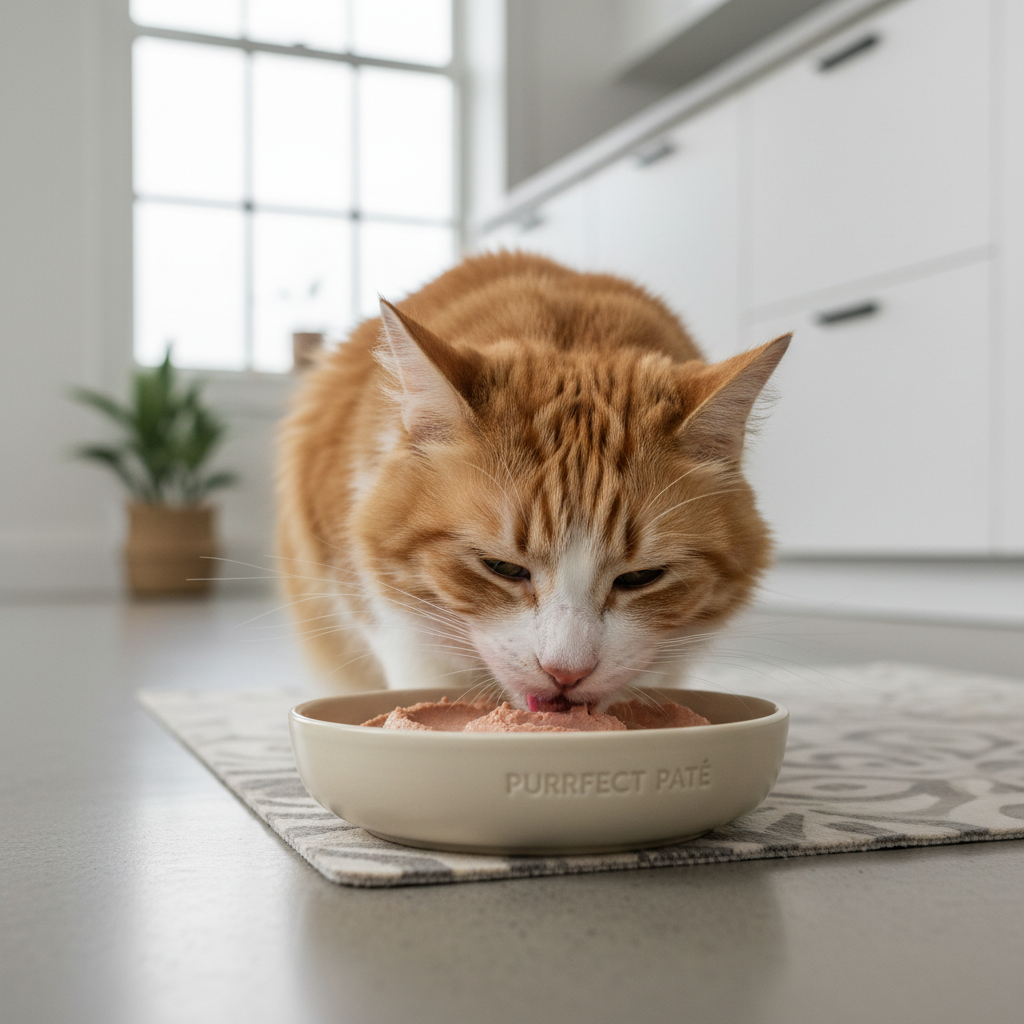
This guide helps you connect the dots between texture, hydration, dental comfort, and appetite, then pick a swallow-friendly option and serve it in a way that makes sense for senior cats. I will also flag situations where “just change the food” is not enough, and you should loop in a veterinarian.
Why pate texture matters more for senior cats than most people think
For many older cats, eating becomes a mechanical problem, not a willpower problem. They may want the calories but struggle with chewing, tongue fatigue, or mouth pain, so food that slides and holds moisture usually wins.
- Dental disease and gum sensitivity: chewing hurts, so they prefer licking. According to the American Veterinary Medical Association (AVMA), dental disease is common in pets and can impact comfort and eating habits.
- Reduced saliva or dry mouth: some cats lick and swallow better when food stays moist instead of drying into crumbs on the tongue.
- Lower thirst drive: wet food supports hydration, which can matter if your cat drinks less than before. According to the Cornell University College of Veterinary Medicine, hydration status is an important piece of overall cat health, and wet diets can contribute more water than dry food.
- Nausea and appetite swings: some cats tolerate small, soft portions better, especially when warmed slightly and served with a bit of water mixed in.
- Texture fatigue: seniors often tire faster mid-meal, so an “easy first bite” texture keeps them eating long enough to finish a reasonable portion.
Quick self-check: is texture the issue, or something else?
Before you chase the perfect senior cat wet food pate texture, it helps to notice the pattern. Texture problems tend to look consistent across brands, while medical discomfort often shows up with other signals.
Signs texture is likely the main barrier
- Your cat licks gravy or “juice” but leaves thicker chunks behind
- They eat more when you mash or add warm water
- They do better with a wide, shallow dish than a deep bowl
- No obvious drooling, pawing at the mouth, or yelps while eating
Signs you should talk to a vet sooner rather than later
- Bad breath, visible tartar, mouth bleeding, or dropping food repeatedly
- Weight loss, vomiting, constipation, or hiding more than usual
- Sudden food refusal lasting more than about a day (especially in cats)
- Increased thirst, frequent urination, or marked lethargy
Because cats can be sensitive to not eating, prolonged appetite loss can become risky. If you are unsure, a quick call to your clinic is usually worth it.
What “easy to swallow pate” actually means (and how to spot it)
“Pate” can range from mousse-like to firm loaf. The easiest versions tend to be high-moisture, finely ground, and soft enough to smear with a spoon without crumbling.
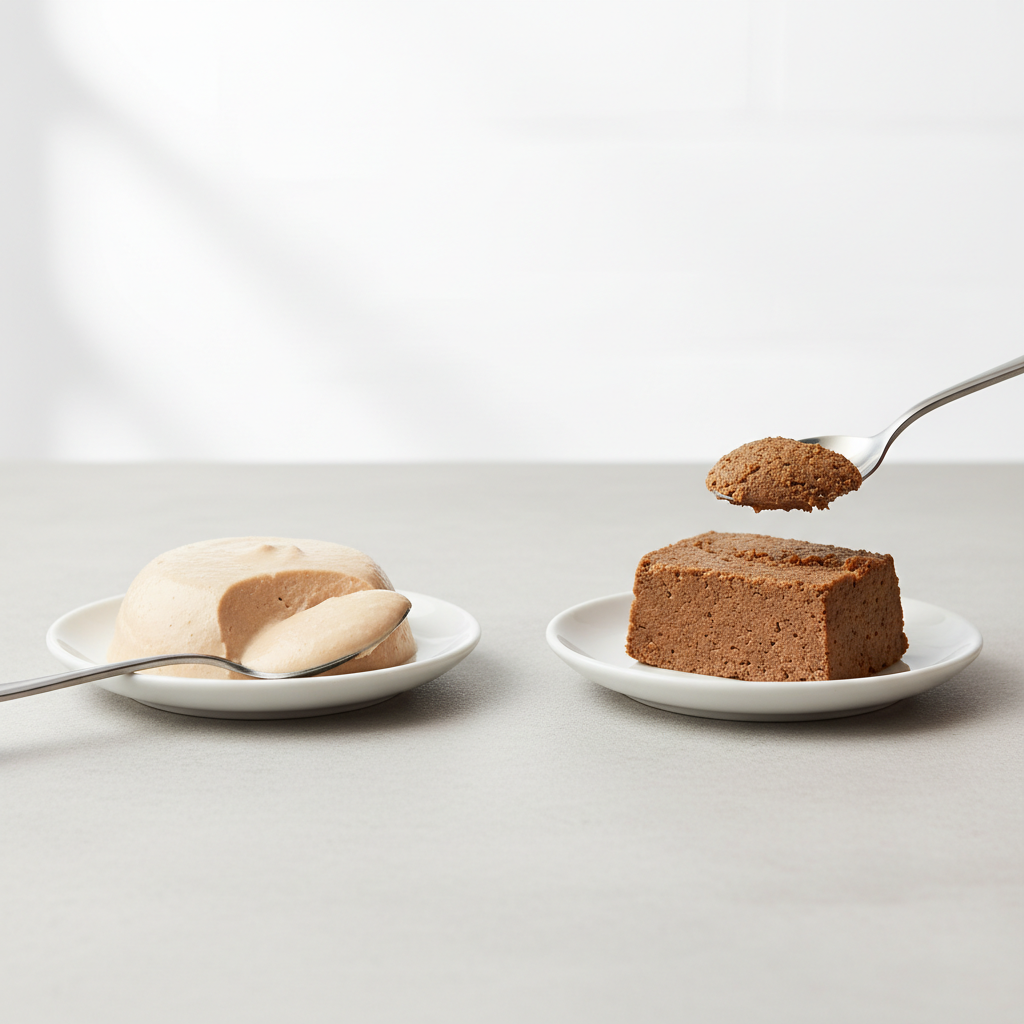
- Smoothness: looks uniform, no visible fibers, “spreads” rather than breaks.
- Moisture retention: stays glossy for a while instead of crusting quickly.
- Low chew requirement: works well even when the cat mainly licks.
- Mixability: accepts water or broth without turning grainy.
If the label says “pate” but it comes out in a rigid cylinder that holds the can shape, it may still be edible, it just may not be the swallow-friendly option your senior needs.
How to choose senior-friendly wet food: a practical table
Nutrition matters, but most people shopping for texture also need a simple way to compare options without getting lost in marketing terms. Use this as a decision filter, then confirm specifics with your veterinarian if your cat has kidney disease, diabetes, or other conditions.
| What to look for | Why it helps seniors | What to avoid (often) |
|---|---|---|
| “Pate” that appears mousse-like or creamy | Easier licking and swallowing, less jaw work | Very firm loaf pate if your cat struggles mid-meal |
| High moisture appearance, not dry or crumbly | Better mouthfeel and hydration support | Food that crusts quickly after serving |
| Moderate aroma, palatable proteins | Encourages seniors with lower appetite | Overly “fishy” options if your cat gets nausea easily |
| Clear feeding guidance and complete-and-balanced claim | Helps meet daily needs without guesswork | “Treat topper” used as a full diet long term |
| Special diet only if prescribed | Matches medical needs (kidney, GI, etc.) | Switching to a therapeutic diet without vet input |
Make pate easier to swallow: simple prep that actually works
Even with the right senior cat wet food pate texture, serving method can decide whether your cat finishes the portion. Most of these tweaks are low-effort and easy to test for a few days.
1) Add warm water, then mash until glossy
- Start with 1–2 teaspoons of warm water, mash with a fork
- Stop when it looks like thick pudding, not soup
- If your cat refuses “watery” food, back down and add less next time
2) Serve on a shallow plate, not a deep bowl
- Shallow dishes reduce whisker stress for many cats
- They also make it easier to lick without burying the face
3) Slight warming for aroma
- Room temp often works better than fridge-cold
- Warm by adding warm water or letting it sit briefly
- Avoid overheating, test with your finger to prevent mouth burns
4) Smaller, more frequent portions
- Seniors often do better with 3–5 mini-meals
- Less time sitting out means less drying and fewer odors
Common mistakes that make seniors eat less (even with good pate)
People often assume “my cat hates wet food,” when the real issue is the way the food changes after it hits the bowl. Soft textures can turn unappealing fast.
- Letting it sit too long: pate dries at the edges, then becomes harder to lick.
- Switching too quickly: abrupt changes can trigger refusal or GI upset in some cats.
- Overusing toppers: strong-smelling toppers can teach cats to hold out for the “good stuff.”
- Ignoring mouth pain: if chewing or licking looks uncomfortable, texture tweaks may not fix the core problem.
- Forgetting calories: thinning with too much water can reduce calories per bite, which matters if your cat already eats small amounts.
When it is time to get professional help
Food texture is a great lever, but it is not a substitute for diagnosis. If your cat is older, small changes can be the first visible sign of a bigger issue.
- Dental exam: if you see drooling, head tilting while eating, or “crunching” only on one side, ask about dental pain and possible treatment.
- Weight trend check: weigh weekly at home if possible, even a small downward trend matters in seniors.
- Bloodwork and urinalysis: appetite and hydration changes can relate to kidney, thyroid, or metabolic conditions, and your veterinarian can advise what makes sense.
- Prescription diets: if your cat has a diagnosed condition, get guidance before changing protein, minerals, or calories.
If your cat stops eating entirely, contact a veterinarian promptly, cats can run into complications when they go too long without food.
Key takeaways (keep this part handy)
- Easy-to-swallow usually means mousse-like, moist, and easy to mash, not just “pate” on the label.
- Small prep changes, warm water mash and shallow plate, often improve intake quickly.
- If refusal pairs with weight loss, mouth pain signs, or vomiting, treat it as a medical question, not a picky-eater phase.
Conclusion: the goal is comfort first, then consistency
If your cat eats better with a smoother senior cat wet food pate texture, that is useful information, it usually points to comfort and swallow efficiency rather than “pickiness.” The practical next step is simple: pick a soft, moist pate, test one serving tweak at a time, and watch both appetite and weight for a couple of weeks.
If you want a low-stress plan, start with a shallow dish and a small warm-water mash, then schedule a dental and senior wellness check if you notice pain signals or continued appetite drop.
FAQ
What is the best pate texture for senior cats that struggle to swallow?
Many seniors do best with a mousse-like pate that smears smoothly and stays moist. If it holds a firm “can shape,” try mashing with warm water to see if your cat eats more comfortably.
How do I thin pate without making it too watery?
Add warm water in teaspoons, mash, then reassess. You want a thick pudding consistency so your cat gets calories without needing to work through a bowl of soup.
My senior cat only licks the liquid and leaves the rest, what should I do?
That pattern often means the solids feel too dense or dry. Try a smoother pate, mash thoroughly, and serve smaller portions so the food does not crust at the edges.
Is pate better than shredded wet food for older cats?
Often, yes, because shredded foods can require more chewing and can separate into pieces that are harder to manage. But some cats prefer fine shreds in extra gravy, so it is worth testing one format change at a time.
Can I feed only wet pate to a senior cat?
Many cats can do well on a wet-only diet if the food is labeled complete and balanced for their life stage. If your cat has kidney disease, diabetes, or other diagnoses, confirm the best option with your veterinarian.
How can I tell if my cat’s eating problem is dental pain?
Common clues include bad breath, drooling, pawing at the mouth, dropping food, or chewing on one side. If you see any of these, a veterinary dental exam is usually the most direct next step.
Should I use broths or toppers to help my senior cat eat?
They can help, especially short term, but keep it simple and avoid turning meals into a “toppers required” routine. Choose cat-safe options and ask your vet if your cat has a medical diet.
If you want a more effortless setup
If you are juggling appetite changes, dental sensitivity, and the day-to-day mess of trial and error, it can help to pick two or three pate styles that match a swallow-friendly texture, then rotate them with a consistent prep routine so your cat gets comfort without constant switching.