
cat litter box enclosure furniture style is basically a litter box “cabinet” that helps hide the mess, cut down on tracked litter, and make your cat’s setup look like it belongs in your home instead of the corner you apologize for.
If you’re debating one, you’re usually juggling three things at once: your cat’s comfort, your nose, and your living room vibe. The tricky part is that a piece can look great online and still be a pain to clean, too small for your cat, or weirdly designed inside.
This guide is meant to help you choose (or set up) an enclosure that actually works day-to-day. I’ll break down common problems, what to measure, which features matter, and where people waste money.
Why people buy litter box furniture (and what it really fixes)
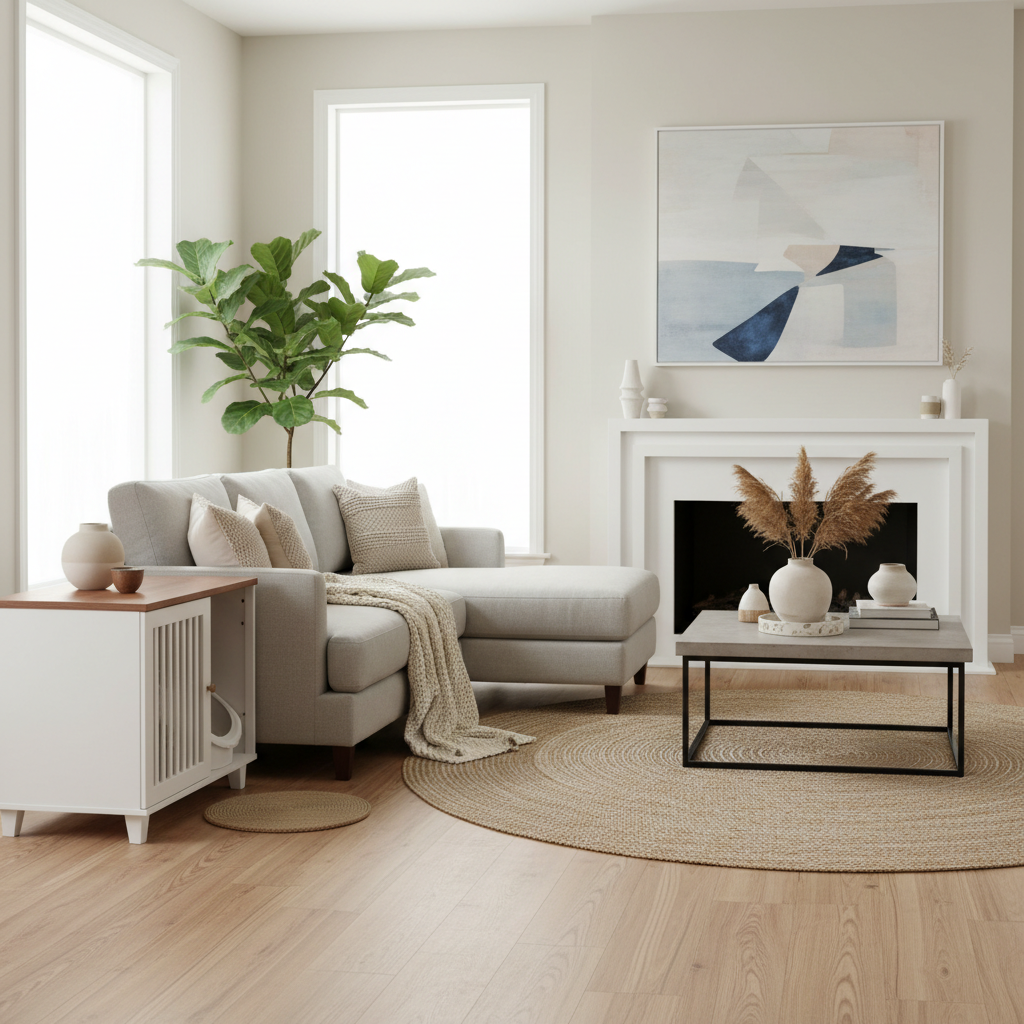
The honest win is visual clutter control: the box disappears, and the area feels intentional. A good enclosure can also help with litter tracking, especially when there’s an internal “turn” or a small entry corridor that knocks granules off paws before your cat exits.
What it doesn’t magically do: eliminate odors on its own. Odor control still depends on litter choice, scooping frequency, airflow, and cleaning habits. In some homes, an enclosure can even trap smell if ventilation is poor.
According to the American Veterinary Medical Association (AVMA), litter boxes should be kept clean and accessible to support good elimination habits, and that’s the standard you should use when evaluating furniture-style options too.
Quick fit check: sizing and layout that won’t annoy your cat
Most bad reviews come down to one issue: the inside is too tight. Your cat needs room to enter, turn, dig, and posture without bumping walls. If the cabinet forces awkward angles, some cats start avoiding it, or they pee high and hit the sides.
What to measure before you buy
- Litter box footprint: length and width of the actual pan you plan to use.
- Turning space: add breathing room on all sides; many households aim for several inches of clearance so the cat doesn’t feel boxed in.
- Door opening: if the door opening is narrow, you’ll hate cleanouts and your cat may hesitate.
- Entry height: older cats or cats with mobility limits may need a lower, easier entry path.
If you’re shopping for a large cat, a high-sided pan, or a top-entry box, you’ll want to double-check interior height too. Some furniture units look roomy but have low internal clearance that makes scooping awkward.
Materials and finishes: what holds up to urine, cleaners, and real life
You’re putting a moisture-and-ammonia situation inside a cabinet. So materials matter more than most people expect.
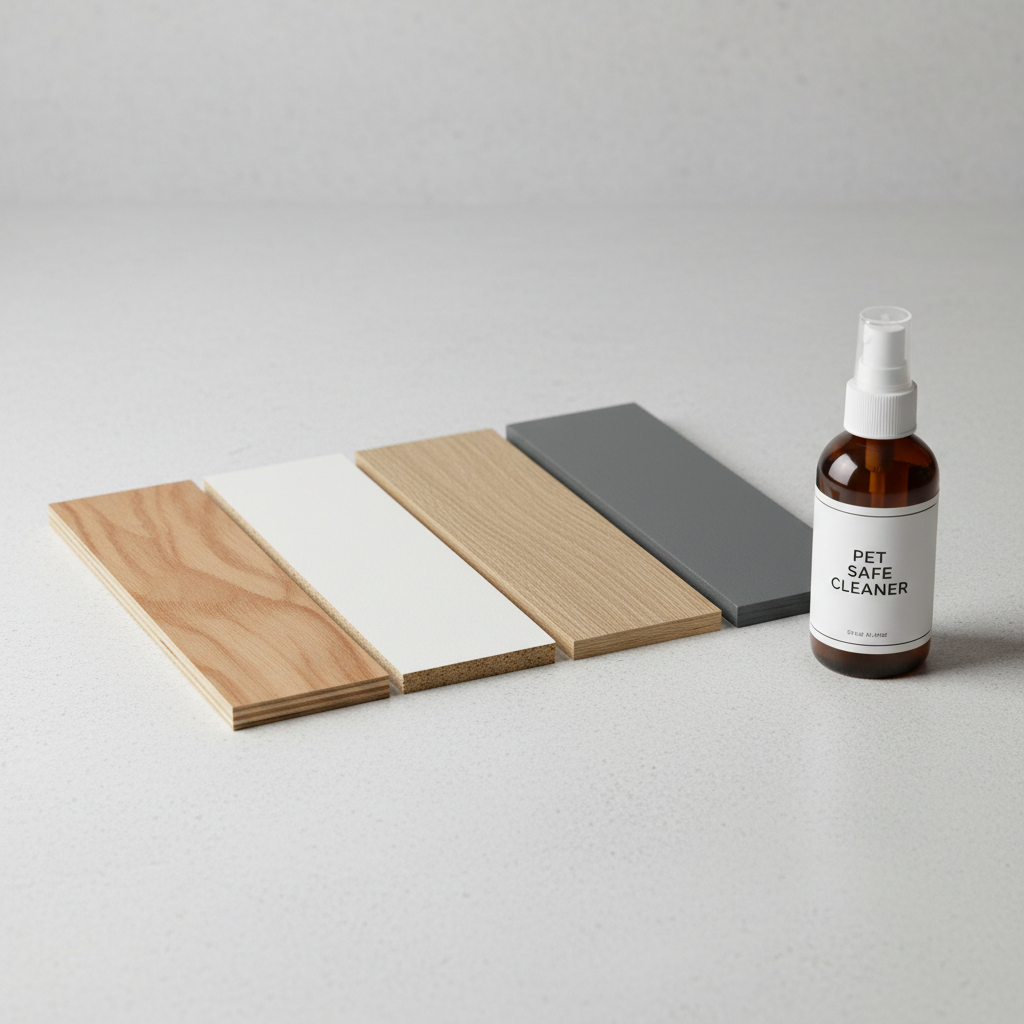
- Sealed wood / plywood: usually sturdier than it looks, and resists swelling if edges are sealed well.
- MDF: common in budget furniture, can swell if urine seeps into seams. Look for well-laminated panels and sealed edges.
- Laminate: easy wipe-down, often a good option for mess control, but check corner seams and cutouts.
- Painted finishes: can look great, but chips around door edges happen; touch-up is possible, yet it’s extra maintenance.
Hardware is a quiet deal-breaker. Hinges that sag make doors rub, and flimsy magnetic catches lead to half-closed doors that trap smell while still looking messy.
Ventilation and odor control: what works inside an enclosure
A furniture cabinet is still a small room. Without airflow, odors build up faster. This is where “cat litter box enclosure furniture style” designs vary a lot: some have cutouts, slats, or back vents, others are basically sealed.
Practical ways to keep it from turning into an odor box
- Choose a design with ventilation: side cutouts, louvered panels, or a vented back panel helps.
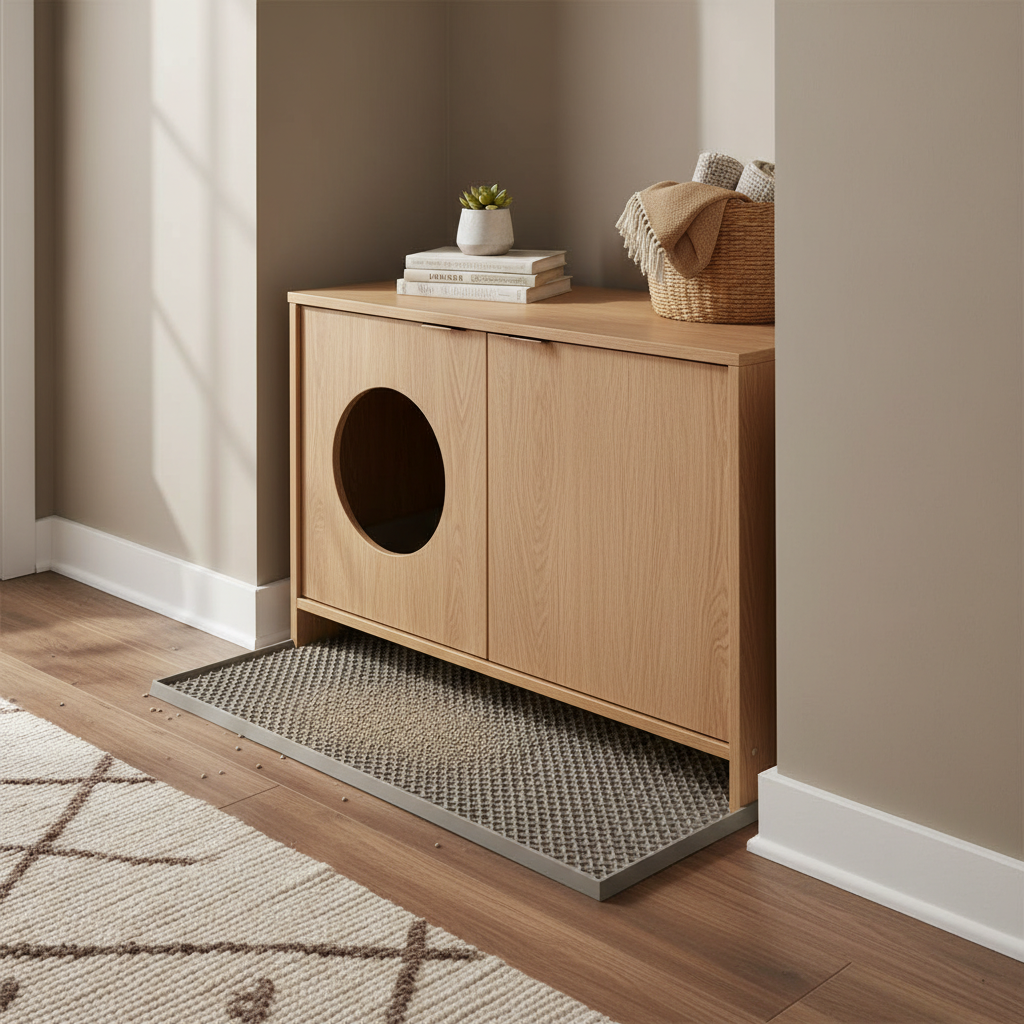
- Use a tracked-litter plan: a mat outside the entry plus an interior turn reduces scatter, which also reduces smell from stray clumps.
- Keep a cleaning routine: scooping daily (or near-daily) matters more than any “odor-proof” claim.
- Consider a charcoal filter: some cabinets include one; it may help, but it won’t replace cleaning.
Health note: if your cat has asthma or respiratory sensitivity, strong deodorizers or heavily scented litter can be irritating in enclosed spaces. If you suspect sensitivity, it’s safer to ask your vet what to avoid.
Cleaning reality: the features that make maintenance easier
If cleaning is annoying, it gets postponed, and then the cabinet becomes the problem. The easiest units are designed for the way people actually clean: pull the pan out, scoop, wipe, and move on.
Look for these “maintenance-friendly” details
- Wide doors or double doors: you can remove the pan without twisting it sideways.
- Removable divider panels: helpful if you need more space for a bigger box.
- Water-resistant base tray: catches leaks and spilled litter, and it’s much easier to sanitize.
- Open back or removable back panel: makes deep cleaning and drying faster.
According to the Centers for Disease Control and Prevention (CDC), basic hygiene around pet waste matters, including washing hands after cleaning and keeping litter boxes away from food prep areas, which is worth keeping in mind when you decide where to place an enclosure.
Choosing the right style for your space: entry options and placement
Style is why you’re here, but placement is where it either feels seamless or becomes an obstacle. Side-entry designs are common because they hide the view of the litter. Front-entry designs can be easier in tight rooms, but can show more mess if the door opens near the entry.
Placement tips that usually reduce mess
- Give the entry side a little “runway” so paws hit the mat before carpet.
- Avoid wedging it into a dead corner where your cat feels trapped, many cats prefer a route in and out without feeling ambushed.
- Keep it away from loud appliances if your cat startles easily.
If you live in a small apartment, a top surface that functions as a console table can be a real win, but don’t load it so heavily that you avoid moving it for deep cleaning.
Comparison table: what to prioritize by household situation
Not every home needs the same features. This is a quick way to decide what to spend money on.
| Household situation | What to prioritize | What to avoid |
|---|---|---|
| Small apartment, litter box near living area | Ventilation, easy-clean interior, strong odor routine | Fully sealed cabinets with tiny vents |
| High litter tracking problem | Side entry with interior corridor, large litter mat | Straight-through entry that dumps litter outside |
| Large cat or multiple cats | Oversized interior, wide doors, sturdy panels | Narrow openings, tight internal dividers |
| Senior cat or mobility issues | Low entry, stable footing, minimal step-ups | High thresholds, slippery interior floors |
| Dog gets into the litter box | Smaller cat-only entry, door latch, strategic placement | Large open entry that invites the dog |
Step-by-step setup: make the transition smoother
Even if your cat is easygoing, switching to an enclosure changes the “feel” of the bathroom spot. Many cats adapt quickly, but some need a gentler transition.
- Start with the same litter and same box: keep variables low, change the container, not everything at once.
- Prop the cabinet door open: for the first days, so it feels less like a trap.
- Keep the entry obvious: don’t block it with decor baskets or furniture legs.
- Watch for hesitation: if your cat sniffs and walks away repeatedly, the space may feel tight or the entry may be awkward.
- Adjust, then reassess: remove a divider, rotate the box, or switch entry side if the design allows.
If your cat stops using the box, pees outside, or seems distressed, it can be behavioral, but it can also be medical. Many urinary issues need prompt attention, so it’s reasonable to consult a veterinarian instead of trying to “train through it.”
Key takeaways before you buy
- Space beats looks: a roomy interior and wide access matter more than a perfect finish.
- Ventilation is not optional if the enclosure sits near high-traffic rooms.
- Cleaning design is the hidden cost: awkward doors and tight corners make maintenance harder than it should be.
- Match the enclosure to your cat: age, size, and habits should drive the decision, not the product photos.
Conclusion: a stylish enclosure is only “worth it” if it stays cat-friendly
A good cat litter box enclosure furniture style piece makes your home feel calmer without making your cat’s routine complicated. If you measure carefully, prioritize airflow, and pick a design you can clean without resentment, it’s one of those purchases that pays off quietly every day.
Your next move is simple: measure your current pan and your cat’s clearance needs, then shortlist cabinets with wide access and visible ventilation. If two options look equally nice, choose the one you can clean faster.
FAQ
Is cat litter box enclosure furniture style safe for cats?
Usually yes if the interior has enough space and ventilation, and your cat can enter and exit without feeling trapped. If your cat shows stress or avoids the box, the setup may need changes, or you may need a different style.
Will an enclosure reduce litter box smell?
It can reduce the “visual” impact and sometimes helps contain scattered litter, but odor control still depends on scooping, litter choice, and airflow. Poorly ventilated cabinets may hold odors in, which feels worse when you open the door.
What size enclosure do I need for a large cat?
Many large cats do better with oversized interiors and wide doors, especially if you use a high-sided pan. If your cat can’t comfortably turn around, it’s effectively too small even if the box technically fits.
Can I use a self-cleaning litter box inside furniture?
Sometimes, but you’ll need to check interior height, power cord routing, and clearance for moving parts. Heat and odor can also build up in tight spaces, so ventilation matters even more.
Where should I place litter box furniture in a small apartment?
A low-traffic corner with an easy escape route often works better than a tight closet-like nook. Keep it away from food prep areas and consider a mat “runway” to reduce tracking onto rugs.
How do I clean litter box furniture without damaging it?
Wipe spills quickly, use mild cleaners, and avoid soaking seams, especially on MDF. If odors persist in the material, you may need to reseal edges or replace removable liners rather than scrubbing aggressively.
My cat won’t use the enclosure—what should I try first?
Open the door wide, keep the same litter and pan, and make the entry easy to find. If refusal continues beyond a short adjustment period or there are signs of discomfort, it’s smart to talk with a veterinarian since urinary issues can look like “behavior.”
If you’re trying to match your decor without turning cleaning into a weekly project, it helps to choose an enclosure based on interior space, door access, and ventilation first, then pick the finish last, that order tends to save money and frustration.