
best kitten collars safe usually means one thing: a collar your kitten can wear without getting stuck, slipping out, or being irritated by hardware that’s too heavy for a small neck. If you’re shopping for 2026, you’ll see more “kitten-specific” options, but the safety basics haven’t changed, breakaway design and correct fit still matter more than color, pattern, or brand hype.
This topic deserves real attention because kittens explore like it’s their job, they squeeze into gaps, climb, and wrestle, and a collar is one more object that can snag. Many collar issues don’t show up on day one either, they show up after fur growth, weight changes, or when a charm starts to rub.
What this guide does: it helps you quickly choose a safer collar type, spot marketing fluff, and build a simple routine to keep your kitten comfortable. You’ll also get a shortlist-style comparison table and a practical fit checklist you can use the same day the collar arrives.
What “safe” really means for a kitten collar
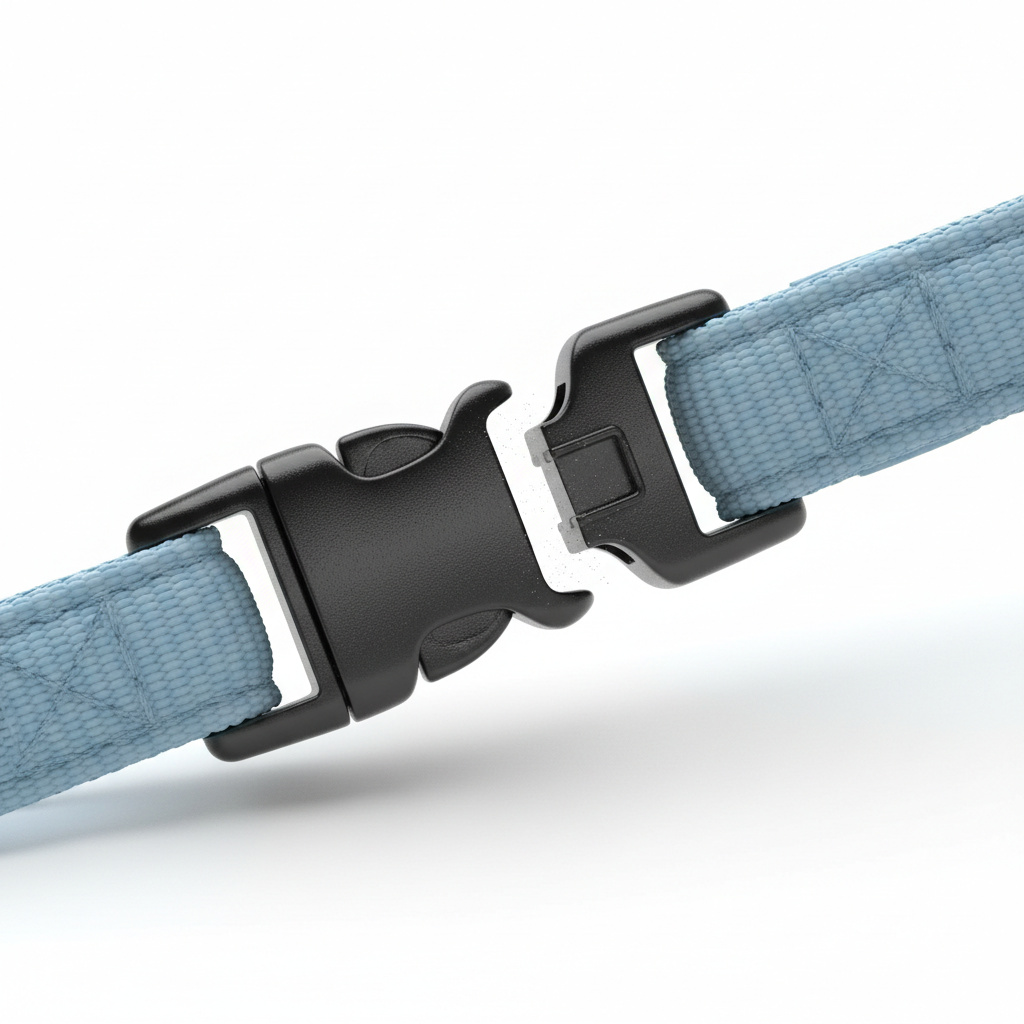
A safe kitten collar is less about being “soft” and more about how it behaves under pressure. For most households, the safest baseline is a breakaway buckle that opens when the collar catches on something, plus a design that stays light and low-profile.
According to the American Veterinary Medical Association (AVMA), collar safety and proper fit are important considerations for pets, and owners should talk with their veterinarian about what’s appropriate for their animal and lifestyle. That’s not a product endorsement, it’s a reminder that risk depends on the kitten and the home environment.
- Breakaway buckle: releases under tension, helps reduce snagging risk
- Quick fit adjustment: kittens grow fast, collars drift from “fine” to “too tight” quickly
- Lightweight hardware: heavy buckles and big tags can twist and rub
- No sharp edges: stitched seams and smooth D-rings matter more than people think
Common risks owners don’t notice until it’s a problem
Most collar “incidents” start as small annoyances. You see the kitten scratching more, the collar rotates under the chin, or the bell keeps tapping the water bowl. Those are early clues that the setup isn’t working.
- Too-loose collars: can catch a paw or slip over the jaw, especially on tiny heads
- Too-tight collars: can irritate skin, mat fur, and in worse cases restrict breathing
- Dangly accessories: big charms and thick tags swing and twist the collar
- Non-breakaway “cat collars”: some look cute but behave like a small dog collar under snag pressure
- Rubbing points: rough stitching or a bulky slider can cause hair loss on the neck
Indoor-only kittens still face risks, chair legs, crate wire, HVAC vents, play tunnels, even sibling cats grabbing a collar during wrestling. Outdoor access adds more snag points and is where breakaway becomes even more important.
Quick self-check: does your kitten even need a collar right now?
Not every kitten needs to wear a collar 24/7, especially during very early acclimation. A reasonable approach is: start with short supervised sessions, then extend time if your kitten seems comfortable and the fit stays stable.
Use this checklist to decide
- Your kitten is at least 8–10 weeks and confident moving around the home
- No signs of neck irritation, scabbing, or constant scratching
- You can keep the collar properly fitted and re-check every few days
- You want ID on the kitten, or you need a bell temporarily for multi-pet introductions
- Your kitten is microchipped or you plan to microchip soon, since collars can be lost
If your kitten is very small, medically fragile, or recovering from a skin issue, it’s worth asking your veterinarian what they recommend. “Safe” is sometimes “wait a bit.”
Best safe kitten collar types in 2026 (and who they fit)
Instead of pretending one collar is perfect for every cat, it’s more honest to match collar type to behavior and household setup. The table below focuses on what tends to matter for best kitten collars safe shopping: release behavior, adjustability range, and how annoying the collar feels to a kitten.
| Type | Why people choose it | What to watch | Good fit for |
|---|---|---|---|
| Breakaway nylon | Light, easy to adjust, widely available | Check release strength; avoid stiff webbing | Most kittens, especially first-time collar wearers |
| Breakaway with reflective strip | Extra visibility in low light | Reflective material can be stiffer, watch rubbing | Door-dashers, dusk porch time, multi-pet homes |
| Soft fabric breakaway | Comfort-forward, often lighter hardware | Fabric can hold moisture; inspect for fraying | Sensitive skin, short indoor sessions |
| Collar with removable bell | Helps you locate the kitten | Bells can stress some cats; remove if irritating | New adopters, homes with small children |
| Harness + ID (no collar) | No neck wear, better control outdoors | Must fit perfectly; escape risk if too loose | Outdoor training, travel, vet visits |
Key takeaways before you buy
- Breakaway beats “cute” for day-to-day safety in many homes
- Look for wide adjustment range so you’re not stuck at the smallest notch
- Keep hardware minimal, kittens don’t need heavy plates or oversized D-rings
How to fit a kitten collar safely (step-by-step)
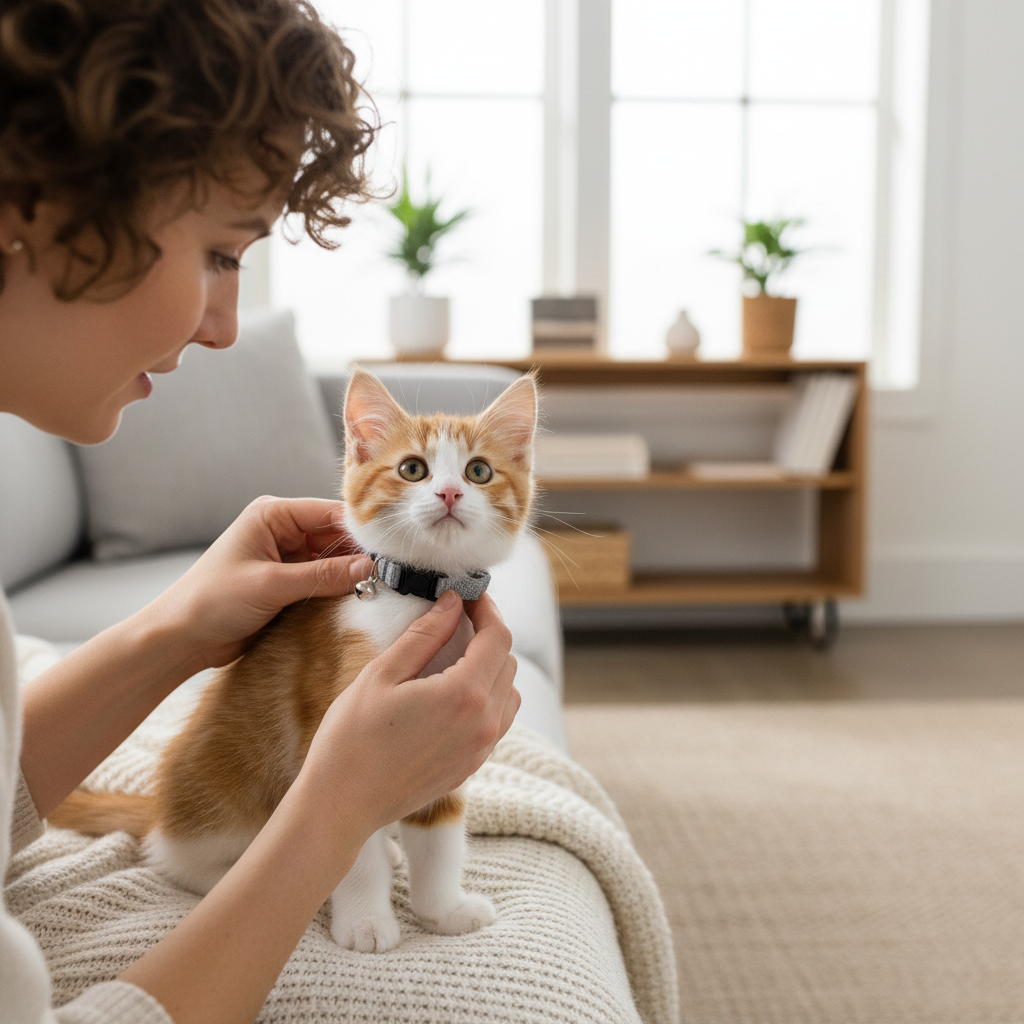
Fit is where most people unintentionally take risks, even when they bought a good product. Do the fitting when your kitten is calm, after play or a meal, and plan to re-check soon, because weight and fluff change fast.
Practical fitting routine
- Start loose, then tighten gradually until you can slide two fingers under the collar
- Rotate the collar gently, if it constantly swings under the chin, it’s often too loose or too heavy
- Remove large accessories, start with collar only, add ID later if all looks good
- Do a quick snag check around your home, watch where your kitten puts its head
- Re-check fit every 2–3 days at first, then weekly once growth slows
If your kitten freezes, rolls, or tries to chew the collar nonstop, don’t force it. Short supervised sessions work better than “they’ll get used to it,” because some kittens really do need a different material or a lighter buckle.
Mistakes that make “safe collars” less safe
Here’s the uncomfortable truth: a good collar can become a bad setup because of one small choice, a heavy tag, an over-tight adjustment, or a buckle that never releases in real life.
- Buying “breakaway” without testing it: you should be able to open it with firm tension, not a heroic pull
- Leaving a kitten collar on during crate time: many rescues advise removing collars when unsupervised in confined spaces, your vet may advise similarly
- Stacking add-ons: bowties, charms, GPS holders, and big tags create leverage and rubbing
- Ignoring hair loss: a thin bald ring can mean friction, moisture, or allergy, swap materials and consult a vet if it persists
- Assuming “cat collar” means kitten-safe: adult-cat sizing and hardware can overwhelm a small kitten
According to the ASPCA, proper identification is important for lost pets, and collars and tags are common tools for that, but they’re not the only tool. In practice, pairing a collar ID with a microchip tends to be a more resilient plan, since collars can break away or be lost.
When to involve a professional (and what to ask)
If you’re stuck between comfort and safety, a veterinarian or a certified cat behavior consultant can usually help you sort the cause fast. This matters more if your kitten has respiratory issues, skin conditions, or extreme anxiety behaviors.
- Persistent coughing, gagging, open-mouth breathing, or panic behavior with the collar on
- Skin redness, scabs, or swelling around the neck that doesn’t improve after removing the collar
- Your kitten keeps getting a paw under the collar, even after refitting
- You need a collar for medical ID, recovery, or supervised outdoor time and aren’t sure what’s safe
Useful questions to bring: “Is my kitten’s neck healthy for collar wear right now,” “Should I prioritize a breakaway or a harness,” and “What fit check schedule makes sense for this age and size.”
Practical buying checklist for 2026 (save this)
If you want a fast filter when shopping online, use this list. It won’t guarantee the perfect pick, but it reduces the chance you end up with something cute and wrong for your kitten.
- Breakaway buckle with a straightforward release mechanism
- Lightweight materials and small hardware sized for kittens
- Wide adjustment range and easy-to-read sizing info
- Comfort details: smooth edges, soft weave, minimal seams at pressure points
- Return policy, because fit and tolerance vary by cat
If a listing leans hard on aesthetics but is vague about safety features, treat that as a signal. For most people searching best kitten collars safe, the most “premium” choice is the one your kitten can wear calmly and you can keep properly fitted.
Conclusion: choose simple, test it, and keep checking fit
A kitten collar doesn’t need to do much, it needs to release when snagged, stay light, and fit correctly as your kitten grows. Pick a breakaway style that feels minimal, introduce it in short sessions, and keep an eye on rubbing and rotation.
If you want one action today, do a two-minute fit check and remove heavy add-ons. If you’re still shopping, prioritize a kitten-sized breakaway collar with a wide adjustment range, then plan your first week of re-checks on the calendar.