
Best pet play mats waterproof options solve one very specific problem: pets spill, drool, scratch, and have accidents, and your floors should not pay the price.
If you have a puppy in potty training, a senior dog with occasional leaks, or a kitten who treats water bowls like a splash park, a “cute mat” is not enough. You want something that blocks moisture, stays put, and wipes clean without smelling weird a week later.
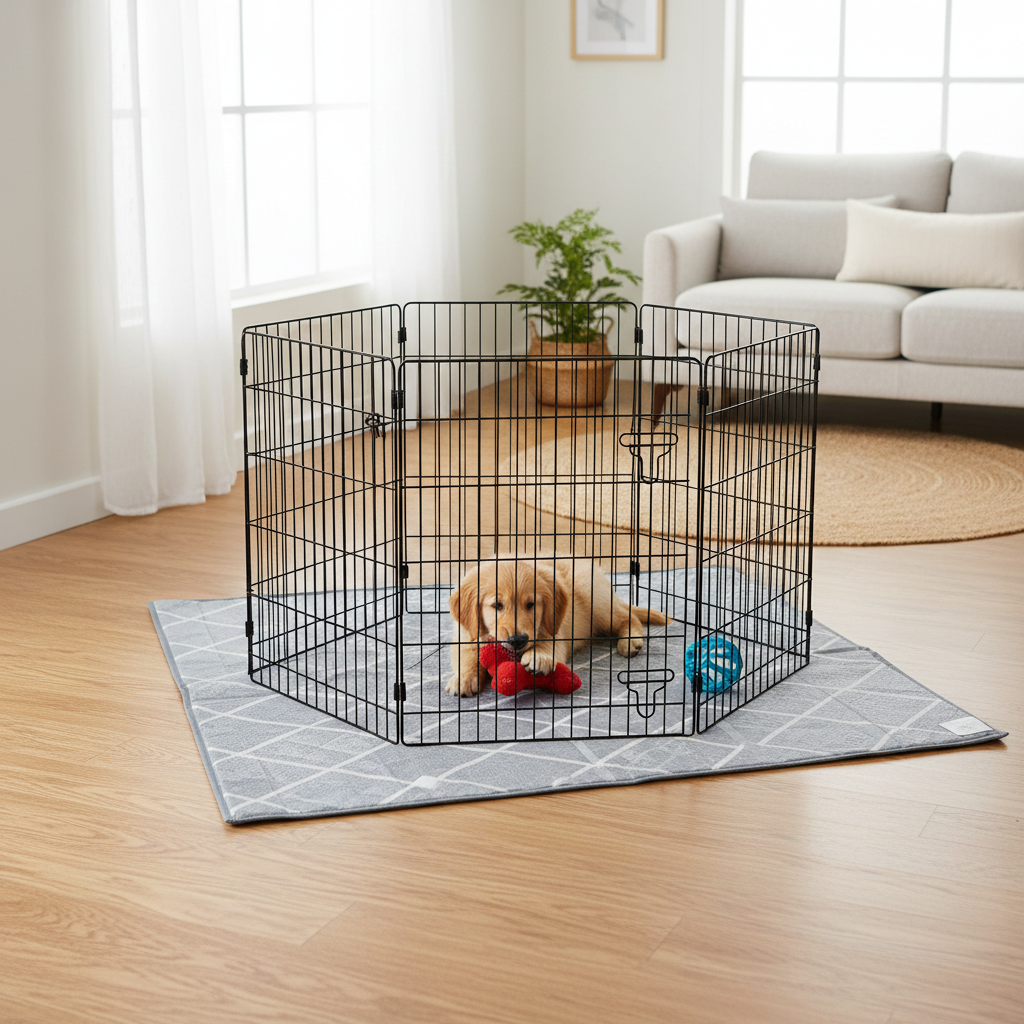
This guide focuses on what actually matters in 2026: leak resistance that holds up over time, safe surfaces for paws, real-world cleanup, and how to choose the right size for your space. No magic claims, just practical buying advice.
What “waterproof” really means for pet play mats
A lot of mats get labeled waterproof when they are only water-resistant. In real homes, that difference shows up fast, usually at 2 a.m. when you’re blotting a corner that wicked into the seams.
- Water-resistant: sheds small spills for a short time, but can absorb or seep through under pressure.
- Waterproof (true barrier): has a non-porous layer that blocks liquid, even with a pet sitting on it.
- Seam behavior matters: stitching, edge binding, and quilting can create leak paths unless sealed well.
According to the U.S. Environmental Protection Agency (EPA), moisture control is a key factor in preventing mold growth indoors, which is one reason many households treat repeated spills and accidents as a “fix the surface” issue, not just a cleaning issue.
Quick comparison table: materials, feel, and best use
Here’s the short version of what you’re trading off. The “best” choice depends on whether you prioritize grip, cushioning, or the fastest cleanup.
| Material / Build | Water barrier | Grip | Comfort | Common best use |
|---|---|---|---|---|
| TPU-laminated fabric (multi-layer) | High | Medium-High | Medium | Playpens, daily messes, apartments |
| PVC/vinyl single-layer | High | Medium | Low | Fast wipe-down, feeding + water stations |
| Silicone mat | High | High | Low | Bowls, small play area, travel |
| Rubber-backed quilted mat | Medium (depends on liner) | High | High | Older dogs, joint comfort, lounging |
| Foam puzzle tiles (with top film) | Medium-High | Medium | High | Indoor play, slipping prevention |
Why mats fail in real homes (and how to avoid it)
Most frustration comes from a few predictable failure points. If you know them, you can spot a “looks good online” mat before it wastes your money.
- Edge leaks: binding and stitched borders can wick liquid underneath. Look for sealed edges or designs that keep seams out of the “wet zone.”
- Bottom skidding: a smooth backing slides on tile or hardwood, especially when pets pounce. A textured rubber or silicone backing usually behaves better.
- Delamination: laminated waterproof layers can separate after repeated hot washing or harsh cleaners.
- Odor retention: some surfaces trap smell if urine sits too long. Quick wipe-down is only half the story; the material should not hold odor easily.
- Wrong size: too small means “misses” happen off-mat. Too large means bunching, tripping, and corners lifting.
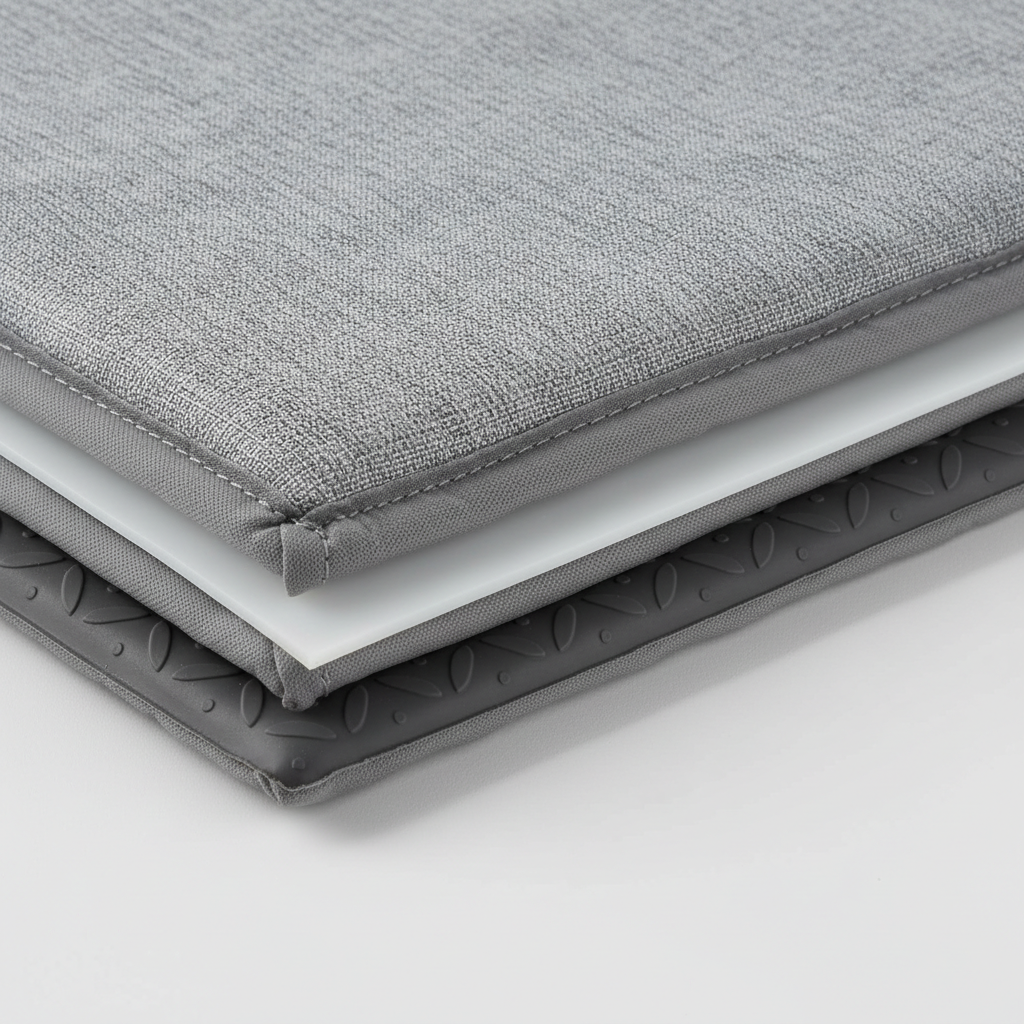
One more thing people miss: “waterproof” doesn’t automatically mean scratch-proof. If you have a digger, you want a tighter weave top layer, fewer stitched channels, and a mat you can rotate without it looking destroyed.
Self-check: which waterproof pet play mat type fits your situation?
If you answer these quickly, your shortlist gets much clearer. Pick the first option that matches your main headache.
- Puppy potty training or accidents: prioritize true barrier layer + easy disinfecting, and size up to catch misses.
- Water bowl splashes and drool: prioritize fast wipe surface (vinyl or silicone) and a raised lip if bowls are involved.
- Hardwood protection: prioritize non-slip backing and a mat that stays flat at corners.
- Senior pet comfort: prioritize cushioning and warmth, but confirm the barrier is internal, not just a sprayed coating.
- Multiple pets: prioritize odor resistance and the ability to clean frequently without the waterproof layer breaking down.
- Travel or crate use: prioritize lightweight, foldable mats with corners that do not curl.
When you’re shopping for the best pet play mats waterproof models, this “use case first” approach is what prevents you from buying a pretty mat that fights your lifestyle.
What to look for in 2026: a practical buying checklist
Product listings can be vague, so it helps to shop with a checklist. These are the features that tend to separate “works for a month” from “still looks fine next season.”
Surface and barrier
- Barrier layer wording: look for terms like TPU membrane, waterproof film, or impermeable liner, not just “water-resistant.”
- Seam strategy: fewer seams in the center, sealed edges, or welded construction often performs better with accidents.
- Texture: a slight texture helps paws grip and reduces skidding during zoomies.
Safety and cleaning
- Low-odor materials: if a mat arrives with a strong smell, airing out may help, but persistent odor can be a red flag.
- Cleaning compatibility: check whether the brand allows enzymatic cleaners, diluted bleach solutions, or only mild soap. That matters for urine accidents.
- Heat limits: hot drying can damage laminated waterproof layers, so care instructions should feel realistic for busy households.
Fit and floor behavior
- Non-slip backing: rubberized dots, silicone, or textured backing typically holds better on smooth floors.
- Corner curl: thicker mats can curl at edges; look for weighted corners or a design that lays flat.
- Right dimensions: measure the playpen footprint, then add margin where accidents usually land.
According to the American Kennel Club (AKC), consistent house training routines help reduce accidents, but in the meantime, floor protection reduces stress and makes consistency easier to maintain.
How to set it up so it actually stays waterproof (and your pet uses it)
Even the best pet play mats waterproof picks can underperform if setup is sloppy. Two small tweaks usually fix most complaints.
Step-by-step setup
- Start with a clean, dry floor: grit under the mat can create wear points and makes slipping more likely.
- Flatten it fully: if it arrives folded, give it time to relax, or use gentle weights at corners.
- Anchor the edges: for high-energy pets, consider playpen panels placed on top of the mat edge, or removable rug tape that is floor-safe.
- Create a “wet zone”: put bowls and lick mats on the easiest-to-wipe section, not over stitched channels.
- Rotate weekly: rotating spreads wear, especially if your pet has one favorite corner.
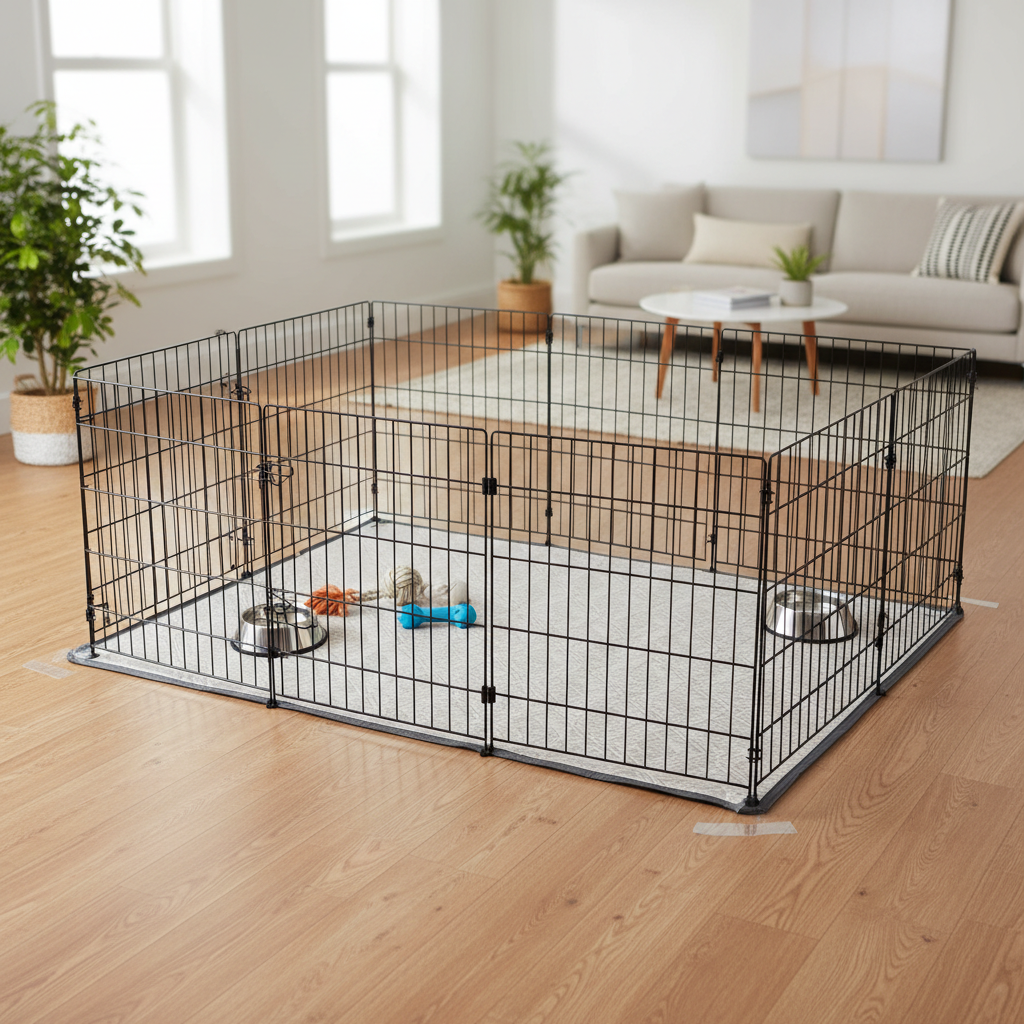
If your pet avoids the mat, the surface may feel slippery or noisy. In many homes, a slightly textured top or a thinner mat with better grip gets used more than a plush option that slides.
Cleaning and odor control without ruining the waterproof layer
The goal is to remove the mess fast, then clean in a way that doesn’t break the barrier. Over-scrubbing and high heat are where many mats die early.
Everyday wipe-down (spills, drool, muddy paws)
- Pick up solids, blot liquids, then wipe with warm water and mild soap.
- Dry the surface fully, especially along edges and seams.
Accidents (urine, vomit)
- Blot first, don’t rub it in.
- Use an enzymatic cleaner if the brand allows it, enzymes help break down odor compounds.
- Rinse lightly and dry completely, trapped moisture can cause lingering smells.
For strong or repeated odor issues, it may help to consult a veterinarian, since frequent accidents can relate to training, diet, stress, or medical problems. The mat protects the floor, it won’t solve the underlying cause.
Key takeaways and a realistic conclusion
If you want a purchase that feels like relief, prioritize a true waterproof barrier, sealed or smart seam placement, and a backing that grips your actual floor. Comfort matters, but not at the expense of leaks or sliding.
- Choose by mess type: potty accidents need barrier + seam control, splash zones need fast wipe surfaces.
- Size up: most “leaks” are just misses that landed off-mat.
- Clean gently, dry fully: this preserves the waterproof layer and reduces odor buildup.
Action step: measure your play area today, then shop with the checklist above, you’ll spot the right best pet play mats waterproof option much faster, and avoid the common traps.
FAQ
What size waterproof pet play mat should I buy for a playpen?
Match the pen footprint, then add extra coverage on the side where your pet tends to potty or tip bowls. In real homes, that margin is what keeps hardwood and baseboards safe.
Are machine-washable mats always better than wipe-clean mats?
Not always. Machine washing is convenient, but repeated hot cycles can wear laminated barriers. If your main issue is water splashes, a wipe-clean surface often stays nicer longer.
Do quilted waterproof mats leak through stitching?
They can, depending on how the mat is built. Quilting creates needle holes, so you want an internal waterproof liner and edge construction that doesn’t wick liquid underneath.
Is a silicone mat enough for puppy accidents?
For small areas, maybe, but many silicone mats are sized more for feeding stations. For potty training, you usually want larger coverage and better comfort for playtime.
How do I stop a pet play mat from sliding on tile?
Start with a non-slip backing, then anchor edges with a playpen frame or floor-safe tape. Also keep the underside clean, dust can reduce friction.
What’s the difference between waterproof and absorbent “pee pads”?
Pee pads absorb liquid and are meant to be replaced. A waterproof play mat blocks liquid from reaching the floor and is designed for repeated cleaning.
Can waterproof mats cause paw slipping?
Some smooth-top mats can. If your pet slips, look for a lightly textured surface or a mat marketed for traction, and confirm it lays flat without wrinkles.
If you’re trying to choose between a few mats and want a more “no regrets” shortlist, focus on your top mess source, your floor type, and how often you realistically clean, that combination usually makes the right pick obvious.