
Best dog car seats for small dogs usually come down to three things you can feel on the first drive: stable positioning, a secure tether that works with a harness, and a size that matches your dog’s body, not the marketing label on the box.
If you’ve ever watched a small dog slide across the seat on a turn, or try to climb into your lap at a red light, you already know why this matters. A good car seat isn’t just “cute,” it reduces distraction and helps your dog settle, especially on longer trips.
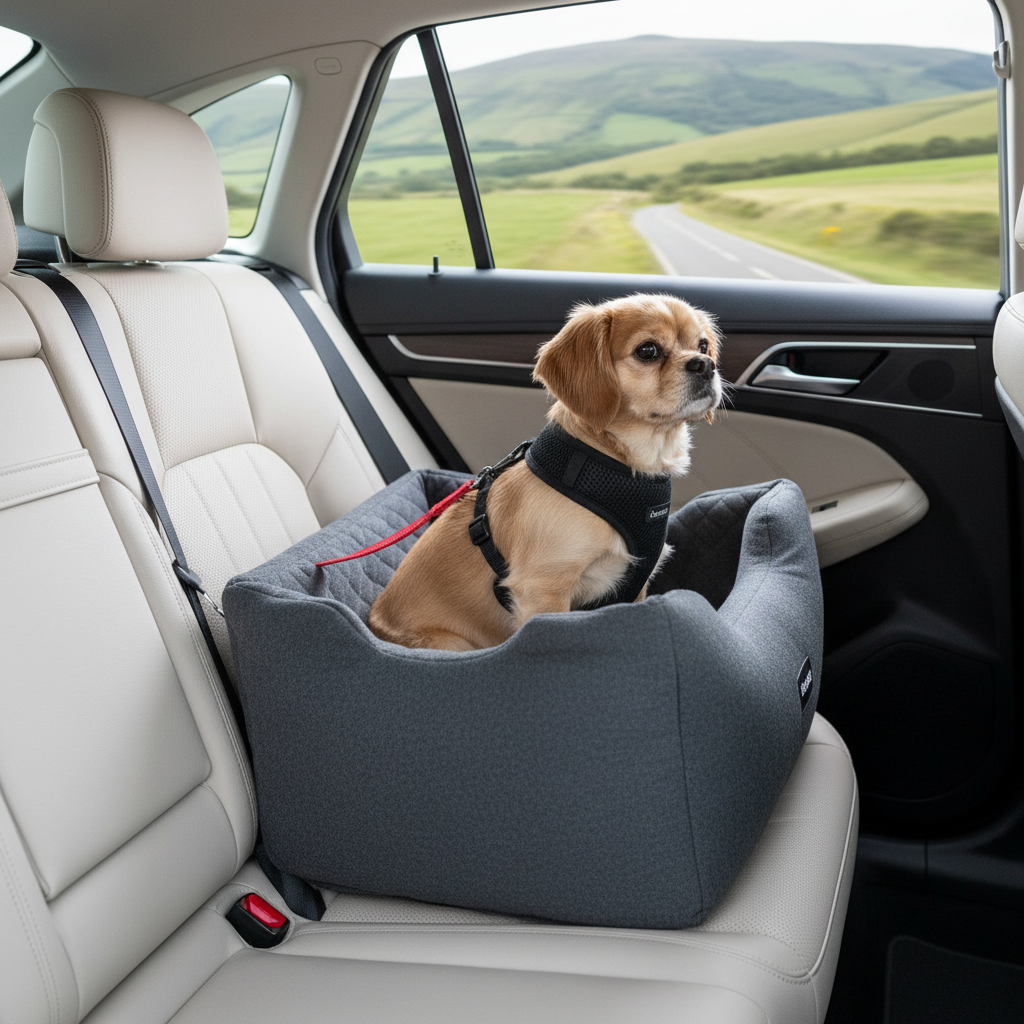
This guide focuses on what actually changes the ride: the right seat style for your dog’s size and anxiety level, the features that prevent tipping, and the setup details people skip. You’ll also get a quick comparison table and a shortlist by scenario so you can buy with fewer regrets.
Quick picks: matching seat type to your dog and car
Before brands and price points, pick a seat style. Most options fall into a few buckets, and each solves a different problem.
- Booster seat: elevates small dogs so they can see out the window, often helps motion anxiety, best for dogs under the listed weight limit who sit or lie down.
- Console seat: sits between front seats, works for “must be close to me” dogs, but not ideal if airbags or console shape create awkward fit.
- Seat-belted bucket/box: a deeper box that sits on the seat, tends to feel more “nest-like,” often more stable than soft boosters.
- Car crate/carrier: best for higher-anxiety dogs, frequent travel, or dogs who need a more enclosed space; can be safer when properly restrained, but takes more room.
What to look for (and what to ignore) when shopping
Product pages can feel like a wall of features, but a few details predict whether the seat stays put and whether your dog stays secure.
Non-negotiables for safety and stability
- Harness-compatible tether: the tether should clip to a back-clip harness, not a collar. According to the American Veterinary Medical Association (AVMA), pets should be properly restrained in vehicles to reduce driver distraction and help protect both people and animals.
- Two-point anchoring when possible: seats that anchor with both a seat belt and a headrest strap (or additional strap points) tend to tip less on turns.
- Structured base: a firm bottom panel or internal frame usually prevents the “hammock slump” that makes dogs slide.
- Washable liner: not glamorous, but it keeps the seat usable after muddy paws or motion sickness.
Nice-to-haves that matter in real life
- Side bolsters for leaning and sleeping on longer drives
- Shorter, adjustable tether to limit climbing while still allowing a comfortable sit/lie
- Built-in storage for poop bags and a small towel, surprisingly useful
What I’d personally de-prioritize: “luxury fabrics” that can’t be machine-washed, and overly tall designs that block your rear-view if you drive a smaller car.
Comparison table: choose based on your situation
Use this table as a filter. After you pick a category, you can compare specific products more rationally.
| Seat option | Best for | Pros | Tradeoffs |
|---|---|---|---|
| Booster seat | Dogs who like looking out, mild anxiety | Better visibility, often calming, easy to install | Some models tip if under-anchored |
| Console seat | Velcro dogs, short commutes | Close to driver, less barking for some | Fit varies by car, can interfere with shifting/storage |
| Deep bucket/box seat | Dogs who curl up, frequent turns/stop-and-go | More “contained,” often stable | Less window view, can feel tight for long-backed dogs |
| Crash-tested travel crate (when properly secured) | High anxiety, longer trips, multi-dog travel | Enclosed, predictable space, reduces roaming | Takes space, higher cost, needs correct tie-down |
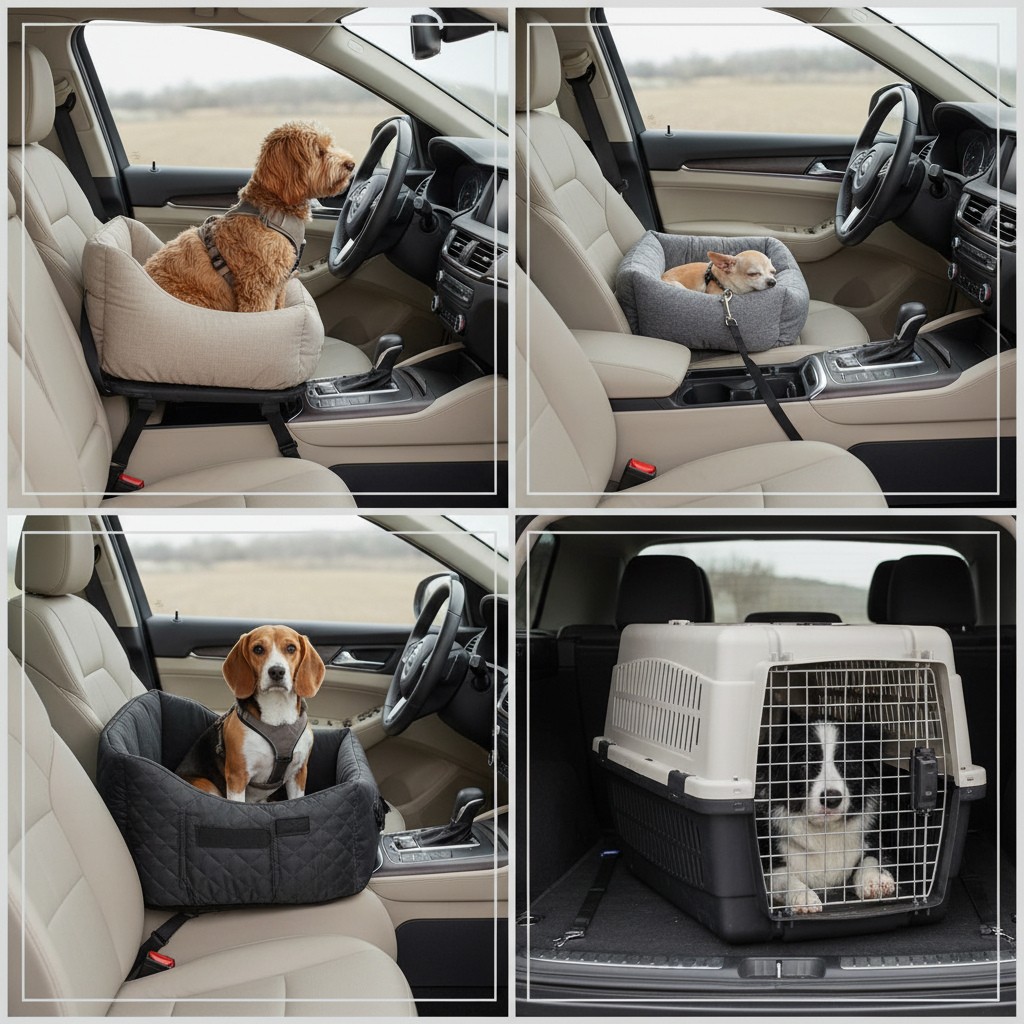
Self-check: are you buying the right size and fit?
A lot of “this seat is terrible” reviews are really “this seat is the wrong size for this dog or car.” Quick checks help.
- Measure your dog sitting: height to shoulder and length from chest to rump matter more than weight alone.
- Check your seat slope: some car seats angle downward; a flimsy base will tip forward even if it’s “rated” for your dog.
- Harness ring position: if your harness attachment point sits very high, some tethers pull awkwardly and make dogs fight the restraint.
- Your dog’s behavior: if your dog paws, spins, or tries to jump, pick deeper sides or a more enclosed option.
If you’re between sizes, many cases favor the roomier option, but not if it encourages pacing. For anxious riders, snug and supported usually beats “lots of space.”
Setup steps that make a bigger difference than the brand
Even the best dog car seats for small dogs can feel unstable if installed loosely or paired with the wrong restraint. This is the part most people rush.
Step-by-step installation checklist
- Place it in the back seat when possible; it’s generally preferred over the front passenger area because of airbags and distraction risk.
- Thread the seat belt exactly as the manual shows, then lock the belt (many cars have a lock mode) so it can’t feed slack.
- Tighten headrest straps until the seat back stops wobbling.
- Clip tether to a harness, then adjust so your dog can sit and lie down, but can’t climb out.
- Do a “two-hand shake” test: grip the seat and try to rock it side to side, if it shifts easily, tighten again or change anchoring points.
Comfort add-ons that reduce fussing
- A thin, non-slip pad under the seat (if it doesn’t interfere with straps)
- A familiar blanket that smells like home
- Short practice rides, then gradually longer trips
According to the Centers for Disease Control and Prevention (CDC), wearing a seat belt reduces the risk of serious injury in a crash for vehicle occupants. Pets aren’t the same as people, but the principle is still useful: controlled movement beats free movement.
Common mistakes (these show up in “help, my dog hates it” situations)
- Clipping to a collar: it can increase neck injury risk in a sudden stop. A properly fitted harness is the usual recommendation.
- Tether too long: dogs end up half out of the seat, then panic or try to jump, shortening it often fixes the problem.
- Seat faces the wrong direction: some boosters work better when aligned so the dog’s body has side support on turns.
- Ignoring car sickness: if drooling and vomiting happen regularly, it may not be the seat. Your veterinarian can advise on motion sickness management.
Also, if your dog only “acts up” on highways, don’t assume it’s training failure. Noise, vibration, and visual flow can trigger stress; changing seat height or moving the seat position can help more than scolding.
When a dog car seat isn’t enough
There are situations where you may want to move beyond a soft seat, even if it’s marketed as premium.
- Extreme anxiety or panic: a secured travel crate plus gradual desensitization often works better than a booster.
- Medical or orthopedic issues: dogs with pain or mobility limitations might need a flatter, more supportive surface; a vet or rehab professional can help you choose.
- Frequent long-distance travel: you may prefer solutions designed for repeat loading, easy cleaning, and predictable restraint.
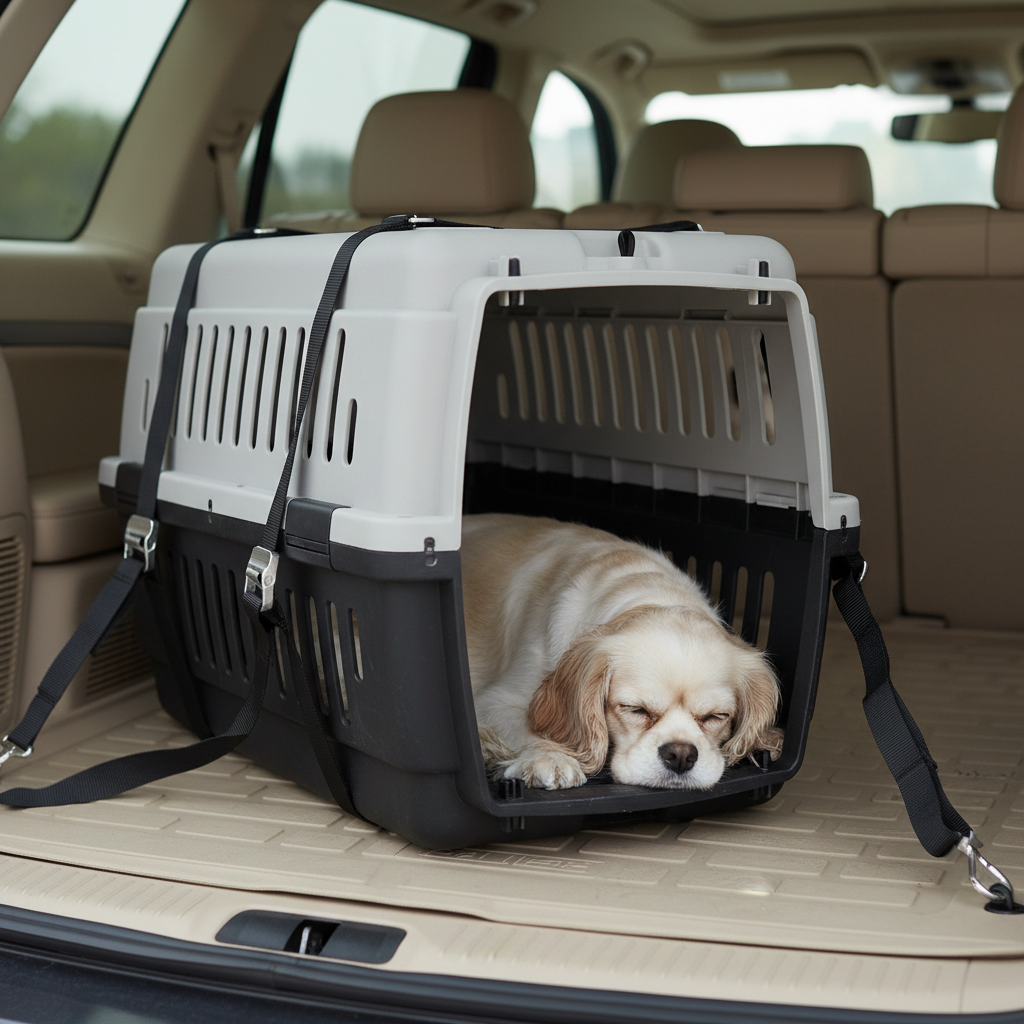
According to the American Kennel Club (AKC), dogs should ride secured with a crash-tested harness, travel crate, or other restraint to help prevent injury and driver distraction. “Crash-tested” claims vary by product and test protocol, so it’s worth reading what standard a company references, not just the badge.
Conclusion: what to buy for 2026, in plain terms
If your dog likes seeing out the window and settles when elevated, a stable booster with a harness tether is usually the easiest win. If your dog spins, scrambles, or gets overwhelmed, you’ll often get a better result from a deeper bucket seat or a properly secured travel crate, even if it feels less “fun.”
Key takeaways: prioritize a harness-compatible tether, solid anchoring, and a size that matches your dog’s seated measurements, then spend five extra minutes tightening and adjusting. If you do one thing today, do a shake test and shorten the tether to a safe, comfortable length.
If you want, tell me your dog’s weight, seated height, and what car you drive, then I can narrow the options to the most realistic seat type for your setup.