
Pet safe plants for home sound simple until your cat starts nibbling, your dog digs the pot, and you realize “non-toxic” still has a few caveats. The good news, there are plenty of attractive houseplants that are widely considered lower-risk for most pets, and with a little setup they can actually be easier to live with than the usual big-box favorites.
This topic matters because plant toxicity is not rare in real households, pets explore with their mouths, and owners often get mixed messages from plant labels, social posts, and even well-meaning store staff. On top of that, a plant can be “non-toxic” yet still cause mild stomach upset, and that detail gets lost.
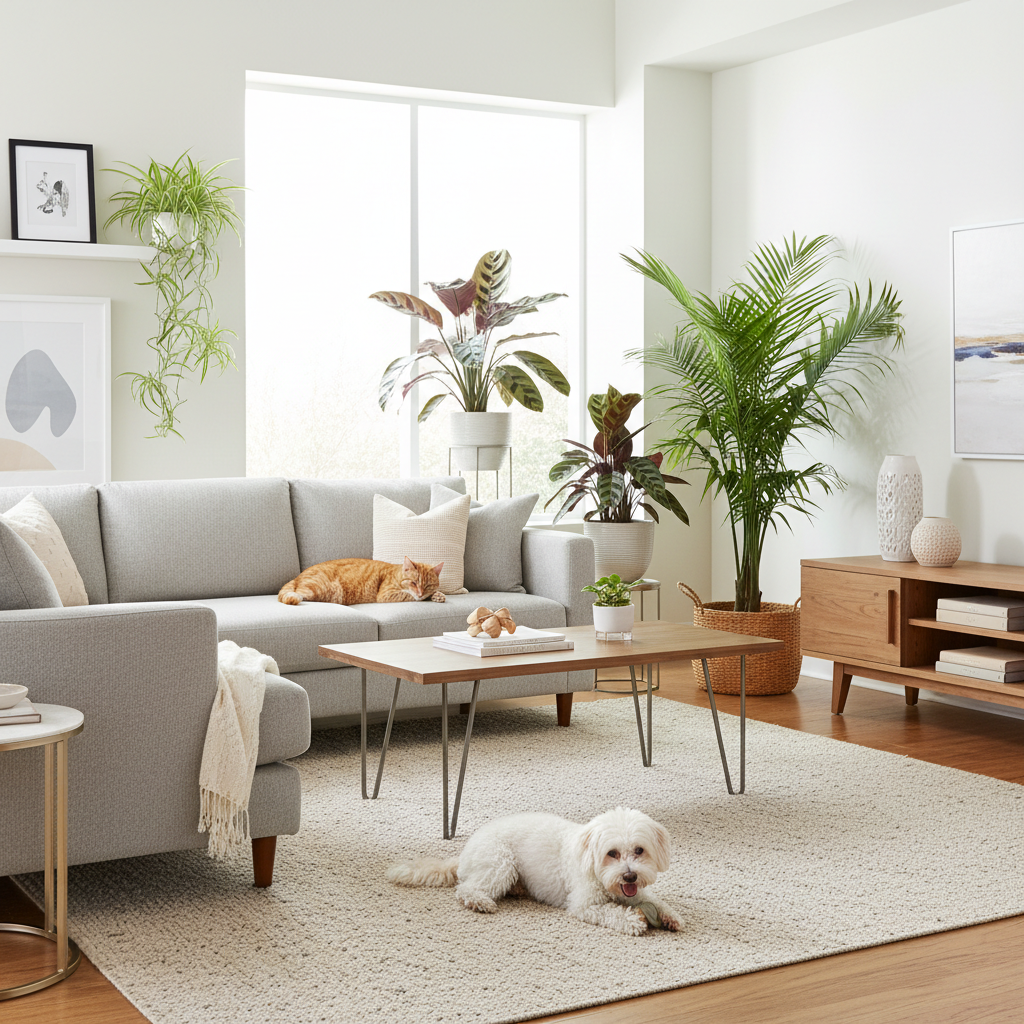
Below is a practical, editor-style shortlist, plus a quick way to sanity-check any new purchase, placement tips that prevent most “incidents,” and what to do if you suspect your pet chewed something. If you only want one takeaway, treat plant safety as a system, not a single label.
What “pet-safe” really means (and what it doesn’t)
In day-to-day use, “pet-safe” usually means the plant is not known to cause serious poisoning in cats or dogs. It does not mean your pet can eat it like salad. Even commonly recommended options may trigger drooling, vomiting, or soft stool if a pet eats a lot of leaves.
According to the ASPCA Animal Poison Control Center, many common houseplants are toxic to pets, and symptoms can vary by species and the amount ingested. That’s why a “safe list” should still be paired with realistic guardrails.
- Non-toxic: Not expected to cause significant toxicity, though mild GI irritation can still happen.
- Toxic: Can cause more serious symptoms and may warrant urgent veterinary guidance.
- Unknown: New cultivars, uncommon plants, or mislabeled varieties, treat these cautiously.
Common reasons pets chew plants (so you can prevent it)
Most chewing isn’t “bad behavior,” it’s normal curiosity plus opportunity. If you understand why it happens, choosing pet safe plants for home becomes easier because you’re also reducing the odds your pet tries them.
- Boredom or stress: Indoor cats, high-energy dogs, new environments.
- Texture and movement: Grassy blades, trailing vines, dangling fronds are irresistible.
- Digestive discomfort: Some pets seek fiber, especially cats that like grass-like plants.
- Soil attraction: Fertilizer smell, moist soil, or fungus gnats can turn pots into toys.
One more thing people miss, the plant itself isn’t always the problem. Potting mix, pesticides, leaf shine products, and certain fertilizers can be the bigger risk if a pet licks or digs.
Quick self-check: are you a “low-risk” plant household?
If you want pet safe plants for home without turning your living room into a fortress, check your situation first. This keeps expectations realistic.
- Your pet rarely chews cords, rugs, or cardboard, and doesn’t obsess over greenery
- You can place plants off the floor (shelves, tall stands, hanging planters)
- You’re willing to skip strong chemical treatments indoors
- You notice changes fast, vomiting, lethargy, unusual drooling
If you answered “no” to most of these, you can still keep plants, but you’ll do better with sturdier picks, fewer trailing leaves, and more physical separation.
A practical list of pet-safe houseplants (with notes)
There’s no perfect list for every pet, but these are commonly cited as non-toxic for cats and dogs. Still, confirm each plant on a reputable database before buying because common names get messy.
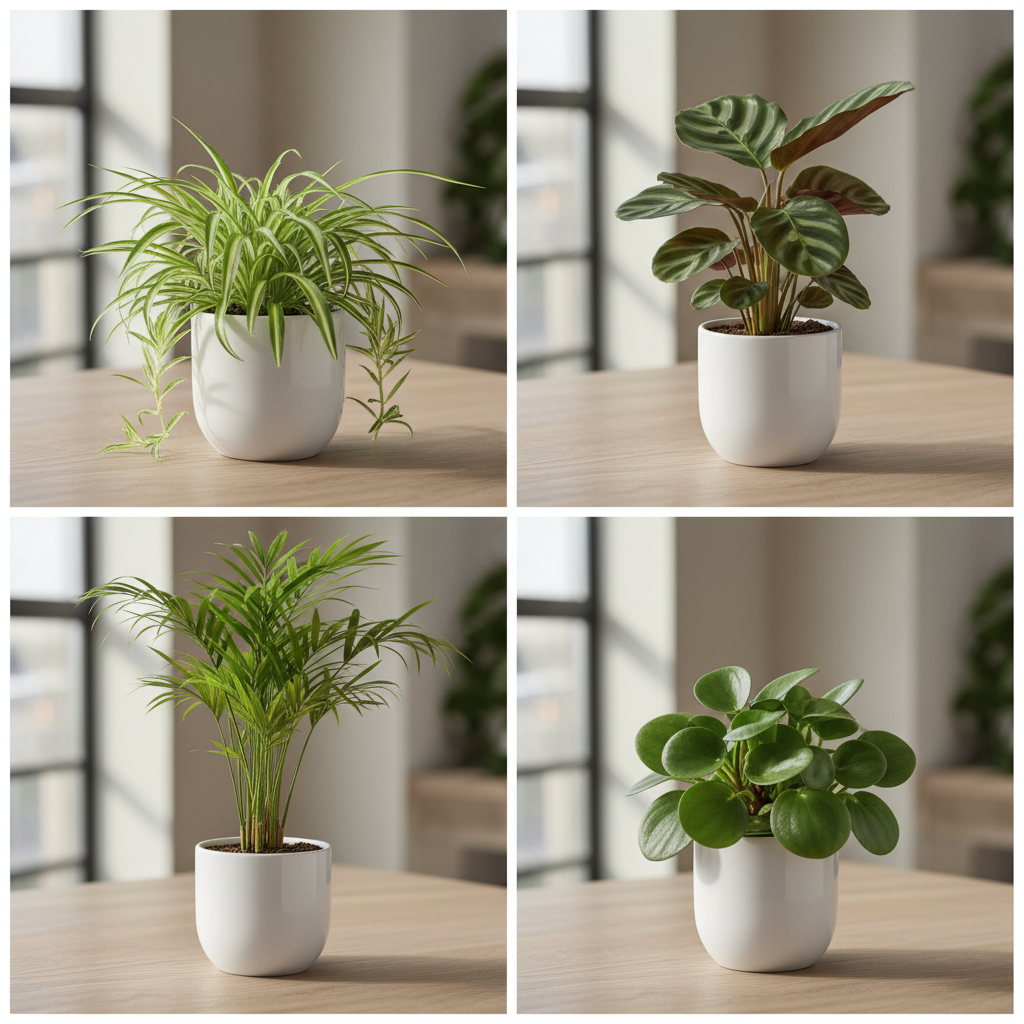
Shortlist (common “safer” options)
- Spider plant (Chlorophytum comosum): Hardy, good for beginners, cats may find it tempting because of grassy leaves.
- Calathea varieties: Pet-friendly reputation, likes consistent moisture and lower direct sun.
- Prayer plant (Maranta leuconeura): Similar care to calathea, great foliage.
- Parlor palm (Chamaedorea elegans): Classic “green corner” plant, generally easier than larger palms.
- Peperomia varieties: Compact, many textures, good shelf plants.
- Polka dot plant (Hypoestes phyllostachya): Colorful, can get leggy, pinch for shape.
- Orchids (many common indoor orchids): Often listed as non-toxic; watch stakes, clips, and moss packing.
Table: safer picks, placement, and “gotchas”
| Plant | Why people like it | Best placement for pets | Common issue to plan for |
|---|---|---|---|
| Spider plant | Fast growth, forgiving | High shelf or hanging basket | Cats may chew leaves, mild GI upset possible |
| Calathea | Striking patterns | Plant stand away from “launch points” | Fussy with dry air, leaf edges can brown |
| Parlor palm | Soft, lush look | Corner with indirect light | Overwatering causes decline, fungus gnats attract pets |
| Peperomia | Compact, many varieties | Bookshelf, windowsill with filtered light | Overwatering is the usual killer |
| Orchid | Blooms, clean silhouette | Countertop out of reach | Pets may play with stakes, clips, moss |
How to verify a plant before you buy (labels can be wrong)
The quickest way to avoid trouble is to verify the botanical name, not just the tag that says “pet friendly.” According to the ASPCA Animal Poison Control Center, toxicity listings are organized by species, and common names can overlap across multiple plants.
- Ask for or look up the Latin name on the pot label or product page
- Cross-check on a reputable source like the ASPCA toxic/non-toxic plant database
- If you’re buying a cutting or swap plant, request a photo and confirm ID first
- When uncertain, treat it as “unknown” and keep it out of reach until confirmed
This is also where many people get tripped up: “palm” is not one plant. Some palms are commonly listed as non-toxic, others are not, and retailers may use “palm” as a vibe, not an ID.
Set up your home so plants stay safe (and survive)
Choosing pet safe plants for home is half the job, the other half is making chewing and digging inconvenient. You don’t need a complicated system, just a few defaults.
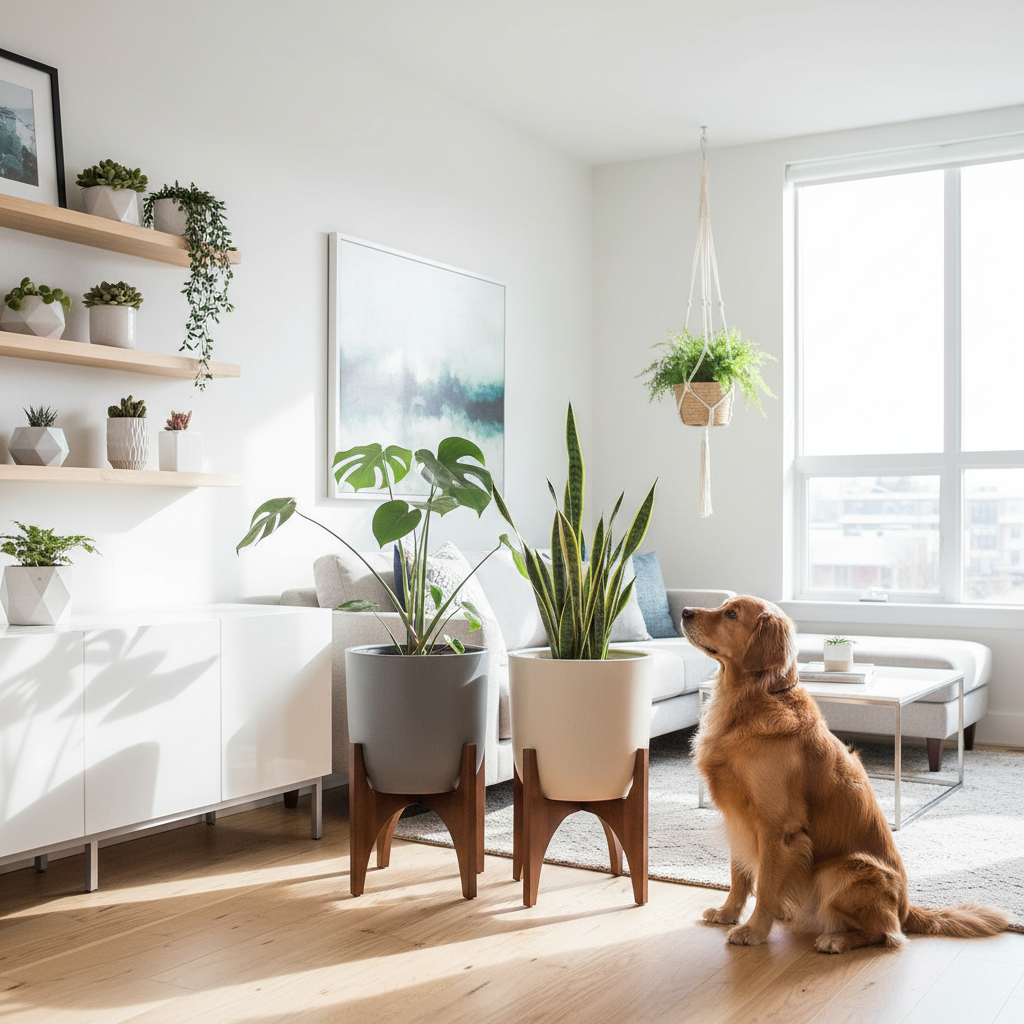
- Go vertical: Wall shelves, tall stands, hanging planters, especially for trailing plants.
- Pick heavier pots: Lightweight nursery pots tip easily, which turns into soil everywhere.
- Cover the soil: Decorative stones (too large to swallow), mesh covers, or a top layer that discourages digging.
- Skip strong chemicals indoors: If you must treat pests, consider pet separation and follow the product label carefully.
- Create a “yes” option: Some pets do better if they have their own safe grass alternative, ask your veterinarian if that fits your pet.
If your pet chews a plant: what to do right away
Don’t panic, but don’t wait and see for hours either. If you suspect chewing, remove plant access, look for the plant tag or take a photo, and note the time and estimated amount eaten.
- Check for immediate symptoms: drooling, pawing at mouth, vomiting, diarrhea, lethargy
- Rinse the mouth gently with water if there’s visible residue, only if your pet tolerates it
- Call a professional for guidance, especially if symptoms appear or the plant ID is uncertain
According to the American Veterinary Medical Association (AVMA), contacting your veterinarian promptly when you suspect poisoning is a safer move than trying home remedies. If you’re in the U.S., you can also consider contacting a pet poison hotline for triage support, fees may apply.
Common mistakes that quietly increase risk
A lot of “safe plant” content fails in real homes because it ignores the boring details. These are the ones that tend to matter.
- Trusting the common name without confirming the botanical name
- Assuming “non-toxic” means “edible,” then leaving plants at floor level
- Using cocoa mulch, systemic pesticides, or strong fertilizers around curious pets
- Letting dead leaves pile up in the pot, pets may chew dried pieces too
- Buying tiny plants and expecting them to survive a playful puppy phase
Key takeaways you can use today
- Pet-safe is about risk reduction, not a free pass for chewing.
- Verify plants by botanical name and cross-check reputable databases.
- Placement solves many problems, shelves and heavy pots beat constant “no.”
- If chewing happens, document, remove access, and ask a veterinary professional when unsure.
Conclusion: Pet safe plants for home are very doable if you choose widely recognized non-toxic options, confirm IDs, and set your space up to discourage nibbling. Start with one or two easy plants like peperomia or a parlor palm, place them out of reach, and see how your pet reacts before you scale up.
If you want the lowest-friction next step, pick a single plant you like, look up its Latin name on the retailer page, confirm it on the ASPCA database, then buy the pot and stand at the same time so placement is handled from day one.
FAQ
What are the best pet safe plants for home if I have a cat that chews everything?
Look for sturdier, non-toxic options and plan for vertical placement. Spider plants are commonly listed as non-toxic but can be very tempting for cats, so calathea or peperomia placed on a high shelf often works better in practice.
Are “pet-friendly” labels at garden centers reliable?
They can be helpful, but they’re not a guarantee. Labels sometimes use common names loosely, so it’s smarter to confirm the botanical name and cross-check a reputable toxicity database.
Can non-toxic plants still make my dog throw up?
Yes, in many households the issue is stomach irritation from chewing fibrous leaves, not true poisoning. If vomiting repeats, the amount was large, or your dog seems off, a vet call is a good idea.
Which parts are more dangerous: leaves, flowers, or soil?
It depends on the plant and what’s been applied. Leaves and flowers get the attention, but soil additives, fertilizers, and pest treatments can be a bigger concern if your pet digs or licks the potting mix.
How do I quickly identify a houseplant my pet ate?
Start with a clear photo of the whole plant and a close-up of leaves, then check your purchase receipt or retailer page for the Latin name. If you need urgent help, having photos ready can speed up triage with a veterinarian or poison hotline.
Are palms safe for pets?
Some are commonly listed as non-toxic, like parlor palm, but “palm” is a broad category and mix-ups happen. Verify the exact species name before assuming it’s safe.
What should I do with a plant that is toxic but sentimental?
You don’t always have to throw it out, but you should treat it like you would medication: secure placement, limited access, and realistic honesty about whether your pet can reach it. In many homes, relocating it to an office or a room your pet doesn’t enter is the simplest fix.
If you’re trying to choose pet safe plants for home and you’d rather not cross-check a dozen tabs, it can help to build a short “approved list” for your household and shop only from that list, then adjust based on your pet’s real behavior over the first few weeks.