
Senior cat bed orthopedic warm options can feel confusing, but the goal is simple: reduce pressure on aging joints while keeping your cat comfortably warm without overheating.
If your older cat hesitates before jumping, circles longer before settling, or sleeps in odd places like laundry piles, it often means comfort and temperature matter more than ever. A well-chosen bed can’t “fix” arthritis, but it may make rest easier, which many cats seem to value a lot.
This guide breaks down what “orthopedic” and “warm” really mean for senior cats, how to pick the right shape and materials, and what to skip even if the listing looks impressive.
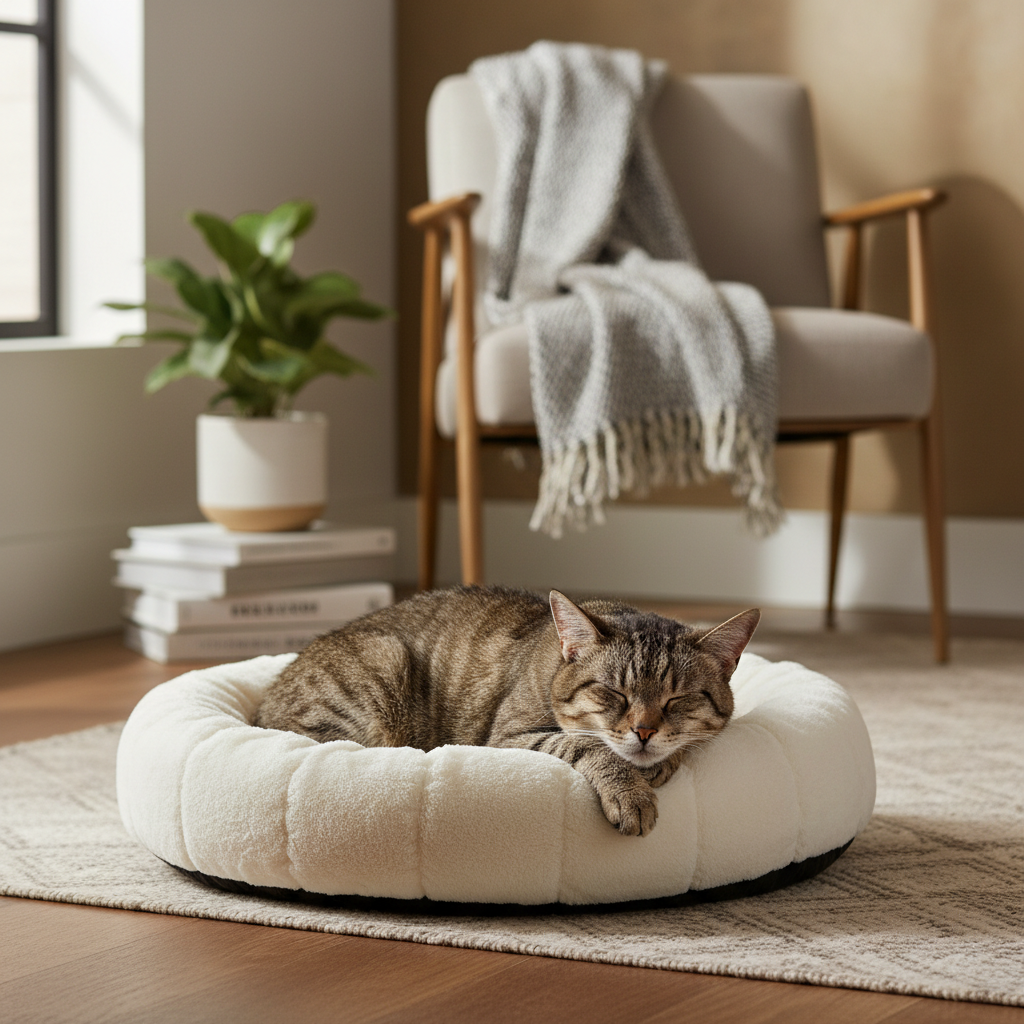
Why senior cats need orthopedic warmth (and what changes with age)
Older cats tend to sleep more, move slower, and tolerate cold less well. Many also deal with stiffness from osteoarthritis or other mobility issues, even when they still act “fine” most days.
According to the American Veterinary Medical Association (AVMA), arthritis is common in aging pets, and comfort-focused home changes can be part of supportive care. That usually includes softer resting spots, easier access, and stable warmth.
- Joint pressure adds up: Thin cushions compress quickly, so hips, elbows, and shoulders meet the floor.
- Heat helps some cats relax: Gentle warmth may reduce the “tight” feeling many seniors show after naps.
- They choose odd “warmth hacks”: vents, sunny windows, laptops, laundry, and your pillow all hint at what they’re seeking.
What “orthopedic” means in cat beds (and how to spot marketing)
In real product terms, “orthopedic” usually points to supportive foam that spreads weight and reduces pressure points. The problem is that the label is used loosely, so you have to read specs and evaluate build.
Support materials that tend to work well
- Memory foam (viscoelastic): Conforms to body shape, often good for pressure relief, but can run warm and may feel too “sink-in” for some cats.
- High-density support foam: Holds shape better, often a good base layer under a softer top.
- Layered foam: A supportive bottom plus softer top is often a practical sweet spot for senior cats.
Quick red flags
- “Orthopedic” with no foam details, only “plush” language.
- Very thin beds (around 1 inch) marketed as joint support.
- Overly lumpy fill that shifts, creating hard spots.
If you’re shopping for a senior cat bed orthopedic warm style, focus less on buzzwords and more on thickness, foam density notes, and whether the bed rebounds after you press it.
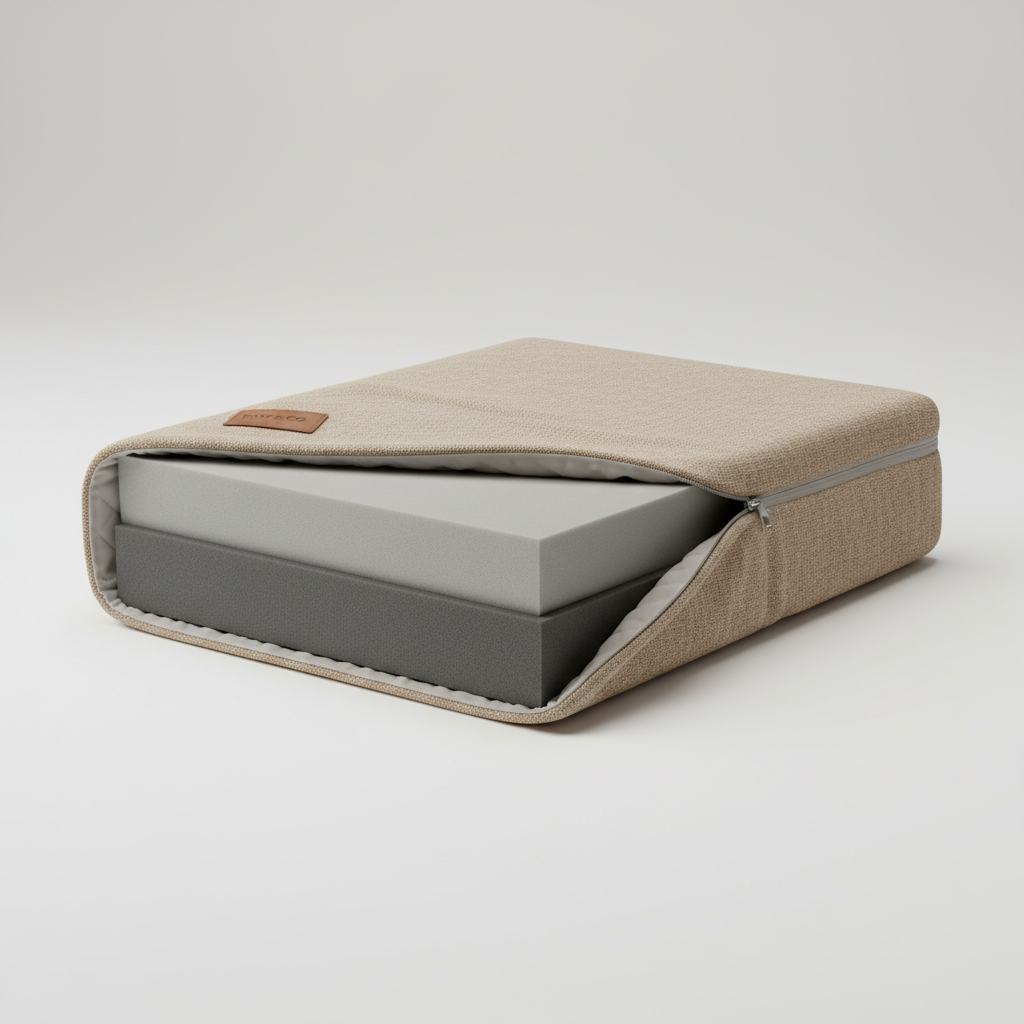
Warmth done right: insulation, self-warming, and heated beds
Warmth is helpful, but too much heat or the wrong setup can backfire. The “best” warmth type depends on your home temperature, your cat’s coat, and whether your cat seeks heat constantly.
Three common warmth approaches
- Insulated plush bed: Thick fabrics trap body heat. Works well in mildly cool homes and for cats who dislike electronics.
- Self-warming layer: Often a reflective film that bounces body heat back. No plug, usually safer for cats who wander.
- Heated bed or heating pad (pet-rated): Useful in colder rooms, but should be temperature-regulated and used with supervision.
According to the American Society for the Prevention of Cruelty to Animals (ASPCA), heating devices should be used carefully with pets to avoid burns or chewed cords. If you go heated, use products designed for pets, keep cords protected, and make sure your cat can always move off the warm area.
A practical rule: if your cat pants, avoids the bed after a few minutes, or stretches out away from the warm zone, dial the heat down or switch to self-warming instead.
Choosing the right bed shape for senior mobility
For seniors, the “best” bed shape is usually the one that matches how they enter, turn, and settle. Many cats want bolsters for security, but tall sides can become an obstacle on stiff days.
- Low-entry bolster bed: Supportive rim, but one side dips lower for easy access.
- Flat mattress style: Easiest to step onto, often best for very stiff cats or those who sprawl.
- Cave or hooded bed: Great for anxious or cold-seeking cats, but choose a roomy opening and avoid heavy roofs that collapse.
If your cat “plops” down rather than easing into a loaf, a flatter orthopedic mattress often reduces awkward angles. If your cat curls tightly to stay warm, a low-entry bolster plus a blanket can work nicely.
Self-check: is your cat asking for more support and warmth?
You don’t need a diagnosis to make comfort upgrades, but it helps to notice patterns. If several of these feel familiar, a supportive warm bed is worth testing.
- Hesitates before jumping onto the couch or bed
- Stiff walk after naps, especially in the morning
- Prefers rugs over hard floors, avoids slick surfaces
- Seeks heat sources more often than before
- Overgrooms certain joints or seems cranky when touched near hips/back
If you see sudden weakness, crying, or refusal to move, that can be more urgent than “senior stuff,” and a vet check is a safer next step.
Practical buying guide (with a comparison table)
When you compare beds, you’re really comparing support, warmth method, cleaning effort, and how easy it is for your cat to use daily. Here’s a quick way to sort options without overthinking.
| Bed type | Support level | Warmth level | Best for | Watch outs |
|---|---|---|---|---|
| Layered foam mattress | High | Medium | Stiff cats, sprawlers | Needs non-slip bottom, choose washable cover |
| Low-entry bolster orthopedic | Medium-High | Medium | Curlers who like a “nest” | Bolster height can block access if too tall |
| Self-warming orthopedic bed | Medium | Medium-High | Cold rooms, no electricity | Reflective layers can crinkle, some cats dislike noise |
| Pet-heated bed/pad + orthopedic base | High | High | Very cold homes, heat-seeking seniors | Cord safety, temperature control, supervision |
Key takeaways: prioritize a supportive core, low entry, easy cleaning, and the right warmth method for your room temperature.
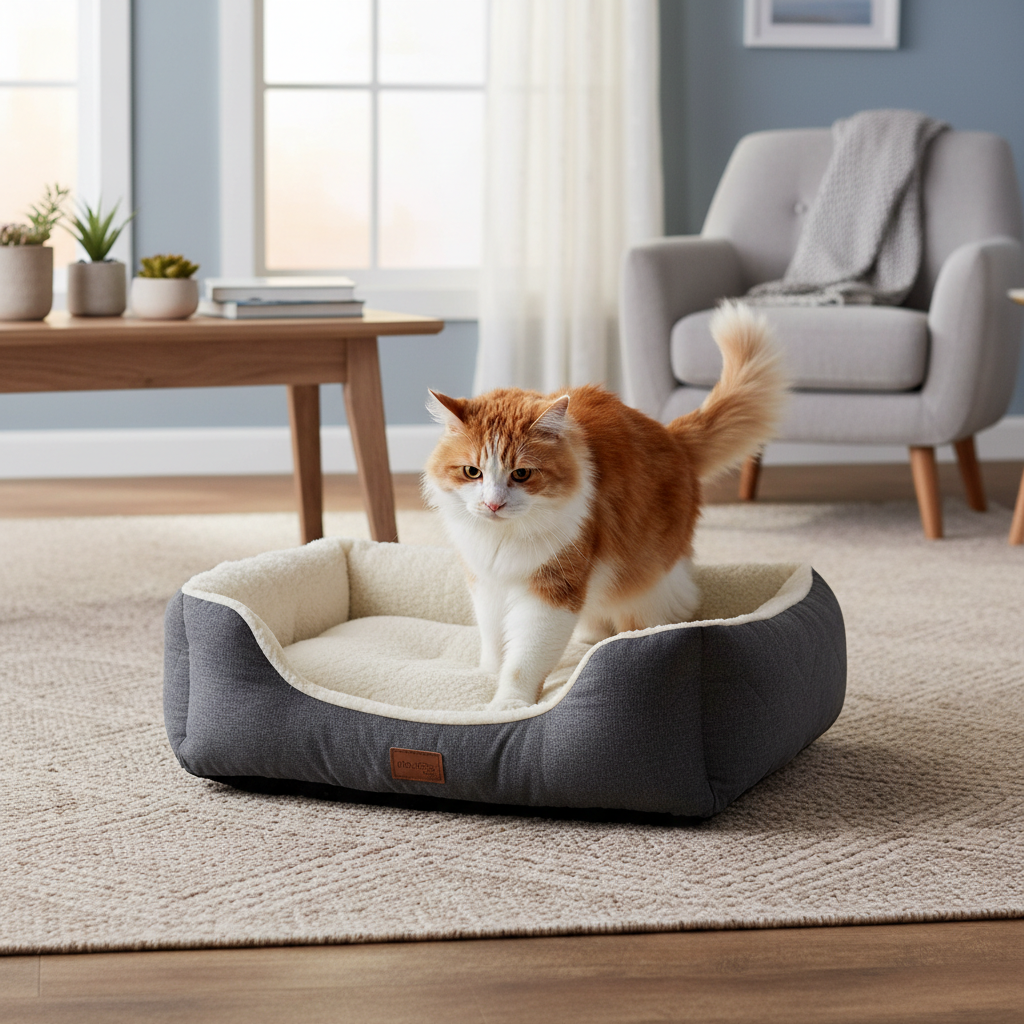
Setup tips that make the bed work (this is where many people miss)
Even the right senior cat bed orthopedic warm choice can fail if placement and routine don’t match your cat’s habits. Small adjustments often decide whether the bed gets ignored or becomes the favorite spot.
- Place it where your cat already rests: start with their current “default” nap zone, not where the bed looks cutest.
- Add traction: set the bed on a rug or use a non-slip mat so seniors don’t slide stepping in.
- Keep it quiet: away from loud vents or busy hallways if your cat startles easily.
- Use a familiar scent: drape a worn t-shirt or a known blanket on top for a few days.
How to test support at home
- Press your palm into the center, if it bottoms out quickly, support is probably limited.
- Check edges after a week, if the foam stays compressed, durability may be an issue.
Common mistakes and safety notes
Most “bad results” come from a mismatch between the bed’s design and the cat’s mobility, or from heat used without enough caution.
- Buying too small: seniors stretch more than you think, cramped beds can increase joint tension.
- Too much fluff, not enough structure: a thick top layer with weak support can feel cozy but still hurt hips.
- Ignoring cleaning: senior cats may have accidents, choose removable, washable covers when possible.
- Unsafe heating choices: avoid human heating pads unless a professional advises otherwise, pet-rated gear is safer in many cases.
If your cat has diabetes, poor circulation, recent surgery, or reduced sensation, heat use deserves extra caution and a quick vet call is usually reasonable.
When it’s time to ask a vet (or a mobility pro)
A bed is supportive care, not a medical plan. If your cat shows persistent pain signs, a veterinarian can help you sort out arthritis, dental pain, neurologic issues, or other causes that look similar at home.
- Noticeable limping, sudden hiding, or vocalizing when moving
- Jumping stops abruptly over days, not months
- Litter box accidents that seem linked to climbing difficulty
- Weight loss, appetite changes, or unusual aggression
According to the American Association of Feline Practitioners (AAFP), pain in cats can be subtle, and behavior changes may be a key clue. If you’re unsure, it’s worth describing the exact changes rather than waiting for a “big” symptom.
Conclusion: a simple path to a better nap
Most homes do well starting with a supportive foam base, a low entry, and warmth that matches your room, then adjusting placement so your cat actually uses it. If you want one next step, pick one nap spot your cat already loves and upgrade that first rather than buying beds for every room.
If you’re shopping today, choose one senior cat bed orthopedic warm model with a washable cover, add traction under it, and watch your cat’s behavior for a week, that feedback is usually more useful than any product description.
FAQ
What is the best senior cat bed orthopedic warm option for arthritis?
Many cats with stiffness seem to do well with layered foam that doesn’t bottom out, plus gentle warmth like a self-warming layer. If pain looks significant, a vet can suggest broader comfort strategies beyond bedding.
Are heated cat beds safe for older cats?
They can be, but safety depends on temperature regulation, chew-resistant cord management, and giving your cat room to move off the heat. If your cat has medical conditions affecting sensation or circulation, ask a veterinarian before using heat.
How thick should an orthopedic cat bed be for a senior?
Thickness matters less than whether it compresses to the floor under your cat’s weight, but many orthopedic designs land in a few inches of supportive foam. If you press down and hit the floor easily, it may be too thin.
Why does my senior cat sleep on the floor instead of the new bed?
Common reasons include smell, placement, too-high bolsters, or the surface feeling unstable. Try moving the bed to the current favorite nap spot and adding a familiar blanket for scent.
Do self-warming beds really work?
They often provide a noticeable “cozy” feel by reflecting body heat, especially in cool rooms, though results vary by fabric and how your cat sleeps. Some cats dislike crinkly reflective layers, so consider quieter designs.
Should I choose a bolster bed or flat mattress for an older cat?
If your cat struggles stepping over edges, a flat orthopedic mattress is usually easier. If your cat still moves comfortably and loves curling, a low-entry bolster can add security and warmth.
Can a better bed reduce night restlessness in older cats?
Sometimes, especially if discomfort or cold wakes them up, but restlessness can also relate to medical issues or cognitive changes. If night pacing becomes frequent, a professional evaluation is a good idea.
If you’re trying to make your cat more comfortable without turning your home into a pet “medical ward,” start with one thoughtfully chosen orthopedic warm bed, then iterate based on where your cat actually chooses to sleep, it’s the fastest way to land on what works in your real space.