
Pet dental wipe for teeth cleaning can be a practical middle ground when your dog or cat won’t tolerate a toothbrush, or when you need something quick between deeper cleanings. It’s not magic, but used the right way, wipes often help reduce soft plaque, improve breath, and make a real routine feel doable.
Dental disease is one of those issues that sneaks up because pets keep eating and acting normal for a long time. Then you notice the breath, the yellow buildup, the red gums, and you’re suddenly wondering what you should have started months ago.
This guide breaks down what dental wipes can and can’t do, how to pick a safer option, how to use them without stressing your pet, and when it’s time to stop “DIY-ing” and book a professional exam.
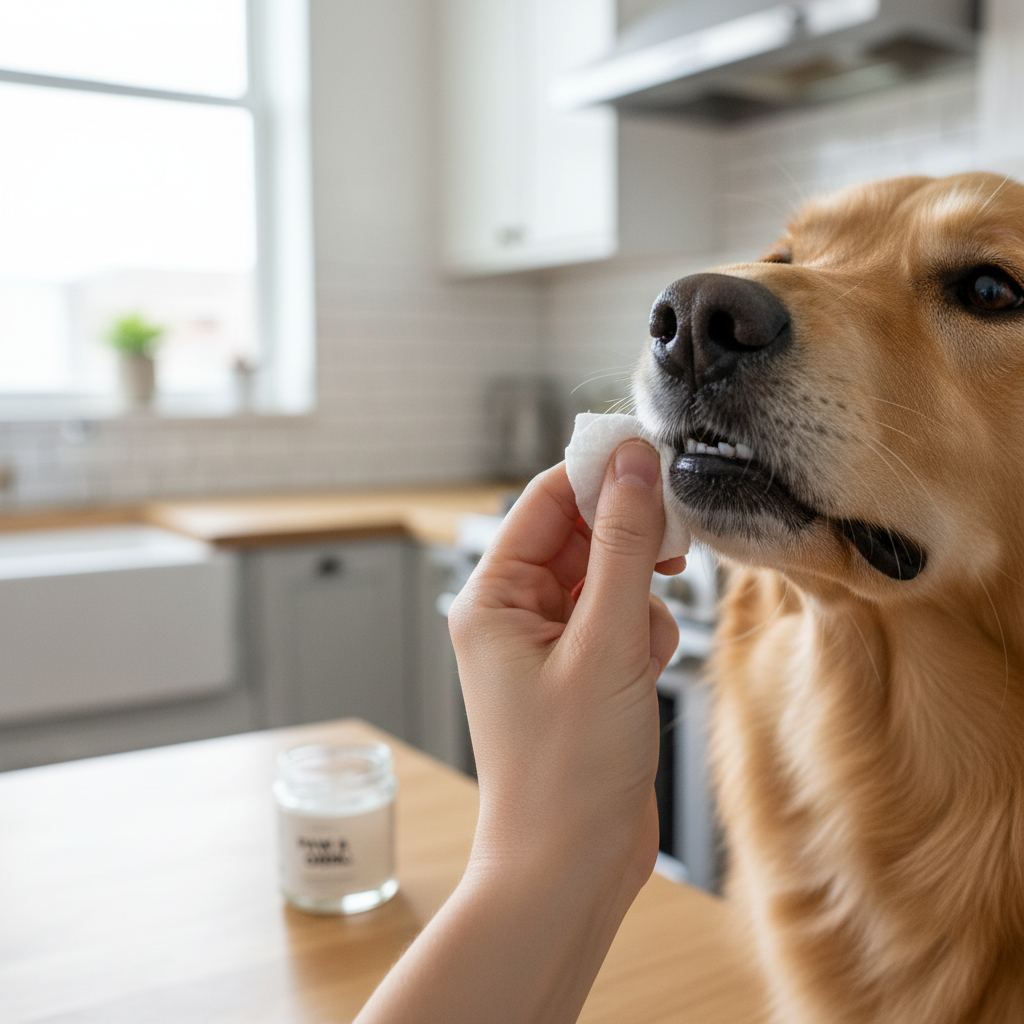
What dental wipes actually do (and what they don’t)
Think of wipes as daily maintenance, not a full replacement for professional care. They mainly help by physically removing soft buildup on the tooth surface and along the gumline, where plaque starts.
- Good at: wiping away soft plaque film, reducing mouth odor triggers, supporting a routine for pets who resist brushing.
- Not great at: removing hardened tartar, reaching deep below the gumline, fixing gum infection, or reversing periodontal disease.
According to the American Veterinary Dental College (AVDC), periodontal disease is common in pets and professional evaluation matters because problems can sit below the gumline where home care can’t reach.
Why plaque keeps coming back: the real-world reasons
If you feel like you wipe today and see buildup again soon, you’re not imagining it. Plaque forms fast, and some pets are simply more prone to it.
- Diet and texture: Soft, sticky foods can cling to teeth, but dry food isn’t a guaranteed “cleaner” either.
- Mouth shape and crowding: Small breeds and flat-faced pets often have tighter spacing, which traps debris.
- Chewing habits: Some dogs swallow treats whole, some cats barely chew, so friction is limited.
- Skipped gumline contact: Many people wipe the front teeth only, but plaque often starts at the gum edge and back molars.
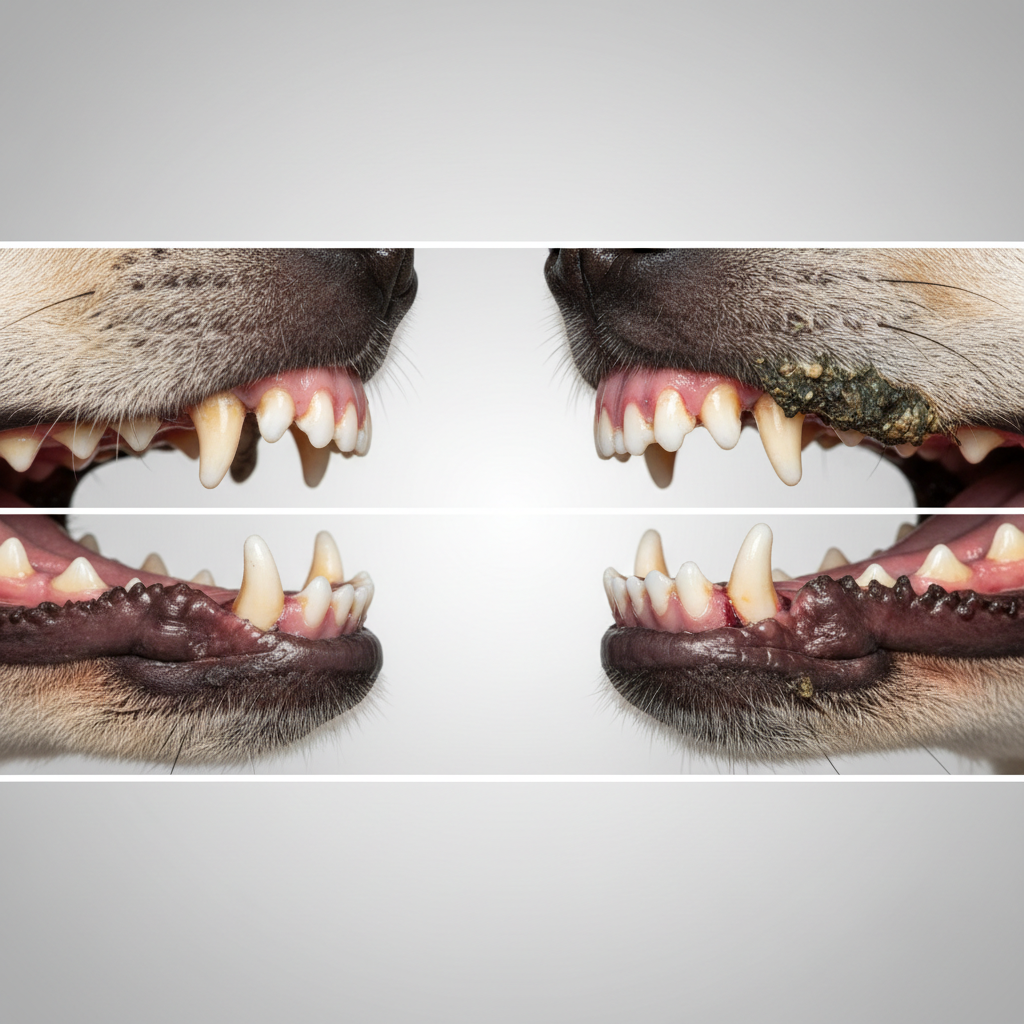
- Existing tartar: Once plaque mineralizes into tartar, a wipe usually can’t budge it.
Quick self-check: is a dental wipe a good fit for your pet right now?
This is the part most people rush past. Wipes work best when the mouth is reasonably comfortable and you’re maintaining, not fighting an active problem.
Good candidates
- Your pet allows brief mouth handling, even if brushing is a no.
- You see light film on teeth rather than thick, crusty deposits.
- Breath is mildly unpleasant, not truly foul or “metallic.”
- Gums look mostly pink, not angry red or bleeding easily.
Use caution or ask a vet first
- Bleeding gums, swollen gumline, visible pus, or loose teeth.
- Your pet yelps, pulls away, or won’t eat crunchy food.
- Strong odor that returns immediately after cleaning.
- Heavy tartar “shells,” especially on back teeth.
How to choose a pet dental wipe (ingredients, texture, and safety)
Not all wipes feel the same, and the label matters more than the marketing. You want something your pet can tolerate and that you feel okay using repeatedly.
What to look for
- Pet-specific labeling: Human oral wipes may include ingredients not intended for pets.
- Textured weave: A slightly grippy surface usually cleans better than a slick cloth.
- Clear directions: Frequency, disposal guidance, and pet size recommendations.
- VOHC acceptance (when available): According to the Veterinary Oral Health Council (VOHC), accepted products meet standards for reducing plaque and/or tartar. A wipe may or may not be on the list, but the seal is a helpful signal.
Ingredient notes (keep it practical)
- Enzymes may support plaque control, but they still need contact time and regular use.
- Chlorhexidine appears in some veterinary dental products and can help with bacteria control in some situations, but long-term use can have tradeoffs and should be discussed with a veterinarian.
- Essential oils and strong flavors can be hit-or-miss, some pets hate the smell, and sensitivity varies.
If your pet has known allergies, chronic GI issues, or you’re unsure about an ingredient, it’s reasonable to bring the product photo to your vet and ask if it fits your pet’s history.
How to use dental wipes for teeth cleaning without starting a wrestling match
The technique matters more than people expect. A wipe that never touches the gumline, or a session that ends in panic, won’t build a routine.
A simple step-by-step routine
- Pick the right moment: after a walk or meal, when your pet is calmer.
- Start outside the mouth: rub the wipe on the lips and muzzle area briefly so the sensation becomes normal.
- Lift the lip, don’t pry the jaw: most plaque sits on the outer tooth surfaces.
- Target the gumline: wipe in small circles where tooth meets gum, especially upper back teeth.
- Keep it short: 15–30 seconds per side is enough at the beginning.
- End with something positive: a dental treat, play, or calm praise, whatever your pet values.
If you’re using a pet dental wipe for teeth cleaning daily, consistency beats intensity. A gentle daily pass often outperforms one long stressful session once a week.

Wipes vs brushing vs water additives: a realistic comparison
Most households end up combining tools. The “best” option is the one your pet will accept consistently, and that matches how much buildup you’re dealing with.
| Option | What it’s good for | Limitations | Best use case |
|---|---|---|---|
| Dental wipes | Quick daily plaque removal, gumline contact without a brush | Less effective on tartar, technique-dependent | Brush-resistant pets, maintenance between brush days |
| Toothbrushing (pet toothpaste) | Most direct mechanical cleaning | Many pets resist, needs training | Owners who can build a routine, early prevention |
| Dental chews | Added friction, can support breath | Chewers vary, calories, choking risk for some pets | Dogs who chew reliably, supplemental support |
| Water additives | Easy habit, broad mouth exposure | Effect varies, some pets drink less | Low-touch support, multi-pet homes |
| Professional dental cleaning | Removes tartar, evaluates below gumline | Requires veterinary visit, may involve anesthesia | Moderate to severe buildup, pain, gum disease signs |
Key point: If tartar is already thick, wipes often become “cosmetic cleaning,” meaning the visible surface looks a bit better while the real problem may still sit near or under the gumline.
Practical plans by situation (so you don’t overthink it)
Here are routines that tend to work in everyday homes, without pretending everyone has time for a 10-minute dental session.
If you’re just starting
- Use wipes 3–5 days/week for two weeks, keep sessions short.
- On off days, do a quick lip lift and look for redness or new buildup.
- Add a VOHC-accepted chew a few times/week if appropriate for your pet.
If breath is the main complaint
- Focus wipes on the back upper teeth and gumline, odor often concentrates there.
- Check for non-dental causes too: GI issues, diet shifts, or something stuck in the mouth.
- If the smell is strong and persistent, consider a veterinary oral exam.
If you see visible tartar
- Use wipes to reduce soft plaque around tartar, but set expectations.
- Schedule a dental consult to discuss professional cleaning options.
- After professional care, wipes can help extend the “clean” period.
When you’re aiming for long-term control, pairing pet dental wipe for teeth cleaning with at least one other support tool usually feels more realistic than betting everything on a single product.
Common mistakes that make wipes feel useless
- Only wiping the front teeth: back molars matter more for plaque load.
- Going too hard: pressure can irritate gums and makes pets refuse next time.
- Switching products too fast: many pets need a week or two to accept a scent/texture.
- Ignoring pain signals: head shaking, pawing at the mouth, or dropping food deserves attention.
- Assuming “natural” means safer: sensitivities vary, and ingestion is part of the equation.
When to stop home care and talk to a professional
If anything looks painful or infected, home cleaning can delay the care that actually helps. According to the American Animal Hospital Association (AAHA), routine dental evaluation is a key part of preventive care, and your veterinarian can recommend the right next steps for your pet’s mouth health.
- Bleeding gums that recur even with gentle wiping
- Loose teeth, swelling, facial asymmetry, or discharge
- Refusing food, chewing on one side, sudden irritability around the mouth
- Hard tartar with red, puffy gum margins
If your pet has other medical conditions, anesthesia risk questions, or you’re unsure how aggressive to be with cleaning, a veterinary dentist or your primary vet can tailor recommendations.
Conclusion: a wipe is a tool, not the whole plan
A dental wipe can be a genuinely helpful habit when brushing isn’t happening yet, and it often fits real schedules better than people admit. Keep expectations grounded: wipes support plaque control, but they won’t erase heavy tartar or treat disease under the gumline.
If you want an easy next step, do two things this week: pick a pet-safe wipe you can use consistently, then take 20 seconds every few days to look at the gumline so you catch problems early instead of guessing.