
guinea pig skin supplement oil sounds like a quick fix for flakes and a rough coat, but the safest results usually come from using the right oil, in the right amount, for the right reason.
If your guinea pig looks itchy, has “snowy” dandruff on dark fur, or their coat feels dry and brittle, oil can help in some cases, yet it can also mask problems like mites, fungal issues, low humidity, or a diet gap that oil alone won’t solve.
This guide breaks down what oils can realistically do, how to tell whether you even need one, and how to use an oil supplement without turning grooming into a greasy mess, or worse, upsetting a sensitive stomach.
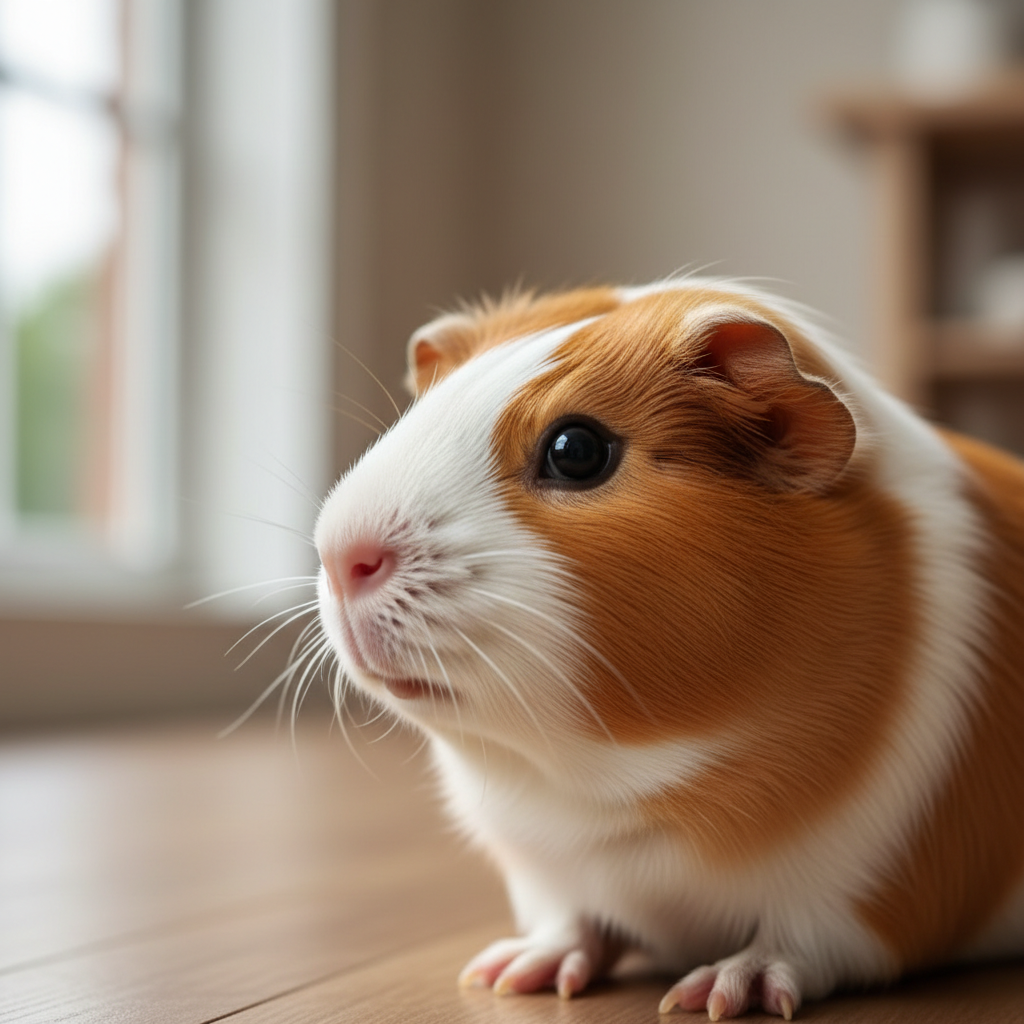
Why guinea pig skin and coat problems happen (and when oil helps)
Oil can support the skin barrier, basically the “top layer” that keeps moisture in and irritation out. When that barrier gets dry, you see flakes, dullness, and sometimes more scratching.
But in real life, coat issues tend to be multi-factor. A supplement oil is most helpful when the underlying cause is mild dryness or a diet that’s a bit low in certain fats, not when there’s an active parasite or infection.
- Dry indoor air: Winter heat and low humidity often show up as dandruff and static-y fur.
- Diet imbalance: Too many pellets/treats, not enough quality hay, or inconsistent vitamin C can show up as poor coat condition.
- Bathing or harsh grooming: Over-bathing strips natural oils, which can kick off a dry-skin loop.
- Mites or lice: Itch is often more intense, sometimes with scabs or hair loss.
- Fungal or bacterial skin issues: Patchy hair loss, redness, crusting, or a “ring” pattern can happen.
- Medical factors: Pain, dental disease, or arthritis can reduce self-grooming, making the coat look worse even if skin is fine.
According to the American Veterinary Medical Association (AVMA), skin problems and external parasites are common reasons small mammals end up needing veterinary care, so if the itch looks “more than mild,” it’s worth taking seriously.
Quick self-check: do you actually need a supplement oil?
Before you add anything to the diet, try to categorize what you’re seeing. A lot of people jump to oil because the coat looks dull, but the real fix might be hay intake, humidity, or parasite treatment.
Signs oil may be a reasonable trial (mild cases)
- Light flakes without open sores or scabs
- Coat feels dry but no obvious bald patches
- Itching is occasional, not constant
- You recently moved, turned on heat/AC, or humidity dropped
- Diet is stable and mostly hay-based, with daily vitamin C source
Signs you should pause and consider a vet visit first
- Hair loss in patches, especially with redness or crusts
- Intense scratching, squeaking, or visible discomfort
- Scabs, bleeding, or sores
- Weight loss, reduced appetite, or low energy
- Other pigs in the home also start itching
According to the ASPCA, any pet with persistent itching, hair loss, or skin lesions should be assessed by a veterinary professional, since parasites and infections can look deceptively similar at home.
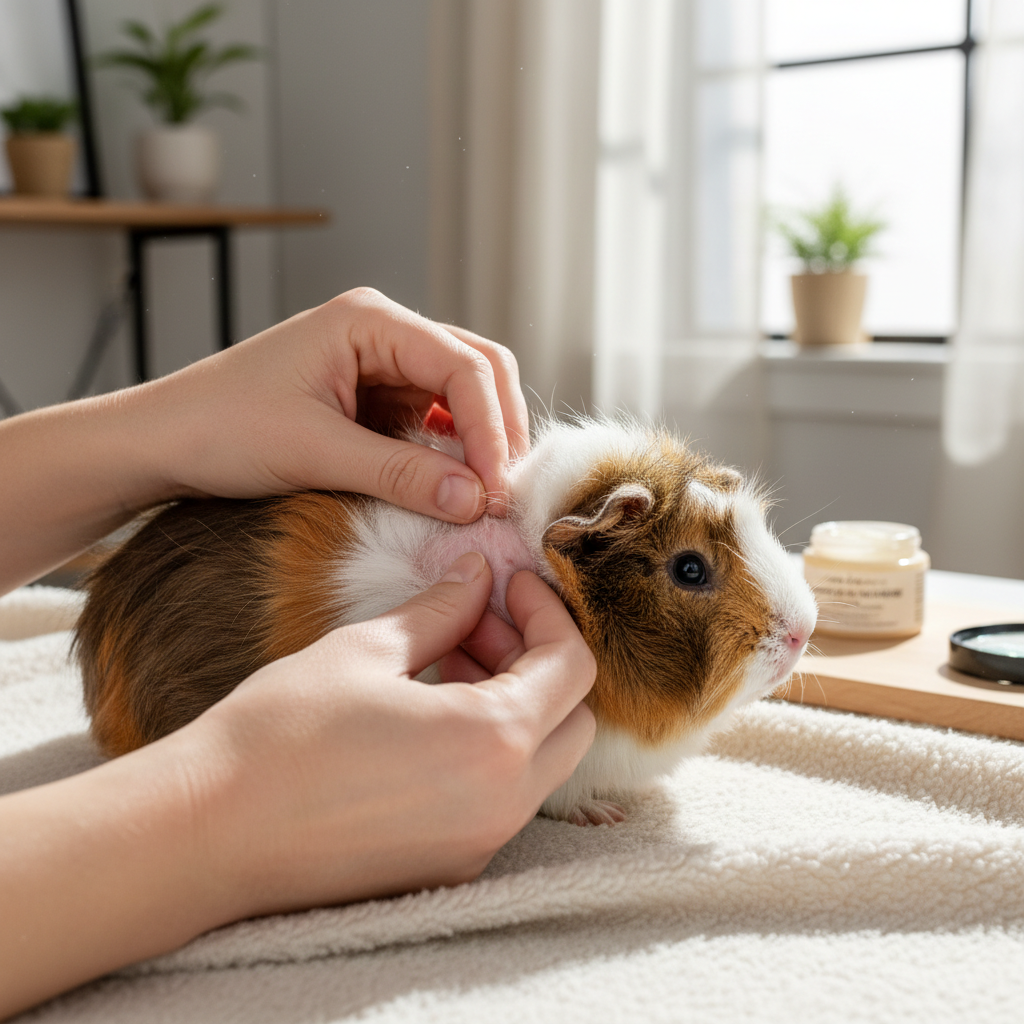
Choosing a guinea pig skin supplement oil: what’s usually preferred
For guinea pigs, the “best” oil is less about trendy ingredients and more about purity, simplicity, and dose control. You want something that can be measured in tiny amounts and doesn’t come with added flavors, sweeteners, or essential oils.
Common oil options (pros, limits, typical use)
| Oil type | Why people use it | What to watch |
|---|---|---|
| Flaxseed oil | Plant-based omega-3 (ALA) support for dryness and coat feel | Can go rancid fast; store cold, check smell |
| Small-animal “omega” blends | Pre-measured dosing, often formulated for pets | Verify ingredients: no essential oils, no sugar |
| Fish oil | EPA/DHA source used in many species for skin support | Smell can reduce appetite; dosing must be conservative |
| Coconut oil (dietary) | Easy to find, some use for coat shine | Higher saturated fat; not always ideal as a daily supplement |
If a label includes “essential oils,” “fragrance,” or a long list of additives, skip it. Guinea pigs are small, and their digestive systems don’t forgive experiments.
How to use a supplement oil safely (practical steps)
When people run into trouble, it’s rarely the idea of oil, it’s the amount. A guinea pig doesn’t need much, and more oil doesn’t mean more shine, it often means soft stool and a picky eater.
Step-by-step approach that tends to work better
- Start tiny: choose a very small measured amount and hold that for 7–10 days.
- Mix with food: drizzle onto a small portion of veggies so you can confirm it was eaten, instead of soaking the whole bowl.
- Keep the diet boring-stable: don’t change pellets/hay at the same time, or you won’t know what caused what.
- Watch poop: any softening, mush, or reduced output means back off and reassess.
- Store correctly: many oils oxidize; rancid oil can cause GI upset and defeats the purpose.
If you want a simple rule that keeps most owners out of trouble: use the minimum amount that creates a visible improvement, and treat oil like a supportive add-on, not a main “treatment.”
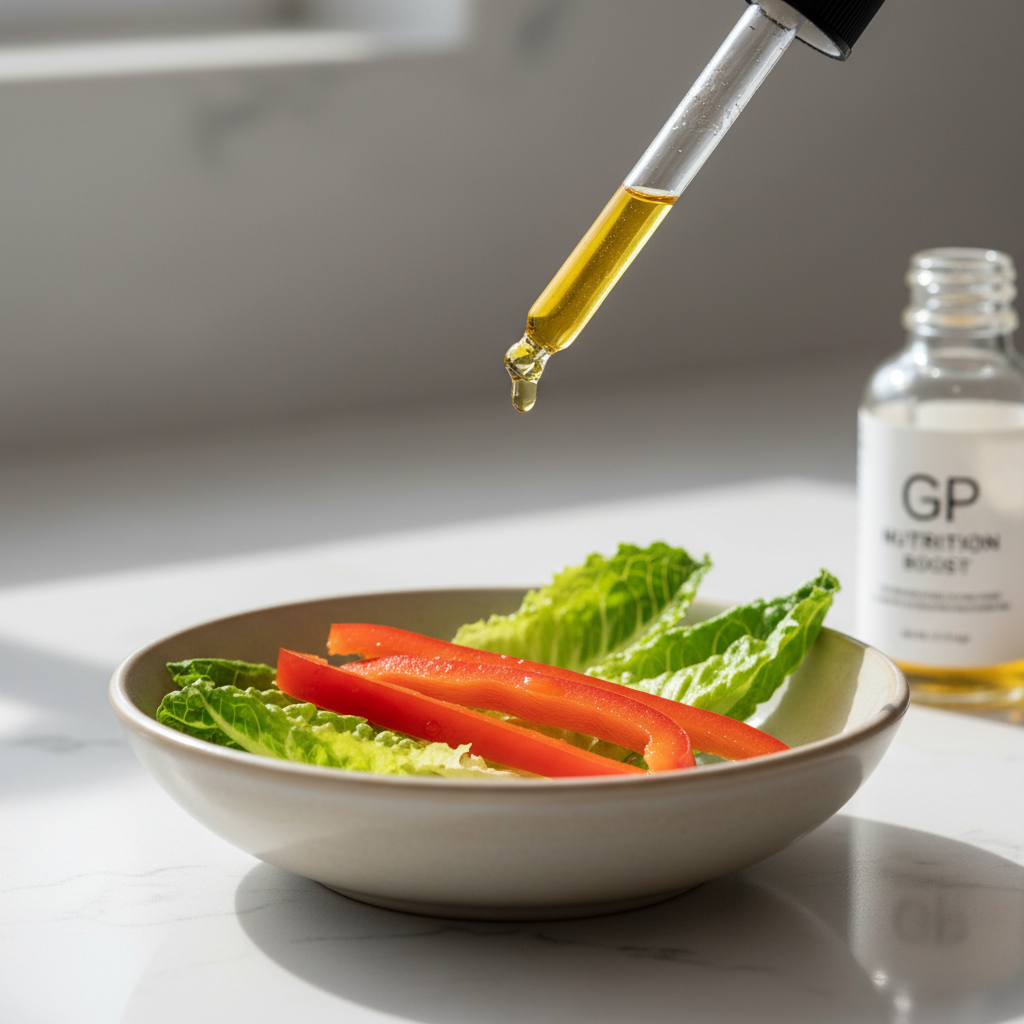
Don’t miss the bigger levers: diet, vitamin C, grooming, and humidity
A supplement oil can polish the result, but the base matters more. If your pig’s coat keeps looking rough, check these before you keep adding oil.
- Hay first: Unlimited grass hay supports digestion and steady nutrient intake, which often shows in the coat.
- Vitamin C consistency: Guinea pigs need dietary vitamin C; inconsistent intake can affect skin and overall health. According to the Merck Veterinary Manual, guinea pigs require vitamin C from the diet because they cannot synthesize it.
- Gentle grooming rhythm: Regular brushing removes dander and spreads natural oils; frequent baths usually backfire.
- Humidity check: If your home is very dry, a room humidifier near (not on) the habitat can reduce flaking in many cases.
- Clean bedding: Dusty bedding can irritate skin and airways; switch to a low-dust option if sneezing or itch stacks up.
Key point: if you improve hay intake, vitamin C reliability, and humidity, you may not need much oil at all.
Common mistakes and safety notes (this is where most issues start)
Skin and coat care is one of those areas where “natural” can still go wrong. A few common choices cause problems fast.
- Topical essential oils: Tea tree and similar oils can be risky for small animals, and accidental ingestion during grooming is very likely.
- Over-supplementing: Too much fat can trigger diarrhea, reduced appetite, and weight gain over time.
- Using oil to treat suspected mites: Oil may make the coat look smoother while the itch continues, delaying real treatment.
- Ignoring rancidity: If it smells “paint-like” or bitter, toss it. Oxidized oils are not a “just finish the bottle” situation.
- Mixing multiple new products: New oil + new pellet + new treats is how you end up guessing for weeks.
If your guinea pig is pregnant, very young, elderly, or has a history of digestive sensitivity, it’s smart to ask an exotics vet about any ongoing fat supplementation plan.
When to seek professional help (and what to bring to the appointment)
If coat issues stay the same after a short, conservative trial, or you see hair loss, scabs, or significant itch, a vet visit usually saves time and stress. Many problems need targeted treatment, not more supplements.
According to the American Animal Hospital Association (AAHA), bringing details like diet, environment, and recent changes helps vets triage skin complaints faster, even in small companion animals.
- Take photos of the affected areas in good light
- Write down: diet, hay type, bedding, and any recent changes
- Note itch pattern: constant vs. after handling, worse at night, etc.
- List any supplements, including a guinea pig skin supplement oil dose and frequency
Conclusion: a realistic way to get a softer coat without overdoing it
A guinea pig skin supplement oil can be a helpful, low-effort nudge for mild dryness and coat dullness, especially when you keep doses small and pair it with the unsexy basics like hay, steady vitamin C, and better humidity.
If you want one action that usually pays off quickly, tighten the fundamentals for a week, then add a tiny measured amount of oil only if flakes and coat feel still don’t budge, and if itch looks intense or you see hair loss, skip the guessing and talk to an exotics vet.
FAQ
What is the safest guinea pig skin supplement oil to start with?
Many owners start with a simple, pure option like flaxseed oil because it’s easy to dose and doesn’t involve added flavors. The “safest” choice still depends on your pig’s digestion and diet, so keep the amount conservative and monitor stool.
How long does it take to see coat improvement after adding oil?
For mild dryness, you might notice less flaking and a smoother feel within 1–3 weeks. If nothing changes, the cause is often not “missing oil,” and it’s time to reassess diet, humidity, or possible parasites.
Can I put oil directly on my guinea pig’s skin?
Topical oil can trap dirt and encourages licking, so it’s usually not the first choice. If you’re thinking topical because the skin looks irritated, that’s a good moment to check for mites or fungal issues with a professional.
Is fish oil okay for guinea pigs?
Fish oil is used across species, but guinea pigs are small and dosing errors happen easily. If you use it, choose a plain product and consider getting dosing guidance from an exotics vet, especially if your pig has a sensitive stomach.
My guinea pig has dandruff but isn’t itchy—should I still worry?
Not always. Light dandruff often tracks back to dry air, seasonal changes, or grooming. If dandruff becomes heavy, the coat thins, or your pig starts scratching more, it’s worth investigating beyond supplements.
What foods help a guinea pig’s coat besides adding oil?
Unlimited grass hay and vitamin C–rich veggies (like bell pepper) tend to matter more than most people expect. A stable, hay-forward diet often improves coat quality even before you add any extra fat.
Can too much oil cause diarrhea in guinea pigs?
Yes, it can. Soft stool is one of the earliest signs the amount is too high or your pig doesn’t tolerate that oil well, and it’s a reason to stop and consult a vet if it persists.
How do I know if it’s mites instead of dry skin?
Mites often cause stronger itching, pain with touch, scabs, and sometimes hair loss. The tricky part is you can’t confirm mites reliably at home, so if the itch escalates, a vet exam is the safer route.
If you’re trying to pick a guinea pig skin supplement oil and want a more “set-and-check” routine, it can help to choose a simple, additive-free product with an easy measuring cap, then track coat and stool changes for two weeks before changing anything else.