
ferret cage shelf platform sturdy is usually what people mean when they say “my ferret keeps slipping” or “the shelf wobbles when they jump.” If the platform flexes, tilts, or has rough edges, it can turn normal play into stress for you and your ferret, and in some cases may increase the chance of a fall.
The good news is most shelf problems come from a few predictable issues: the wrong material, weak mounting points, slick surfaces, or a shelf that doesn’t match how ferrets actually move. Fixing those is less about buying the most expensive accessory and more about choosing the right specs and installing it correctly.
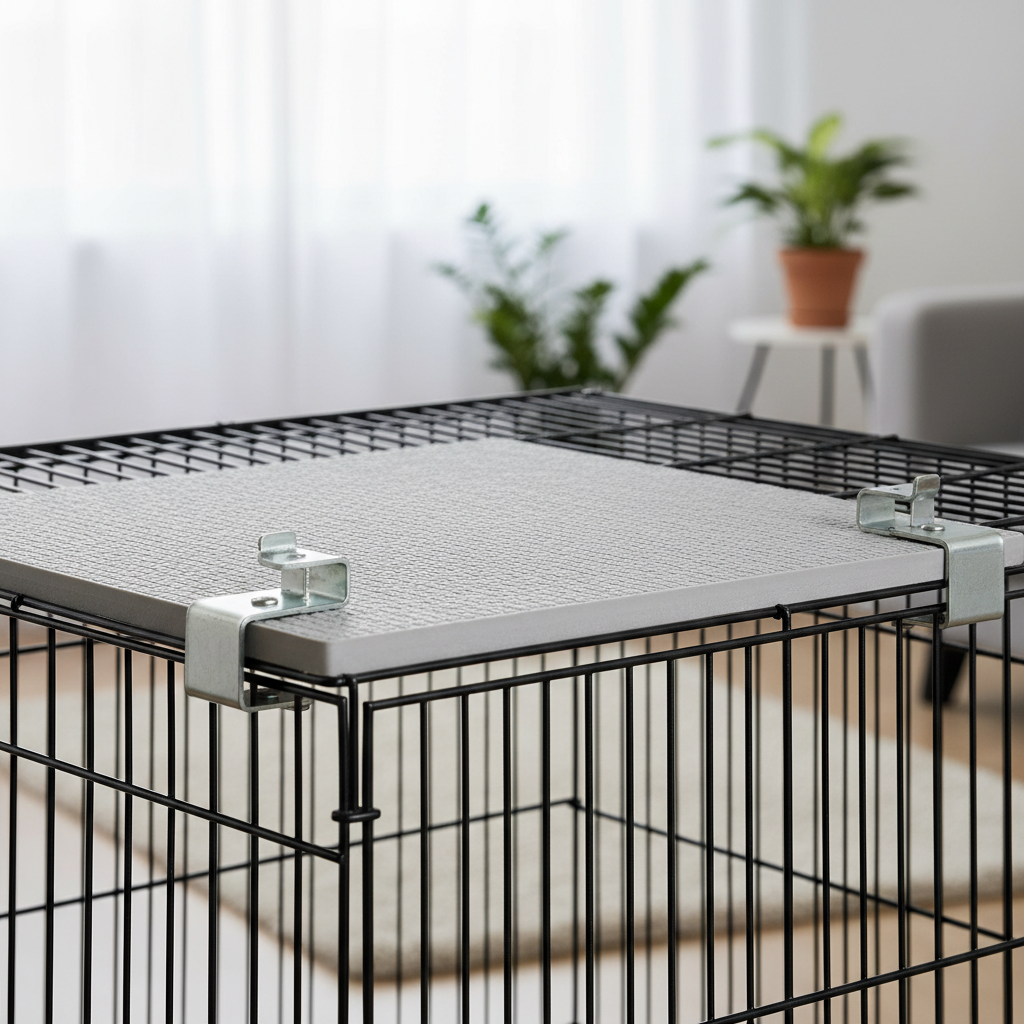
This guide breaks down what “sturdy and safe” really looks like in a ferret cage shelf, a quick checklist to diagnose your setup, and practical steps to upgrade or stabilize what you already have without overcomplicating it.
What “sturdy and safe” means for a ferret shelf (not just marketing words)
For ferrets, “sturdy” isn’t only about weight capacity. It’s about how the shelf behaves when a small animal hits it at speed, changes direction, or launches off the edge.
- Rigid under dynamic movement: minimal flex or bounce when your ferret jumps on and off.
- Secure attachment: no rotation, sliding, or loosening over time.
- Non-slip traction: a surface that grips paws, especially when they corner fast.
- Safe edges and gaps: no sharp corners, splinters, or gaps that can catch toes.
- Easy to clean: if cleaning is annoying, people delay it, then the shelf gets slick or unsanitary.
According to American Veterinary Medical Association (AVMA), proper housing and husbandry are part of keeping pets safe and healthy, and in practice that includes stable footing and reducing avoidable injury risks inside enclosures.
Common reasons a ferret shelf feels wobbly or unsafe
If your current platform “should be fine” but still feels sketchy, one of these is usually the culprit.
1) Weak mounting hardware or too few attachment points
Many shelves ship with basic clips that work on paper but loosen when ferrets repeatedly land on one corner. A shelf that’s anchored in only two spots tends to twist.
2) The shelf material flexes, or the board is too thin
Thin plastic often bows in the middle, and some woods flex if they’re not reinforced. Flex isn’t always visible until the ferret loads the edge.
3) Smooth surfaces become slippery after cleaning
Plastic and sealed wood can get slick, especially if you wipe with products that leave residue. That “ice rink” feeling is real for ferrets.
4) Mismatch between shelf size and cage geometry
A platform that barely spans between wires, or rests against a door frame, may never sit square. Even a well-built shelf can wobble if the cage wall isn’t giving it solid contact.
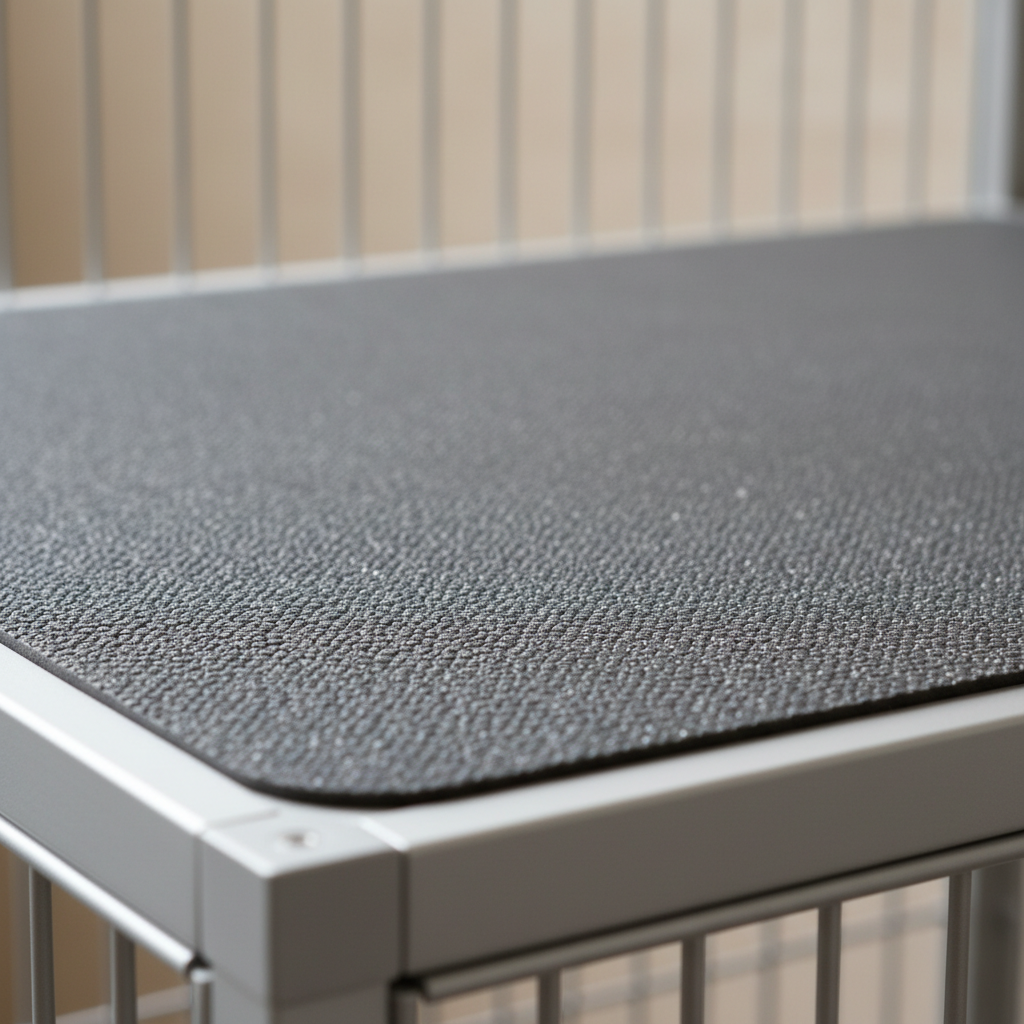
Quick self-check: which shelf situation are you in?
If you want a fast answer before shopping, run this checklist while the shelf is installed.
- Twist test: hold the shelf edge and try to rotate it up/down, if it moves more than a tiny amount, mounting is the issue.
- Bounce test: press down in the center with your hand, if it visibly flexes, thickness or reinforcement is the issue.
- Slip test: rub your palm across the surface, if it feels glossy or slick, traction is the issue.
- Gap scan: look for open corners and side gaps near cage wires, if a toe could get caught, adjust fit or add guards.
- Cleanability reality check: if you avoid cleaning because it’s a hassle, redesign for quick wipe-down.
Most cages end up needing a mix: better mounting plus better traction. Don’t be surprised if you fix one and the other becomes obvious.
Choosing materials and design features that hold up in real cages
When people search for a ferret cage shelf platform sturdy option, they’re often comparing plastic, wood, and metal. Each can work, but the “safe” part depends on details.
Material comparison table
| Material | Pros | Common pitfalls | Best use case |
|---|---|---|---|
| Powder-coated metal | Very rigid, long lifespan | Can be slippery unless textured, may feel cold | High-traffic shelves, heavy jump zones |
| HDPE / thick plastic | Easy to sanitize, resists moisture | Thin versions flex, smooth finishes slip | Wipe-clean setups, litter-adjacent shelves |
| Sealed wood (properly finished) | Good grip with the right top layer, customizable | Can absorb odors if not sealed, splinters if unfinished | DIY builds, wide platforms with added supports |
Design features worth paying attention to
- Reinforced underside: ribs or a frame reduce flex, especially on wide shelves.
- Four-point mounting: more anchors usually means less twist.
- Rounded edges: kinder on paws and easier to wipe.
- Textured top or removable traction mat: helps prevent skids, and mats can be replaced.
If your ferret does big leaps, prioritize rigidity and traction over “cute” add-ons. Ferrets rarely care about cute, they care about grip.
Practical fixes: make an existing shelf more sturdy and safer
Before you replace anything, you can often stabilize what you already own. The goal is a shelf that stays put even when the ferret hits the corner at speed.
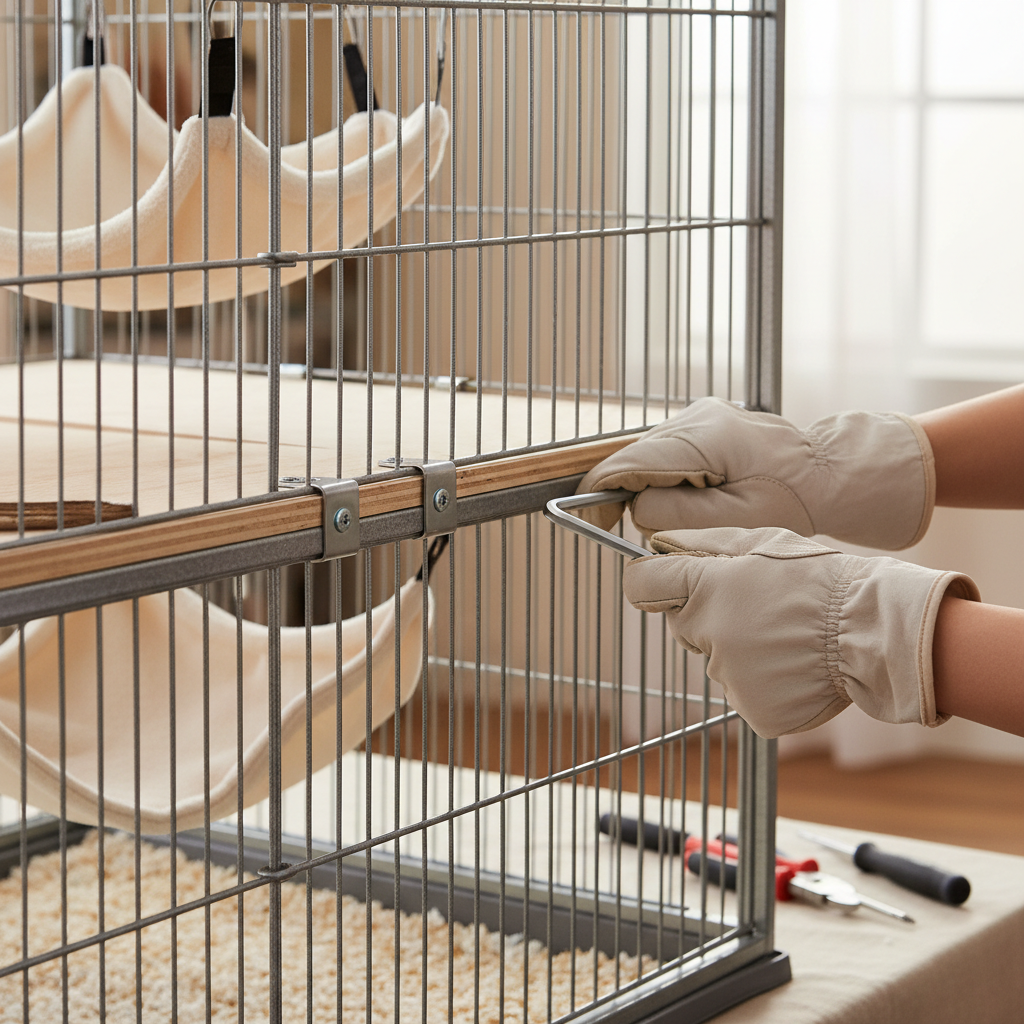
Step-by-step stabilization (typical wire cages)
- Add attachment points: use additional cage-safe fasteners so the shelf anchors on more sides. Avoid anything with sharp ends exposed inside the cage.
- Stop rotation: if the shelf pivots, add a second bracket on the opposite side or use a rigid support under the free edge.
- Improve traction: add a washable, non-fraying mat or a traction strip made for pet surfaces. Check edges so nothing can be chewed loose.
- Level the platform: if the cage wall is slightly bowed, adjust mount position so the shelf sits flat, not forced.
- Recheck after 48 hours: hardware can settle, a quick tighten prevents “mystery wobble” a week later.
When you’re aiming for a ferret cage shelf platform sturdy setup, the fastest win is usually traction plus anti-rotation support. People tend to focus only on weight rating, but wobble comes from torque, not just load.
Placement tips: where shelves work best in a ferret cage
A solid shelf can still cause problems if it’s placed in a spot that encourages awkward landings or creates fall zones.
- Avoid “ladder-to-nowhere” layouts: if a shelf is too far from the next level, ferrets may jump down at bad angles.
- Stagger heights: create intermediate steps, not one big drop.
- Keep sleeping areas calmer: place high-energy shelves away from hammocks where cage mates rest.
- Mind the door swing: shelves near doors can shift when you open and close the cage.
According to American Society for the Prevention of Cruelty to Animals (ASPCA), appropriate housing should support safe movement and reduce hazards, which aligns with building a layout that limits unnecessary falls.
Common mistakes that look “safe” but usually backfire
- Using tape or adhesives inside the cage: many adhesives don’t hold long-term and can introduce chewing risks.
- Leaving raw wood: it may splinter and absorb odors, sealing matters for hygiene and durability.
- Relying on two clips only: it’s rarely enough for a high-traffic platform.
- Adding thick plush covers everywhere: they can bunch up and create slipping or snag points unless they’re tight and secured.
- Ignoring weekly checks: even good hardware loosens over time with repeated impact.
If you keep chasing squeaks and wiggles, it’s often because the mounting method isn’t designed for repeated corner impacts, not because your ferret is “too wild.”
When to consider professional help or a different approach
If your ferret has mobility limitations, is recovering from an injury, or you’re seeing repeated falls, it’s smart to be conservative. In those cases, a lower, simpler layout with fewer elevated platforms may be safer, and it may be worth asking an exotic-animal veterinarian for guidance on housing setup.
Also consider outside help if you’re modifying metal or wood and can’t fully eliminate sharp edges, exposed fasteners, or chewable parts. A small hazard repeated daily becomes a big risk over time.
Key takeaways and what to do next
A ferret cage shelf platform sturdy setup comes down to three things: rigid structure, secure mounting that resists twisting, and a surface that stays grippy after cleaning. If you only fix one, you usually still feel uneasy, and your ferret may still slip.
Pick one action today: tighten and upgrade attachment points, or add a proper traction layer and remove anything that can bunch up. After that, do a quick weekly check for loosening hardware and surface slickness, it takes minutes and prevents the same problem from creeping back.
FAQ
What makes a ferret cage shelf platform sturdy enough for jumping?
Look for minimal flex, anti-rotation mounting, and traction. Jumping stresses corners more than the center, so stability at the edges matters as much as weight capacity.
Is plastic or metal safer for a ferret shelf?
Either can be safe. Metal tends to be more rigid, while thick plastic is easy to clean. The deciding factor is usually surface grip and how securely the shelf mounts in your specific cage.
How do I stop my ferret from slipping on the platform after cleaning?
Rinse off any cleaner residue and consider a removable traction mat that can be washed and dried. If the surface stays glossy, a textured layer often helps more than changing cleaners.
How big should a shelf be for an adult ferret?
Big enough for turning and brief lounging without feeling like a ledge. Many owners aim for a platform where the ferret can stand and pivot comfortably, but exact sizing depends on cage width and layout.
Can I use wood for a DIY shelf inside a ferret cage?
Often yes, if it’s properly sanded and sealed with a pet-safer finish, then fully cured before use. Unfinished wood can splinter and absorb odors, which becomes a maintenance problem.
How often should I check shelf brackets and fasteners?
Weekly checks are a realistic baseline in many homes, and immediately after any deep clean or cage move. If you notice new wobble, don’t wait, tightening early prevents damage to the cage wires and the shelf.
My ferret keeps trying to push the shelf cover around, what should I do?
That usually means the cover isn’t tight enough or the fabric grabs claws. Swap to a snug, non-fraying mat, or use a textured surface that doesn’t require a loose cover.
If you’re trying to build a cleaner, quieter cage setup and want a more dependable shelf solution, it can help to choose a platform designed for rigid support, secure mounting, and easy wipe-down, then tailor traction and placement to how your ferret actually moves.