
puppy potty training pads can be a lifesaver, until you realize your puppy keeps missing the target, tracking pee across the floor, or soaking through the edges. Extra-large pads usually solve those problems in a very unglamorous way: they give you more “margin for error,” better coverage, and fewer cleanup surprises.
If you live in an apartment, have a small dog breed with a tiny bladder, or you’re juggling work calls while training, pad size isn’t a minor detail, it’s the difference between steady progress and daily frustration. A bigger pad can buy you time while your routine gets consistent.
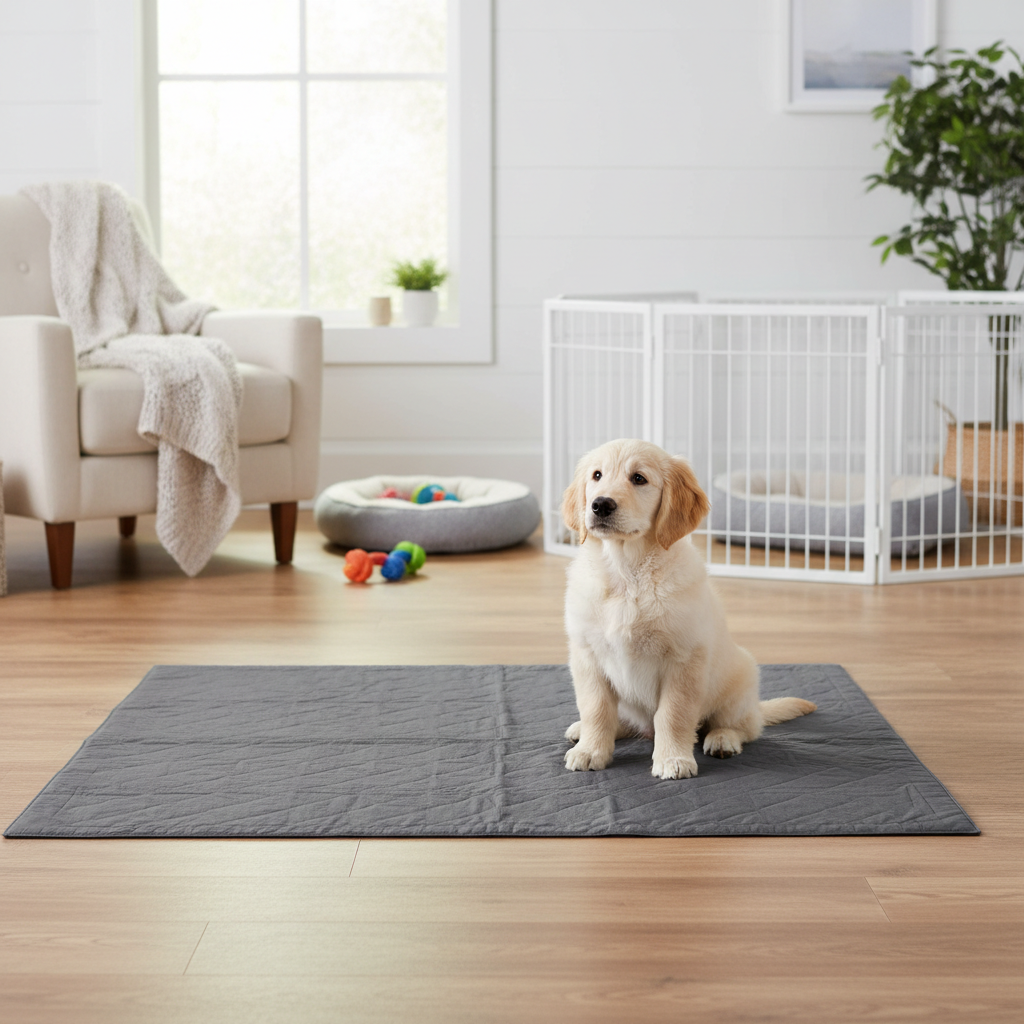
This guide breaks down when extra-large pads make sense, what features matter beyond “big,” and how to set them up so your puppy actually uses them. You’ll also see a quick comparison table and a simple checklist to figure out your next step.
Why extra-large pads often work better in real homes
Most “pad problems” aren’t behavioral mysteries, they’re logistics. The pad is too small, slides around, or sits too far from where your puppy already wants to go.
- Better aim coverage: Puppies squat awkwardly, circle, or step forward mid-pee. Extra space reduces edge misses.
- Less tracking: When paws land on wet areas, accidents travel. Larger surface area helps keep a drier zone.
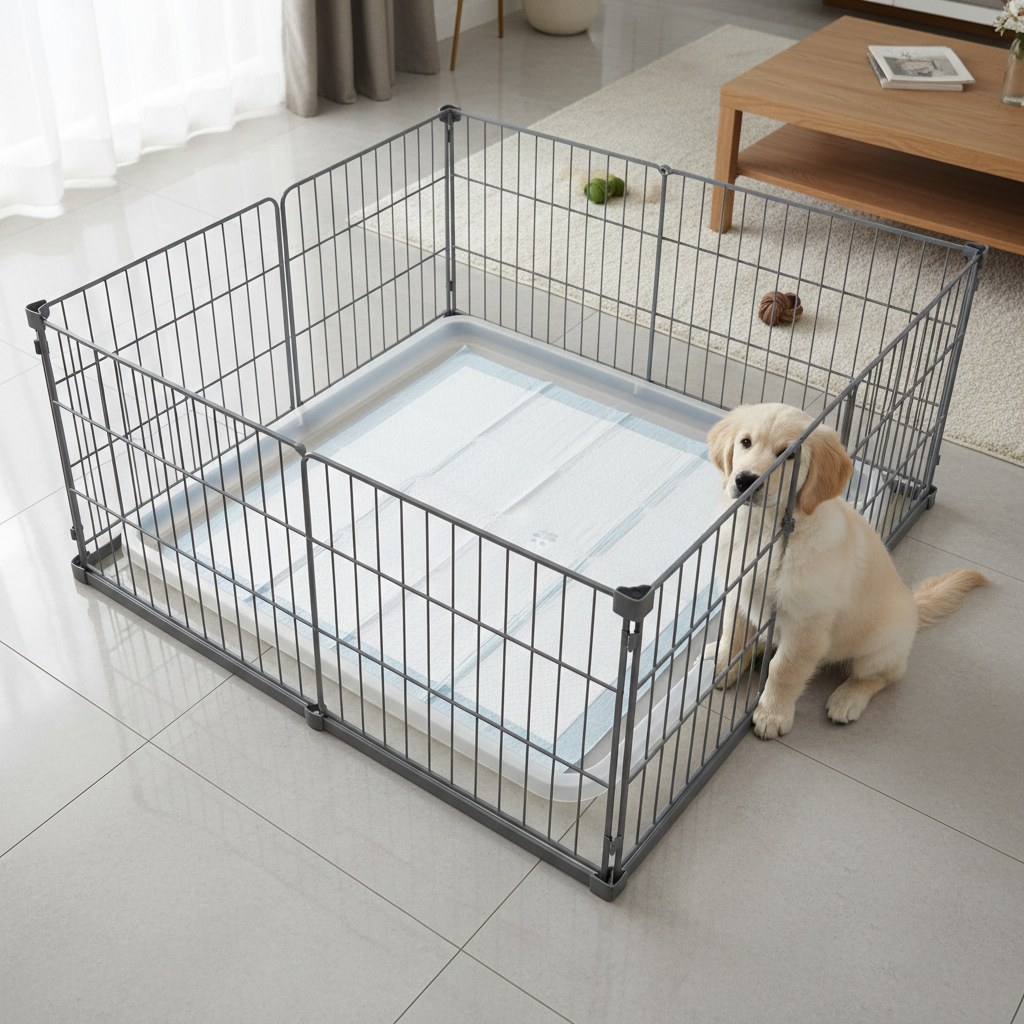
- Useful for crates and playpens: A larger pad can cover a bigger portion of a pen floor, especially overnight or during short absences.
- Multi-dog or “two-puppy” households: Shared indoor potty setups need more real estate to stay usable.
According to the American Veterinary Society of Animal Behavior (AVSAB), effective housetraining relies heavily on management and consistency, not punishment. Bigger pads can be part of that management, reducing opportunities for “oops” moments while your routine locks in.
Choosing the right extra-large pad: what matters besides size
Extra-large can mean different dimensions and thickness levels. If you only shop by inches, you’ll miss the things that actually prevent leaks and odors.
Key features to look for
- Absorbency and “gel core” design: Helpful for fast absorption and less pooling, especially with repeated use.
- Leak-proof edges: Raised or sealed borders reduce side runoff when the pee lands near the edge.
- Quick-dry top layer: Cuts paw prints and keeps the surface more comfortable.
- Odor control (lightly scented or charcoal): Useful in apartments, but some puppies dislike strong scents.
- Adhesive tabs or pad holders: Sliding pads are a common reason puppies “miss” even when they try.
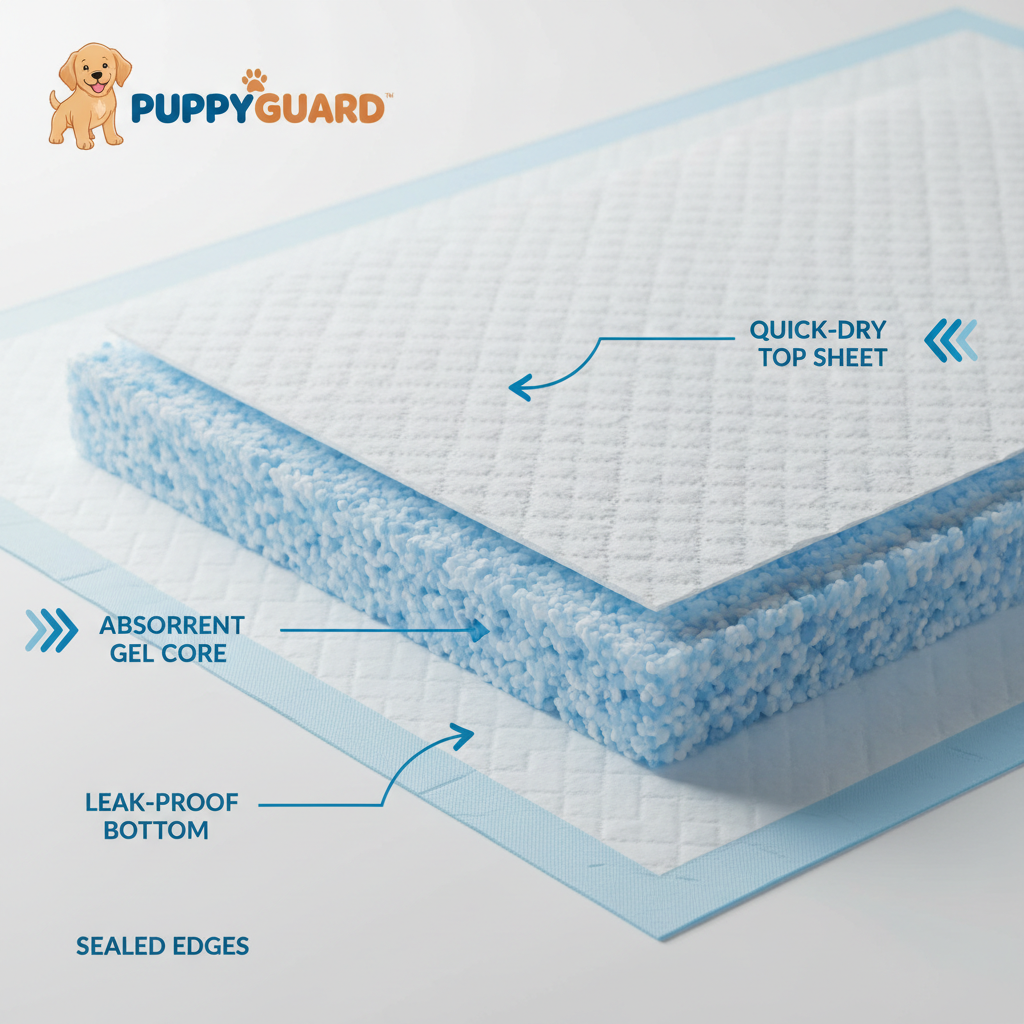
One more practical note: if your puppy shreds pads, prioritize durability and a holder. In many homes, the “best” pad is simply the one your puppy can’t turn into confetti.
Quick comparison table: common sizes and who they fit
Pad labels vary by brand, but these ranges are typical. Use this as a decision shortcut, then confirm exact dimensions before buying.
| Pad size (typical) | Best for | Common trade-off |
|---|---|---|
| Standard (about 22" x 22") | Very small breeds, short daytime use | Edge misses, more frequent changes |
| Large (about 23" x 28") | Most small-to-medium puppies | May still slide or feel “tight” in playpens |
| Extra large (often 28" x 34" or bigger) | Apartment setups, clumsy squatters, pen coverage | Higher cost per pad, needs more floor space |
| XXL / Giant (varies widely) | Large breeds, multi-dog areas | Storage bulk, may encourage “free potty zone” |
Self-check: do you actually need extra-large pads?
If you’re unsure whether to size up, this checklist usually makes it obvious.
- Your puppy hits the pad but pees off the edge at least a few times a week.
- You see paw tracks leading away after they go.
- The pad shifts or bunches, and your puppy looks confused mid-squat.
- You rely on pads in a playpen or apartment and need more “safe coverage.”
- You have a fast-growing puppy and keep “outgrowing” your setup every couple weeks.
If none of these are happening and your puppy consistently targets the pad, sticking with large or standard sizes might be fine. Bigger isn’t automatically better if it makes your dog think the whole corner is a toilet forever.
Setup that makes pads work: placement, anchoring, and routine
Most people buy better pads and keep the same messy setup, then wonder why nothing changes. The physical layout matters as much as the product.
Placement rules that reduce confusion
- Pick one spot and keep it there. Moving pads around often resets learning.
- Keep it away from food and water, but not hidden in a hard-to-reach corner.
- Start close to where your puppy already tends to go, then shift gradually if needed.
According to the American Kennel Club (AKC), consistency and timing are central to house training, including bringing your puppy to the right spot at the right moment. With pads, that “right spot” needs to stay predictable.
Make the pad stay put
- Use a pad holder or tray if slipping happens.
- If you use adhesive tabs, stick them to clean, dry flooring so they actually grip.
- In a playpen, place the pad under a grate-style holder so chewing is less tempting.
A simple routine that helps your puppy connect the dots
- Bring your puppy to the pad after waking, after play, after eating, and before bedtime.
- Quietly wait, then mark success with calm praise and a small reward.
- If they start to go off-pad, interrupt gently (a neutral “oops”), then place them on the pad.
This is also where puppy potty training pads can backfire if you’re inconsistent. If you sometimes allow “anywhere in the laundry room,” you’re basically teaching “anywhere is fine.”
Practical scenarios: what to do when things still go wrong
Even with extra-large pads, a few patterns show up again and again. Here’s how to troubleshoot without spiraling.
They use the pad, but always the edge
- Rotate the pad so the “favorite edge” isn’t next to a wall.
- Try a holder with a raised border to block runoff.
- Reward only when the pee lands closer to the center, not for edge hits.
They shred or drag the pad
- Switch to a tray/holder, or a heavier-duty pad marketed as tear-resistant.
- Add a chew-appropriate toy nearby, sometimes shredding is boredom.
- If it escalates, limit access and reintroduce pads during supervised potty times.
They avoid the pad completely
- Check for strong fragrances, some dogs dislike scented products.
- Make sure the pad isn’t near loud appliances or a high-traffic doorway.
- Use a small piece of a previously used pad on top to add a familiar scent cue.
If you’re transitioning from outdoors to indoors (or back), expect confusion. Many people need a short “bridge” phase where outdoor trips stay primary and pads act as backup, not the main plan.
Safety, cleanliness, and common mistakes to avoid
Indoor potty setups come with real hygiene considerations. Nothing extreme, but worth being intentional.
- Change frequency: Leaving a soaked pad too long increases odor and tracking, and some puppies start avoiding it.
- Floor protection: If you have hardwood, consider a waterproof mat under the holder to prevent seepage.
- Cleaning nearby misses: Use an enzymatic cleaner, not ammonia-based cleaners, which can smell like urine to dogs.
- Don’t punish accidents: According to the ASPCA, punishment can make house training harder by creating fear around elimination.
Health note: if accidents suddenly increase, or you see straining, blood, excessive thirst, or frequent small pees, it could be a medical issue such as a urinary tract concern. In those situations, it’s safer to check with a veterinarian rather than assuming it’s “just training.”
Key takeaways and next steps
Extra-large pads tend to help when the real issue is coverage, slipping, or playpen use, not when a puppy has zero routine. Once you lock in placement and timing, the bigger surface simply makes success easier to repeat, and repetition is what teaches the habit.
- If you’re seeing edge misses: size up and add a holder.
- If you’re seeing tracking: prioritize quick-dry tops and faster pad changes.
- If your puppy seems confused: stop moving the pad, tighten your schedule, and reward clean hits.
If you want one action today, measure your current potty area, then buy pads that truly fit that space instead of squeezing a “close enough” size. That single step fixes a surprising number of headaches.
FAQ
Are extra-large puppy pads better for potty training?
Often, yes, but mainly because they reduce misses and frustration. Training still depends on a consistent schedule and rewarding the right behavior, the pad size just makes success easier.
How many times a day should I change a puppy pad?
It depends on your puppy’s age and how often the pad is used. Many households swap after each poop and after any heavy soak, because odor and tracking become the next problem fast.
Why does my puppy pee right next to the pad?
Common reasons include the pad shifting, the spot changing, or your puppy associating that corner with toileting but not the pad itself. Anchoring the pad and guiding them there at predictable times usually helps.
Can puppy potty training pads confuse my dog about going outdoors?
They can, especially if pads become a permanent “anytime bathroom.” If your end goal is outdoor potty, use pads as temporary management and keep outdoor trips frequent and rewarding.
What’s the best way to stop my puppy from shredding pads?
A holder or tray is the biggest fix because it removes the fun of grabbing edges. If shredding continues, limit access and offer legal chew options, some puppies treat loose pads like toys.
Do scented pads help puppies find the right spot?
Sometimes, but it’s not guaranteed. Mild attractant scents may help a hesitant puppy, while strong fragrances can make some dogs avoid the area, so it’s a trial-and-observe situation.
Are puppy pads safe if my puppy chews them?
Chewing and swallowing pieces can be risky, so it’s better to prevent access with a holder and supervision. If you suspect ingestion or see vomiting or lethargy, contact a veterinarian promptly.
If you’re trying to make puppy potty training pads work in a small space, or you’re tired of “almost on the pad” accidents, an extra-large setup with a stable holder is usually the most low-drama upgrade you can make, and it gives you a cleaner baseline while training habits settle in.