
cat bed cave cozy options are made for cats that want a covered, low-traffic place to sleep, not another open cushion in the middle of the room.
If your cat keeps diving under blankets, hiding in closets, or choosing the cardboard box over the bed you bought, it usually means they’re looking for two things: warmth and privacy. A cave-style bed can meet both, without you constantly “setting up” a hideout.
This guide breaks down when a cave bed makes sense, how to choose one that your cat will actually use, what to watch for with heat and anxiety, and a simple setup routine that often improves adoption.
Why many cats prefer a cave bed (and when they don’t)
Cats are weirdly practical. If a spot feels safe, warm, and predictable, they return to it. A covered bed tends to work well for cats who get startled easily, live with kids or dogs, or simply enjoy sleeping “out of sight.”
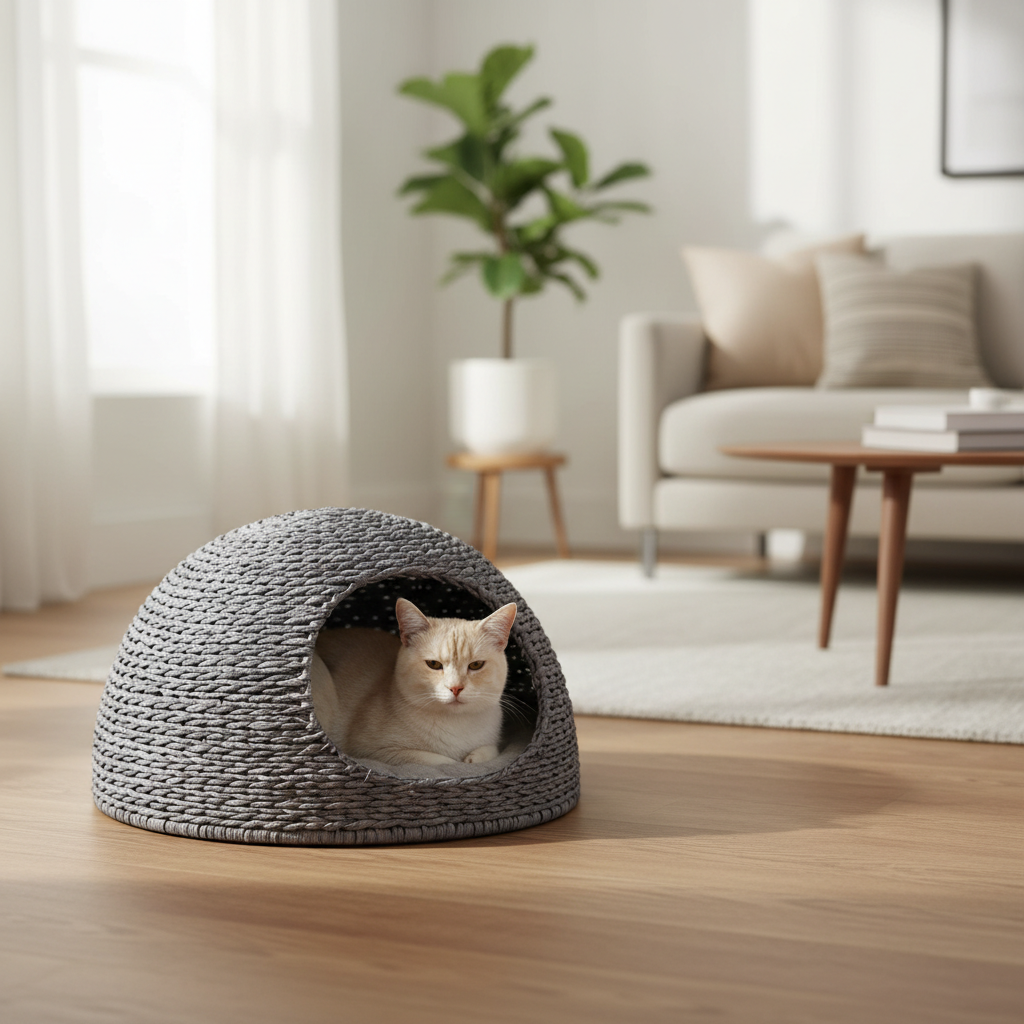
Common reasons a cave bed gets chosen over an open bed:
- Security: a “roof” reduces visual exposure, which can help timid cats settle.
- Warmth: the enclosed shape holds body heat, helpful for drafty homes.
- Noise buffering: fabric walls can slightly soften sudden sounds.
- Territory: one defined spot can reduce disputes in multi-cat homes.
But cave beds aren’t for every cat. Some cats dislike enclosed spaces, overheat easily, or want a wide view of the room. Older cats with arthritis may also avoid anything that requires “ducking” into an opening if it feels awkward.
Key point: a cave bed helps most when your cat already seeks covered places, it rarely “converts” a cat that only likes open perches.
Quick self-check: is a cat bed cave cozy style a good match?
Before you buy, take a minute to match the bed style to your cat’s real behavior. This saves money and avoids the classic “expensive bed, ignored forever” scenario.
- Your cat regularly sleeps under blankets, behind pillows, or in boxes.
- They retreat when the doorbell rings, guests arrive, or the vacuum comes out.
- They pick warm spots like sun patches, near vents, or next to you on the couch.
- They’re newly adopted, recently moved, or adjusting to another pet.
- They knead and nest before sleeping, like they’re “building” a little den.
If most of those are true, a cave bed is a reasonable bet. If your cat mainly sleeps on high cat trees, window hammocks, or the back of the sofa, you may get better results with an open bolster bed or a perch.
How to choose the right cave bed: size, structure, fabric
People often buy a bed based on how cute it looks. Cats don’t care. They care about fit, stability, and how the entrance feels. Here’s what usually matters most.
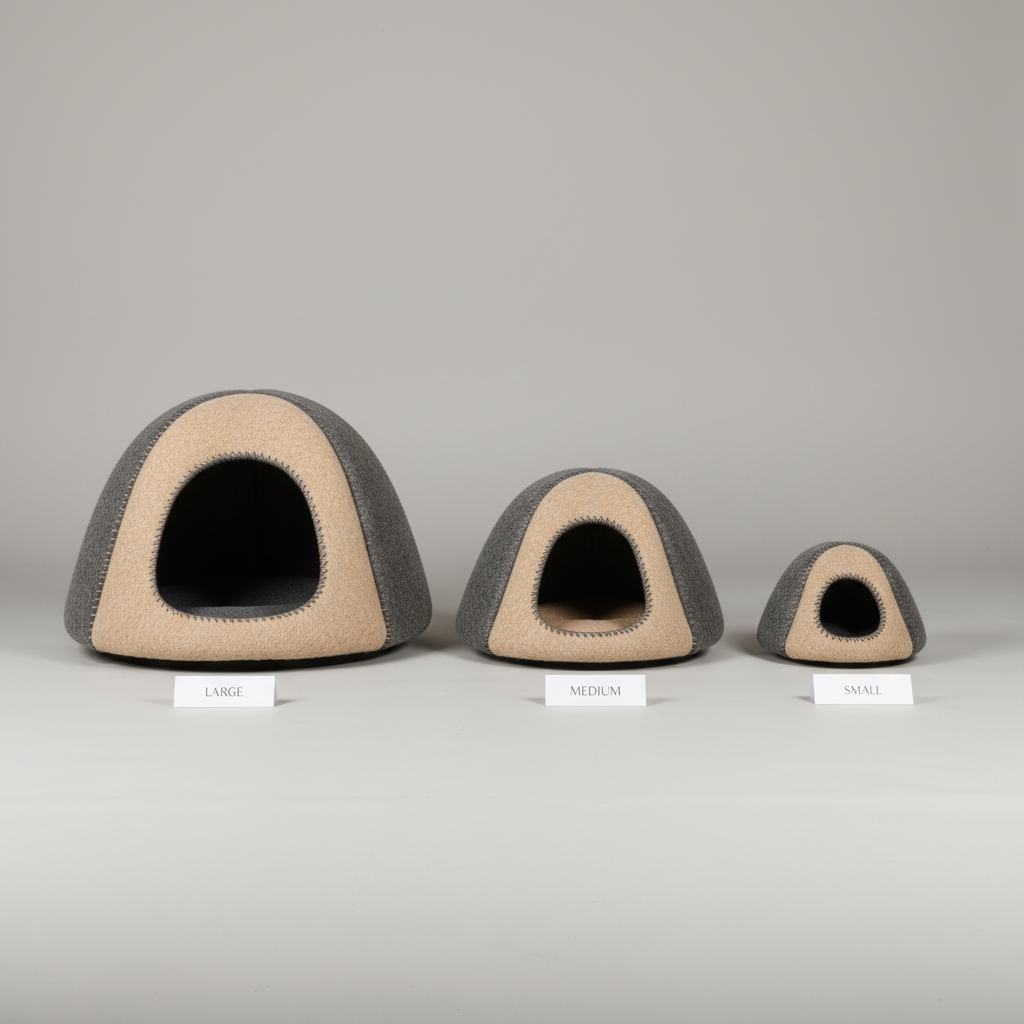
Pick the size using your cat’s sleep posture
- Curlers (tight donut sleepers): can size down, as long as the opening isn’t cramped.
- Stretchers (full-body sprawl): need a larger cave or a “half-cave” with a wider mouth.
- Big-boned cats: don’t force it, a too-small entrance is a dealbreaker.
A simple rule: you want the interior to feel like a snug nook, but the entrance should allow easy in-and-out without rubbing whiskers. Whisker stress is real for some cats, and tight openings can be a quiet reason they avoid the bed.
Structure: floppy vs. supported “roof”
- Supported cave (semi-rigid frame): keeps the opening open, often better for hesitant cats.
- Soft hood (floppy cover): can feel cozier, but some cats dislike the fabric touching their back.
If you’re unsure, the supported style tends to be the safer starting point, especially for first-time cave bed buyers.
Fabric and fill: comfort plus maintenance
- Plush/faux fur: warm and inviting, but it can trap shedding and may run hot in summer.
- Fleece or micro-suede: usually easier to clean, still cozy.
- Removable cushion: makes washing more realistic for everyday life.
According to the American Veterinary Medical Association (AVMA), good hygiene and parasite control are part of routine pet care, so washable materials matter more than people expect.
Placement: the underrated factor that decides everything
Many “my cat won’t use it” problems are really placement problems. Put a cave bed in the wrong spot and even a perfect cat bed cave cozy model gets ignored.
Try these placement guidelines:
- Quiet, low-traffic corner where your cat already rests.
- Avoid direct line-of-sight to busy hallways, litter boxes, or loud appliances.
- Keep it off cold tile if your home runs chilly, a rug underneath helps.
- Offer one “social” sleep option nearby (open bed) if your cat switches moods.
Small tweak that often works: angle the entrance toward a wall, not toward the room. It gives privacy while still allowing your cat to peek out.
Getting your cat to actually use it: a realistic 7-day intro
Some cats move in immediately, others need a slow “this is safe” introduction. The goal is to let the bed smell familiar and feel optional, not like a trap.
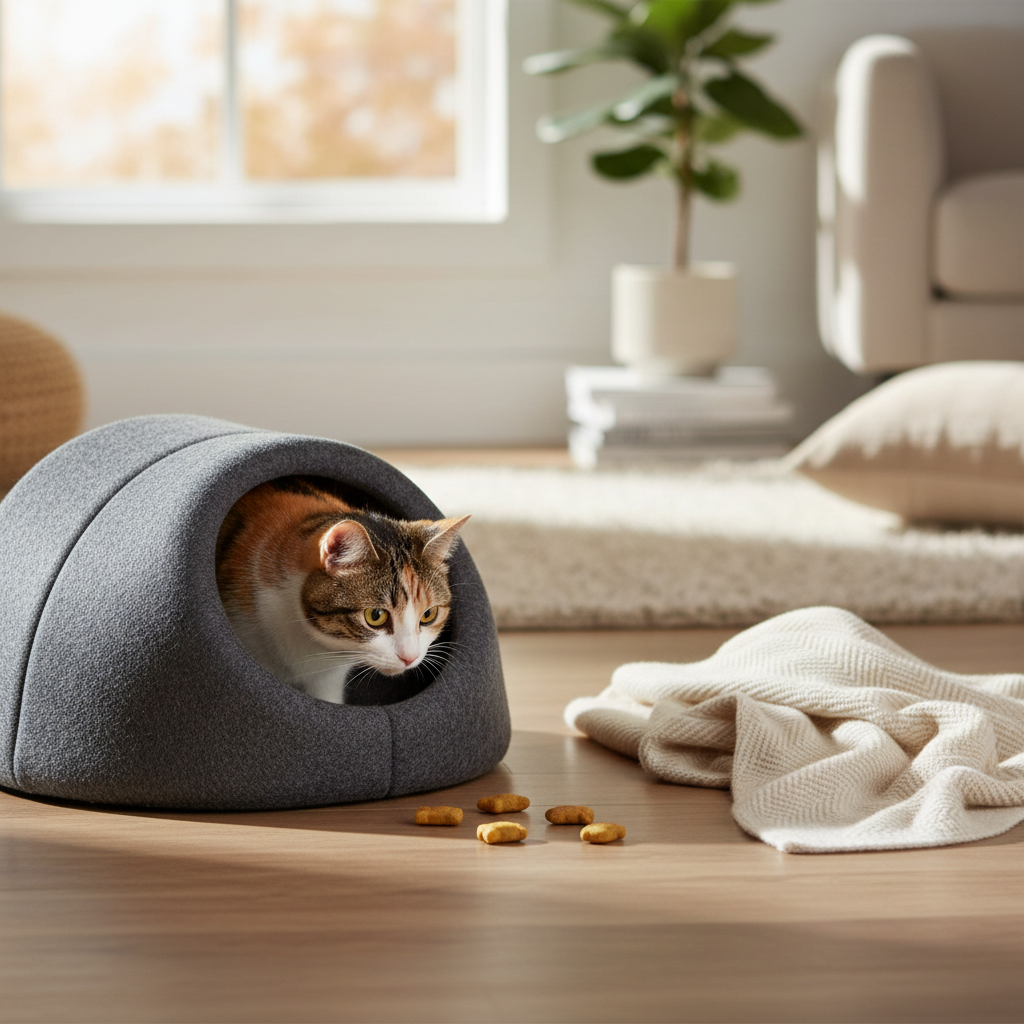
Day 1–2: Place the bed where your cat already relaxes, add a worn t-shirt or small blanket that smells like you.
Day 3–4: Toss a few treats near the entrance, not deep inside. Let your cat choose how close to get.
Day 5: Use a wand toy to guide a short play session that ends near the bed, then stop. Curiosity often kicks in after play.
Day 6–7: Move the bed only if needed, but keep changes small. If your cat sleeps near it, that’s already progress.
If your cat avoids it completely, don’t force them in. Forced “exposure” often backfires, especially for anxious cats.
Safety, comfort, and anxiety: what to watch for
Covered beds add warmth and privacy, but they also change airflow. In many homes this is fine, but keep an eye on comfort signals.
- Overheating signs: panting, restlessness, choosing cool surfaces instead of the bed.
- Stress signs: hiding for unusually long periods, reduced appetite, sudden litter box changes.
- Mobility concerns: stiffness, hesitation at the entrance, trouble turning around inside.
According to the American Association of Feline Practitioners (AAFP), stress reduction and environmental needs play a big role in feline well-being. A hideout can help, but if behavior changes feel intense or sudden, it’s worth discussing with a veterinarian or a qualified behavior professional.
Comparison table: common cave bed types (and who they suit)
Not all cave beds feel the same. Use this as a quick filter before you commit.
| Type | What it feels like | Best for | Watch-outs |
|---|---|---|---|
| Supported cave (frame) | Stable entry, consistent shape | Hesitant cats, seniors, first-time cave users | Frame may limit wash options on some models |
| Hooded bed (soft cover) | Extra snuggly, blanket-like | Blanket burrowers, winter naps | Cover can collapse and annoy some cats |
| Felted pod / igloo | Enclosed, den-like | Shy cats who love deep hideouts | Can run warm, entry may feel tight |
| Half-cave / convertible | Adjustable: open or covered | “Sometimes I hide, sometimes I sprawl” cats | May slide around if base lacks grip |
Practical buying checklist (save this before you shop)
If you want a quick, no-drama way to choose, this list covers the stuff that usually matters after the first week.
- Measure your cat (nose-to-rump, plus their usual sleep curl/sprawl style).
- Look for a non-slip bottom if you have hardwood or tile.
- Confirm washability: removable cushion, machine-wash instructions you’ll actually follow.
- Check the entrance height and width, especially for larger cats.
- Pick a fabric that matches your climate, a super plush cat bed cave cozy setup may be too warm in hot regions.
- Buy from a seller with clear return terms, in case your cat votes “no.”
Conclusion: what to do next
A cave bed works best when it matches what your cat already tries to create on their own: a warm, covered, predictable spot. If you choose the right size, keep the entrance comfortable, and place it where your cat already feels safe, adoption usually becomes much easier.
If you’re shopping today, pick one cave style that fits your cat’s posture, make sure it’s washable, then commit to a calm 7-day intro instead of constant moving and experimenting.
FAQ
How do I know if my cat will like a cave bed?
If your cat regularly hides under blankets, sleeps in boxes, or chooses covered corners, they’re already telling you they like that “den” feeling. Those cats tend to accept cave beds faster than cats who prefer high open perches.
What size cat bed cave cozy option should I buy for a large cat?
Look at the entrance first, then the interior. Many large cats reject caves because the opening brushes whiskers or shoulders. When in doubt, choose a wider-mouth cave or a convertible style.
My cat ignores the cave bed. Should I put treats inside?
Usually start with treats near the entrance, not deep inside. For some cats, reaching into a dark space feels risky. Let them build confidence step by step, then gradually move treats inward if they’re curious.
Are cave beds safe for kittens?
Most are fine if materials are sturdy and there are no loose strings or small parts that could be chewed. If your kitten tends to chew fabric or ingest fibers, ask your veterinarian what materials are safest for that habit.
Can a cave bed help with cat anxiety?
It can help in many cases by offering a predictable hideout, especially in busy households. If anxiety signs are strong or new, a bed alone may not be enough, professional guidance can be a better next step.
Where should I place a cave bed in a small apartment?
Pick the quietest corner you have, ideally away from the litter box and the front door. If space is tight, placing it next to a sofa or under a side table often gives that “protected” feeling without blocking your living area.
How often should I wash a cave bed?
It depends on shedding, allergies, and whether your cat goes outdoors. Many owners do a quick vacuum weekly and a wash every few weeks, but if you notice odor, dandruff buildup, or fleas are a concern, wash more often and follow your vet’s advice.
What’s the difference between an igloo bed and a hooded bed?
An igloo is more structured and enclosed, while a hooded bed feels like an open bed with a blanket-like cover. Cats that dislike fabric touching their back often prefer the structured option.
If you’re trying to pick a cat bed cave cozy setup without buying three versions first, focus on your cat’s current hiding habits, then choose a supported-entry cave in a washable fabric, it’s the most forgiving starting point for many households.