
How to treat hot spots on dogs starts with one simple goal: stop the self-trauma fast, then clean and dry the skin so it can calm down.
If you’ve ever noticed a suddenly raw, wet patch that seems to spread overnight, you already know why this matters, hot spots can go from “small irritation” to “angry, oozing mess” in a day because licking and scratching keeps resetting the wound.
Home care can help in many mild cases, but it’s not a contest of willpower between you and your dog. You’ll do better if you follow a calm, repeatable routine and know the signs that mean infection is likely and a vet visit saves time and discomfort.
One quick note before we get practical: hot spots often have a trigger, fleas, allergies, ear infections, matted coats, even a small scrape under a collar, so treating the skin without addressing the cause can turn into a loop.
What hot spots are (and why they spread so fast)
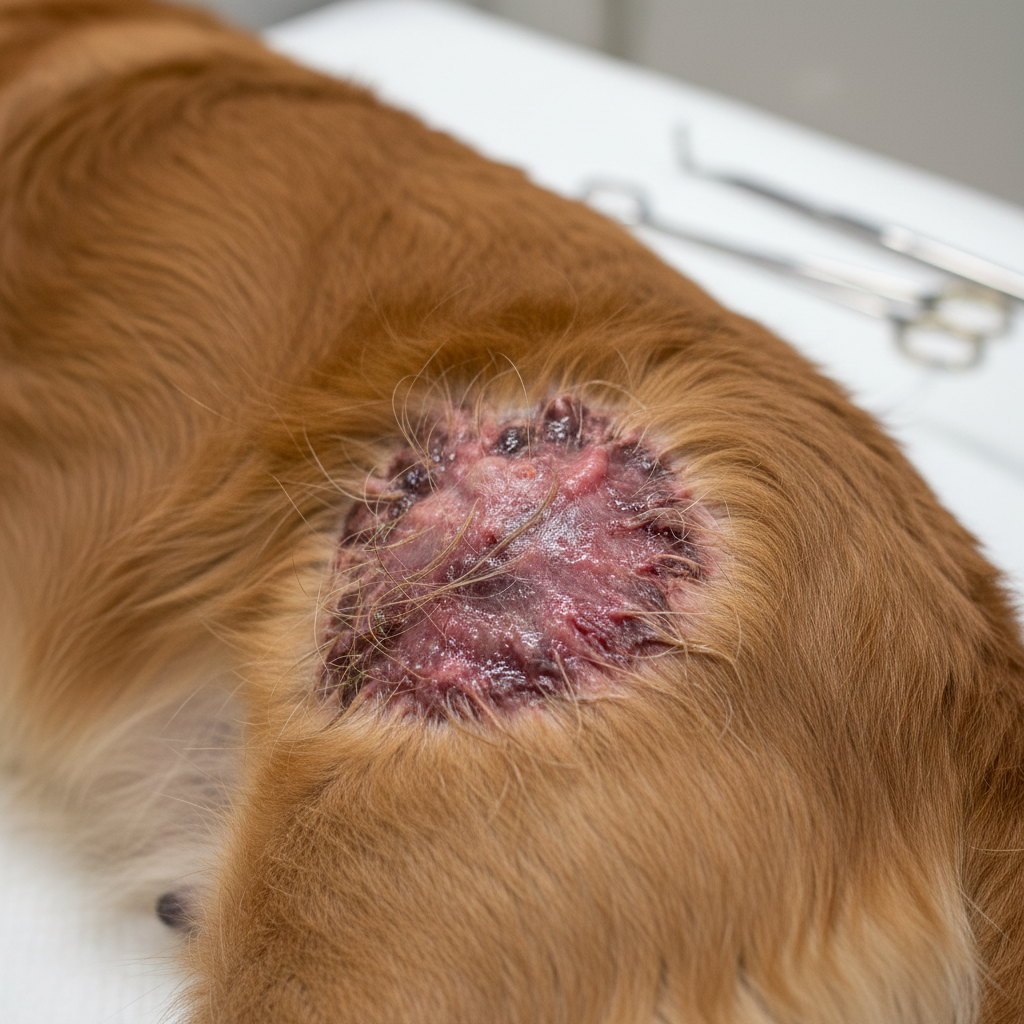
“Hot spot” is a common name for acute moist dermatitis, a localized area of inflamed, infected, or traumatized skin that stays damp and painful. The moisture matters because bacteria thrive, and the itch-pain cycle keeps the area open.
- Typical look: red, wet, shiny skin, hair loss around the patch, sometimes yellow crusting or oozing.
- Typical behavior: intense licking, chewing, scratching, sudden irritability when touched.
- Common locations: cheeks, neck, behind ears, hips, thighs, under collars, anywhere moisture gets trapped.
According to the American Veterinary Medical Association (AVMA), skin conditions are among the common reasons pets see veterinarians, and hot spots are a frequent “fast flare” problem owners notice at home. That tracks with real life: they look dramatic, quickly.
Why your dog got a hot spot (common triggers to check today)
Most hot spots have a spark plus fuel. The spark is irritation, the fuel is moisture and repeated licking. Here are triggers worth checking before you start treatment.
High-probability triggers
- Fleas or flea allergy: even a few bites can set off intense itching in sensitive dogs.
- Allergies: environmental or food-related itch often shows up seasonally or as recurring skin issues.
- Ear problems: head shaking and ear itch can create hot spots on cheeks/neck.
- Wet coat or matted fur: swims, baths, rain, humid weather, and thick undercoats trap moisture.
- Hot, tight spots: collars, harness rub, pressure points, minor cuts that get licked.
Why identifying the trigger helps
If you treat the lesion but ignore fleas, an ear infection, or a constantly damp coat, you’ll often see the same area flare again. This is where home care can feel “not working,” when the real issue sits upstream.
Quick self-check: is this safe to manage at home?
Use this checklist to decide whether home care makes sense or whether you’re likely dealing with something that needs prescription help.
- Likely OK to start at home: small area (roughly under 1–2 inches), your dog acts mostly normal, no heavy discharge, you can prevent licking, skin isn’t deeply open.
- Plan to call a vet soon: area larger than your palm, strong odor, thick yellow/green discharge, lots of swelling, significant pain, feverish behavior, or the spot keeps expanding.
- Go sooner rather than later: hot spots near eyes, on genitals, on the face with rapid swelling, or in dogs with other health issues (immune problems, uncontrolled allergies).
When you’re unsure, a quick call with photos often helps a clinic guide next steps, and can prevent you from using the wrong product.
Home treatment steps: clean, dry, protect (the routine that usually works)
If you want a practical answer to how to treat hot spots on dogs at home, this routine is the core. Expect to repeat it 1–2 times daily for a few days in mild cases.
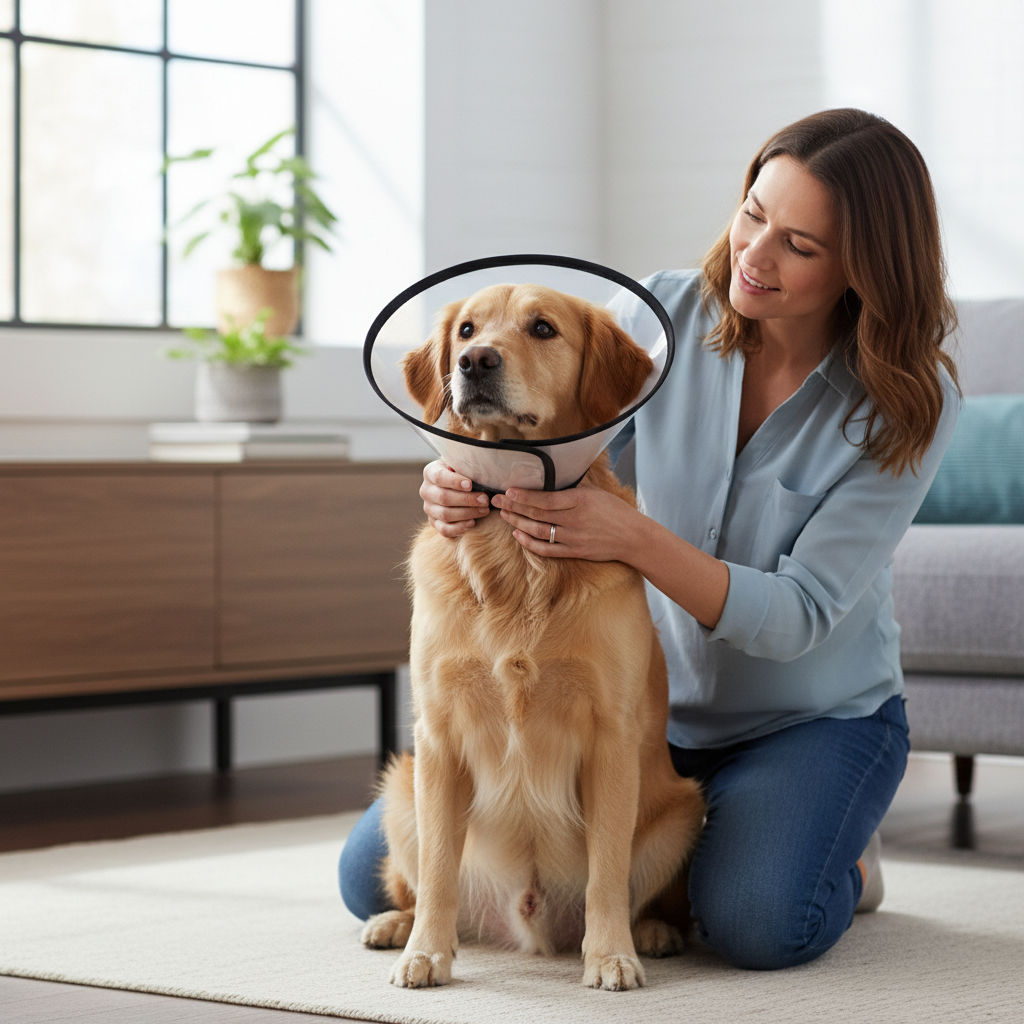
Step 1: Stop licking and scratching immediately
This is non-negotiable. If your dog can keep chewing, the spot won’t calm down.
- E-collar (cone): usually the most reliable option for 3–5 days.
- Inflatable collar: works for some dogs and some body locations, not all.
- T-shirt or recovery suit: can help for torso areas, but trapped moisture can backfire, check frequently.
Step 2: Clip hair around the lesion (if you can do it safely)
Airflow is your friend. If fur mats over the area, moisture stays trapped.
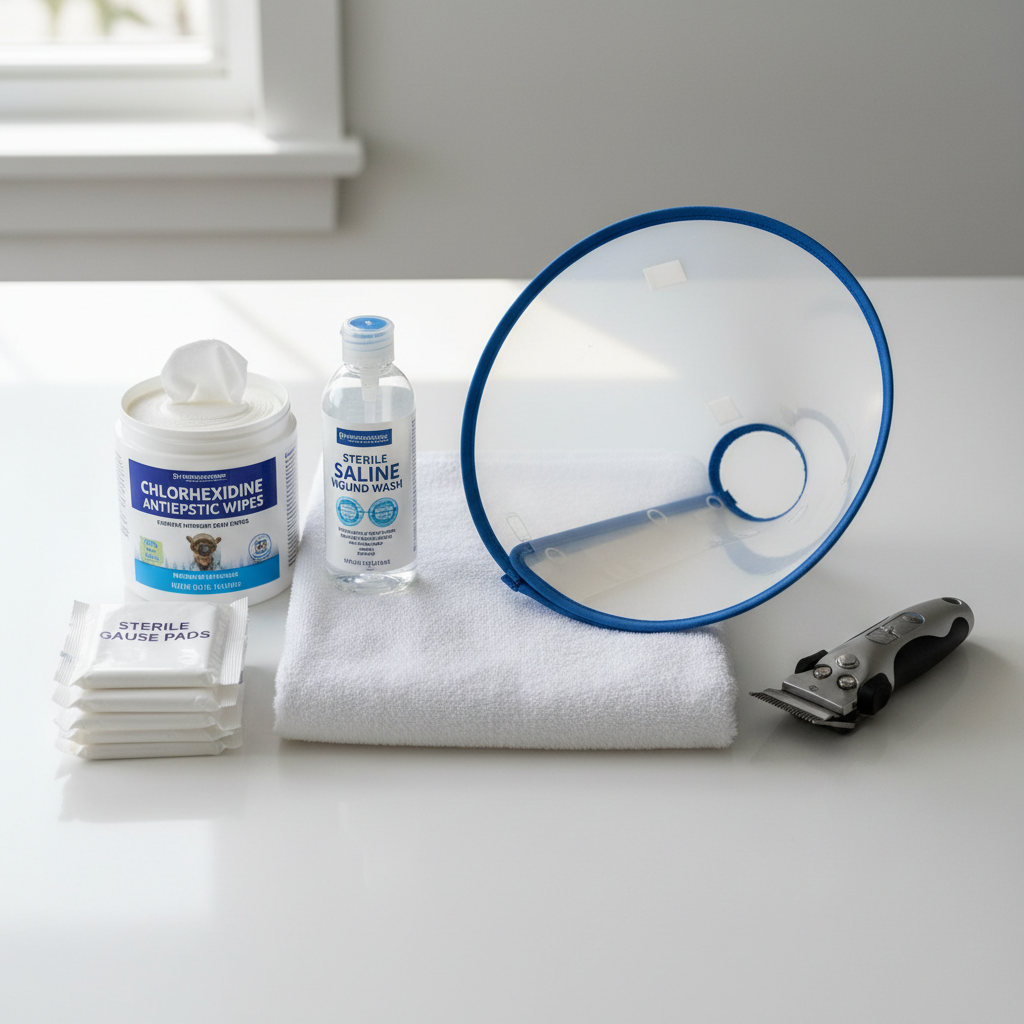
- Use electric clippers if available, scissors can nick already-inflamed skin and turn one problem into two.
- Clip a margin around the spot so you can see the edges and keep it clean.
- If your dog won’t tolerate clipping, skip the fight and focus on cleaning and blocking licking, then talk with your vet or groomer.
Step 3: Clean with a pet-safe antiseptic
Rinse and cleanse gently, don’t scrub. Many vets commonly recommend chlorhexidine solutions or wipes for superficial skin issues, but product choice and concentration vary, so read labels and avoid anything not intended for pets.
- Flush with saline (or clean lukewarm water) to remove debris.
- Apply the antiseptic with gauze or cotton pad, blot rather than rub.
- Avoid: hydrogen peroxide, alcohol, essential oils, harsh soaps, they can delay healing or sting enough that your dog panics.
Step 4: Dry thoroughly
Moisture keeps the cycle alive. Pat dry, then let the area air out.
- Use a clean towel or gauze.
- Skip heavy ointments that seal moisture in unless your veterinarian instructs you to use them.
Step 5: Consider an anti-itch plan (carefully)
Itch control is what makes home care “stick.” But this is the area where owners can accidentally choose unsafe human meds or wrong doses.
- Topical options: pet-formulated anti-itch sprays may help mild itch, but avoid applying products your dog can lick off.
- Oral meds: talk to a vet before using anything human, even common antihistamines, because dosing and suitability depend on size, other conditions, and interactions.
According to the U.S. Food and Drug Administration (FDA), pet owners should be cautious with medications and consult veterinary professionals when unsure, especially since some human products can be harmful to animals.
A simple “what to do” table (based on what you’re seeing)
| What you notice | What it often suggests | What to do next |
|---|---|---|
| Small, pink-red moist patch, minimal discharge | Early hot spot, mild secondary irritation | Clean + dry 1–2x/day, prevent licking, monitor edges |
| Spreading fast, very painful, thick ooze or crust | Likely infection requiring prescription therapy | Call vet, continue cone, avoid random creams |
| Strong odor, swollen skin, dog seems unwell | Deeper infection possible | Seek veterinary care promptly |
| Repeated hot spots in same season | Allergies, fleas, chronic ear/skin triggers | Ask vet about prevention plan, flea control, allergy workup |
Common mistakes that slow healing (even when you mean well)
Most setbacks come from one of these. They’re understandable, but they keep the lesion angry.
- Skipping the cone: “He only licks when I’m not watching” still counts.
- Over-washing: aggressive scrubbing can inflame tissue, gentle cleaning wins.
- Using harsh disinfectants: alcohol and peroxide sting, and can damage healthy cells.
- Applying thick ointment on a wet lesion: trapping moisture can worsen the situation.
- Not addressing fleas: treating skin while fleas stay active often fails.
When to involve your veterinarian (and what they may do)
Home care is a reasonable starting point for mild cases, but many situations move faster with professional help.
- If there’s pus, odor, or rapid spread: your dog may need prescription topical meds and sometimes oral antibiotics or anti-inflammatories.
- If pain is significant: pain control matters, and a vet can rule out deeper infection.
- If hot spots keep returning: the long-term fix often involves flea prevention, allergy management, ear treatment, coat care changes, or a combination.
According to the American Animal Hospital Association (AAHA), preventive care and timely veterinary evaluation help address underlying issues that drive recurring skin problems, not just the visible flare.
Practical prevention tips (so you don’t keep repeating this)
Once the area calms down, prevention is where you get your time back. Many dogs prone to hot spots do well with a few habits.
- Keep coats dry: after swimming or bathing, dry down to the skin, especially thick-coated breeds.
- Stay consistent with flea control: talk with your vet about an appropriate product for your region and dog.
- Check ears weekly: recurring ear irritation often shows up as face/neck hot spots.
- Brush out mats: mats trap moisture and pull skin, which invites licking.
- Watch the collar zone: adjust fit, clean collars, and rotate harness/collar use if rubbing appears.
Key takeaways you can use today
- Break the lick-itch cycle first, an e-collar often makes the biggest difference.
- Clean gently and dry thoroughly, moisture management matters as much as antiseptic.
- Escalate fast if the spot spreads, smells, oozes heavily, or your dog seems unwell.
- Look for the trigger like fleas, ear issues, allergies, or a wet/matted coat.
Conclusion: a calm routine beats random products
Most people searching how to treat hot spots on dogs want a safe, realistic plan they can start now, and that plan usually looks like: prevent licking, clip for airflow if safe, cleanse with a pet-safe antiseptic, dry well, then watch closely for red flags. If you see rapid spread, significant pain, odor, or heavy discharge, it’s worth involving your veterinarian early, it often shortens the whole episode.
If you want one action step, put the cone on first, then clean and dry the area twice daily for the next 48 hours, and take a photo each day so you can tell whether it’s truly improving.