
Dog crate bed soft sounds simple, until the bed slides around, the cover pills after two washes, or the “cozy” fill turns into a flat pancake in the spot your dog actually uses.
If you’re shopping for a soft crate bed with a washable cover, you’re really trying to balance three things at once: comfort, easy cleaning, and durability in a tight space. The crate adds friction points most regular dog beds never face, corners that rub, doors that snag, and dogs that dig at seams.
This guide breaks down what makes a soft crate bed work in real homes, how to choose the right cover fabric, what to measure so it fits without bunching, and how to wash it without ruining the loft.
What “soft” really means in a crate bed (and why some feel soft but fail)
In practice, “soft” is a mix of surface feel plus how the bed supports your dog’s weight over time. A fluffy top can feel great in the store, then compress fast once it lives inside a crate.
Common constructions you’ll see:
- Fiberfill pillow style: very plush at first, often the quickest to flatten, especially for medium-to-large dogs.
- Egg-crate foam: feels less “cloud-like,” but holds shape better, usually a safer bet for longer crate time.
- Orthopedic foam slab: supportive and stable, but can feel firm unless the top layer has a soft quilted cover.
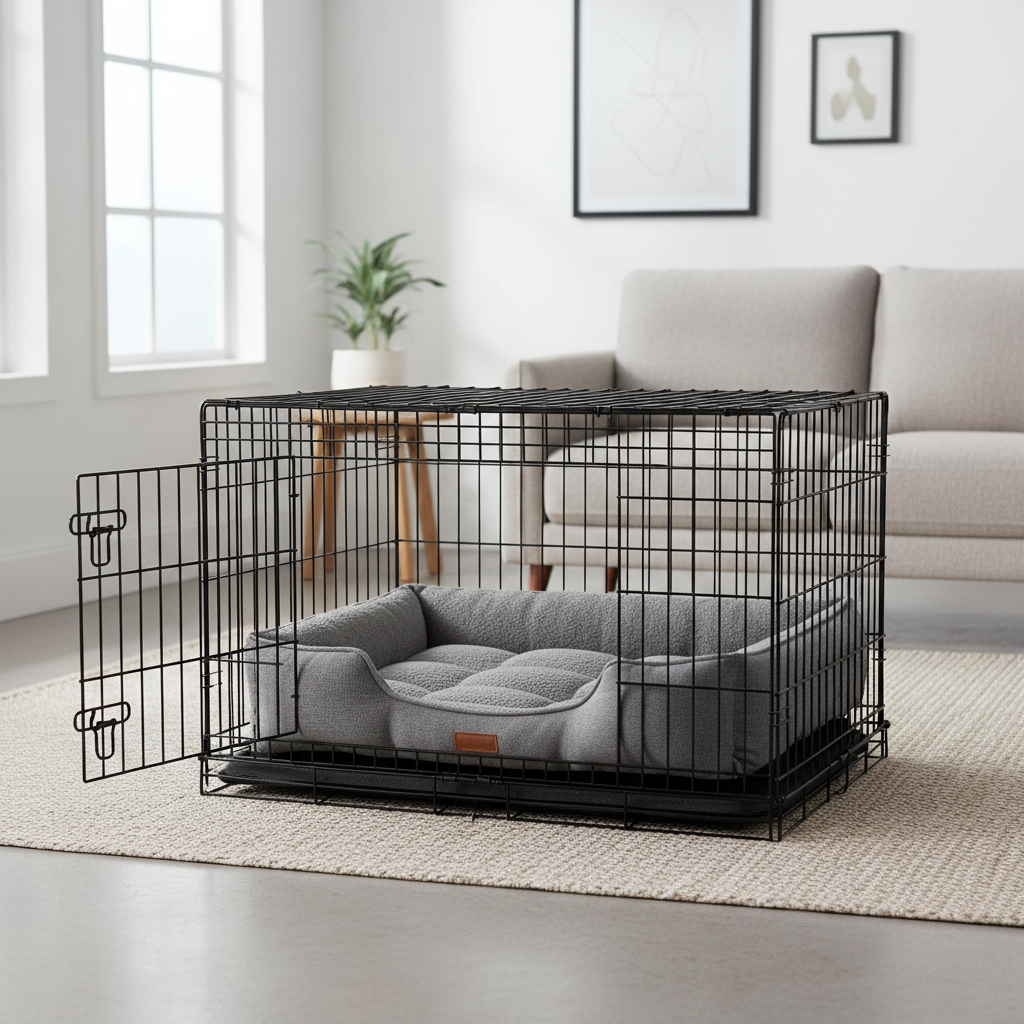
- Bolstered crate beds: cozy head-resting edges, but can reduce usable space in smaller crates and sometimes interfere with the door.
A dog crate bed soft enough for comfort still needs structure, otherwise you end up laundering a bed that never quite rebounds, and your dog migrates to the crate tray instead.
Why washable covers matter more than you think
Crate bedding gets dirty in predictable ways: drool at the front, paws tracking dust, “crate funk” from trapped air, and occasional accidents. A removable cover changes the whole workload because you can wash the part that smells without washing the entire insert every time.
It also matters for skin comfort. According to American Kennel Club (AKC), bedding should be comfortable and also kept clean and dry to help your dog rest well and avoid irritation. That sounds obvious, but a cover that dries quickly is often the difference between “washed today” and “still damp tomorrow.”
Two cover details that usually pay off:
- Hidden zipper + zipper garage: reduces chewing temptation and prevents scratchy edges.
- Separate inner liner: helps protect foam from accidents, even when the outer cover is washable.
Quick fit check: measure once, avoid the annoying bunching
Crate beds fail fit tests in two ways: too big so the edges curl and the door catches, or too small so the bed slides and your dog ends up half on plastic.
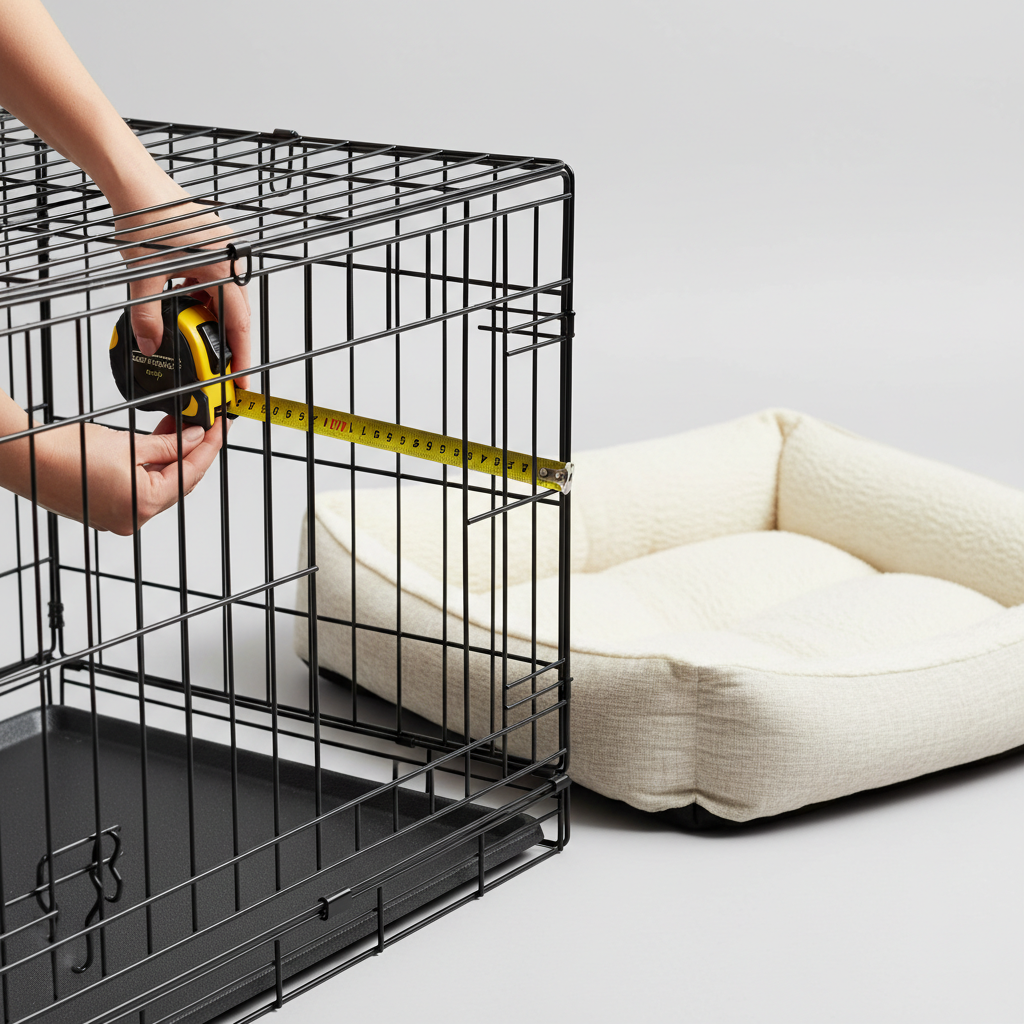
Use the crate’s interior measurements, not the size printed on the box. Then decide how “snug” you want it:
- Snug fit: bed is 0–0.5 in smaller than interior length/width, minimizes sliding.
- Easy fit: bed is 0.5–1.5 in smaller, easier to pull out, a bit more movement.
If your dog is a digger, snug usually wins. If your dog is anxious and you remove bedding often, easy fit can be less frustrating day-to-day.
Crate bed sizing cheat sheet (typical scenarios)
| Situation | What to prioritize | Common choice |
|---|---|---|
| Dog spins, then flops hard | Stable base, non-slip bottom | Egg-crate foam + grippy base |
| Dog runs hot | Breathable cover, thinner loft | Cotton blend or performance fabric cover |
| Senior dog, stiff joints | Support, pressure distribution | Orthopedic foam + soft quilted top |
| Puppy accidents likely | Water-resistant inner liner | Removable cover + waterproof layer |
| Chewer/digger | Tough seams, fewer loose parts | Low-profile bed, reinforced stitching |
How to choose the right cover fabric for comfort and durability
Fabric is where comfort and maintenance collide. People often pick the plushiest option, then regret it once it starts trapping hair and holding onto odors.
- Microplush / faux fur: very cozy, but can mat and cling to hair; better for light shedders and gentle sleepers.
- Canvas / denim-like weaves: holds up well, less “soft-touch,” but can be surprisingly comfortable with a padded top panel.
- Quilted polyester: a common middle ground; usually easier to wash, can pill depending on quality.
- Performance fabrics: designed to resist stains; great for messy dogs, but check breathability if your dog overheats.
If your main goal is dog crate bed soft comfort without constant cover replacement, look for a “soft top, tough sides” build. The sides are what rub the crate and take the beating.
Washing the cover without ruining the bed: a practical routine
Most washable covers are technically machine-washable, but “machine-washable” doesn’t always mean “will still fit and feel the same.” Shrinkage and pilling usually come from heat and friction.
Try this routine as a baseline, then follow the product label if it differs:
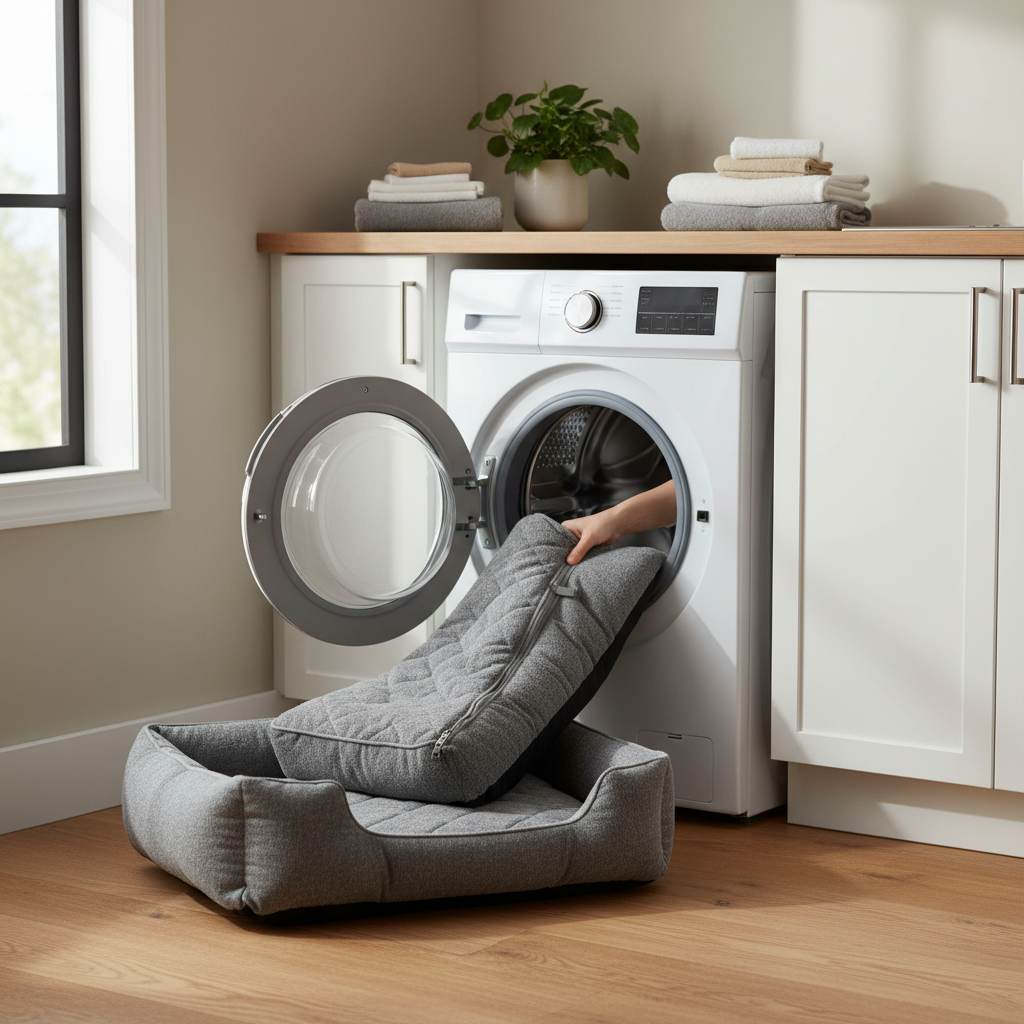
- Shake out hair outside first, or use a rubber glove to lift fur, it reduces washer clogging and improves cleaning.
- Zip the cover closed to protect the zipper teeth and seams.
- Cold or warm wash with a mild detergent; skip heavy fragrance if your dog has sensitive skin.
- Low heat or air dry; high heat is where many covers lose size and softness.
For odor, avoid overdoing additives. According to ASPCA, some household cleaners and strong chemicals can be irritating or unsafe for pets; if you’re using boosters like vinegar or oxygen bleach, use small amounts and rinse thoroughly. If your dog has recurring skin issues, it’s worth asking your veterinarian what laundry products are least likely to trigger irritation.
Key points that save the most hassle
- Buy a second cover if your dog crates daily, downtime matters when one is in the wash.
- Spot-clean fast, old stains “set” and become a permanent project.
- Don’t ignore the insert, even with a washable cover, the inside needs airing to prevent lingering odor.
Troubleshooting common problems (sliding, flattening, chewing)
Most crate bed complaints come down to a handful of patterns, and the fix is usually boring but effective.
1) The bed slides or bunches
- Switch to a grippy bottom or add a thin non-slip mat underneath.
- Go slightly smaller for a snugger fit, especially in wire crates.
- If you use blankets on top, tuck them tight so they don’t “pull” the bed with movement.
2) It goes flat in the favorite spot
- Choose foam with enough thickness for your dog’s weight, many medium dogs do better with a supportive core.
- Rotate the insert weekly if it’s symmetrical.
- Don’t overdry on high heat, it can damage some fills and make them clump.
3) Your dog chews the cover seams or zipper
- Use a cover with a hidden zipper, less to grab.
- Consider a lower-profile bed with fewer edges if chewing is persistent.
- If chewing looks like anxiety or boredom, talk with a trainer or veterinarian; sometimes the “bed problem” is really a routine problem.
When to upgrade to orthopedic support (and when “soft” is enough)
Softness is comforting, but support can matter more for some dogs, especially older dogs, larger breeds, or dogs recovering from injury. You don’t need to self-diagnose, but you can watch for signals.
Consider more support if you notice:
- Slow rising, stiffness after naps, or reluctance to lie down
- Switching positions often as if they can’t get comfortable
- Choosing hard surfaces over the bed (counterintuitive, but common)
If these patterns show up, an orthopedic insert with a softer washable cover can be a better combo than chasing the plushiest option. If your dog has pain, mobility concerns, or a recent surgery, it’s safer to ask a veterinarian which bedding type is appropriate for crate rest.
Practical buying checklist before you click “Add to cart”
Here’s the short list I’d actually use to avoid the most common disappointments.
- Cover removes easily and has a zipper that won’t sit right at the edge
- Washing instructions allow low heat or air dry, and you’re willing to follow that
- Insert type matches your dog’s weight and sleep style (foam for support, fiberfill for extra plush feel)
- Non-slip base if the crate sits on slick flooring
- Seams feel reinforced, especially at corners
- Spare cover availability if your dog crates daily
When a dog crate bed soft option checks these boxes, you usually get that “cozy and clean” balance without turning laundry into a weekly negotiation.
Conclusion: a soft crate bed can stay soft if you set it up right
The best results usually come from matching the bed to how your dog actually uses the crate, then protecting your time with a cover that washes and dries without drama. Comfort matters, but so does fit, fabric choice, and a washing routine that doesn’t cook the material.
If you want one next step, measure your crate interior today and decide whether you need plush comfort, more support, or simply a tougher washable cover. That single decision narrows the shopping chaos fast.
FAQ
What size should a crate bed be for a standard wire crate?
Use the crate’s interior measurements, then choose a bed that’s slightly smaller so it lays flat and the door won’t snag. Many people do best with a snug fit to reduce sliding.
How often should I wash a washable crate bed cover?
It depends on shedding, drool, and outdoor time, but a common rhythm is every 1–2 weeks, with spot-cleaning in between. If odor builds quickly, the cover fabric may be trapping oils and hair.
Will a soft crate bed make my dog overheat?
It can, especially with thick faux fur or very plush fills. If your dog pants heavily at rest or seeks cooler surfaces, try a more breathable cover and a slightly lower-loft insert.
What’s better: plush cover or canvas cover?
Plush feels cozier, canvas often lasts longer. A lot of owners land on a hybrid: soft quilted top for comfort, tougher sides for crate wear.
How do I stop the crate bed from sliding around?
Look for a grippy bottom, size it snug, and avoid layering loose blankets that tug the bed. On tile or hardwood, a thin non-slip pad under the bed often helps.
Is it safe to use stain removers or odor eliminators on the cover?
Some are fine, some can irritate pets. Use mild products, rinse well, and avoid strong fragrances. If your dog has skin sensitivities, a veterinarian can suggest safer options.
My dog chews the zipper, should I remove the bed?
If chewing is persistent, a hidden zipper design or a simpler mat-style bed can reduce temptation. If chewing seems anxiety-driven, it may be worth discussing crate training approach with a trainer or veterinarian.
If you’re trying to narrow choices quickly, focus on a washable cover you’ll realistically launder, a fit that won’t bunch in the crate, and the right level of support for your dog’s body, that combo usually beats chasing the fluffiest photo online.