
Best dog treats for training are the ones your dog will work for repeatedly, without slowing you down or upsetting their stomach, and that sounds simple until you’re standing in an aisle holding five “high-value” bags that all claim the same thing.
If your sessions stall, it’s often not your timing or your cues, it’s the reward, treats that crumble, take too long to chew, smell too weak, or are so big your dog fills up after ten reps.
This guide breaks down what “training-friendly” really means in 2026, how to match treat type to your dog and your goal, and what to look for on labels so you’re not guessing mid-session.
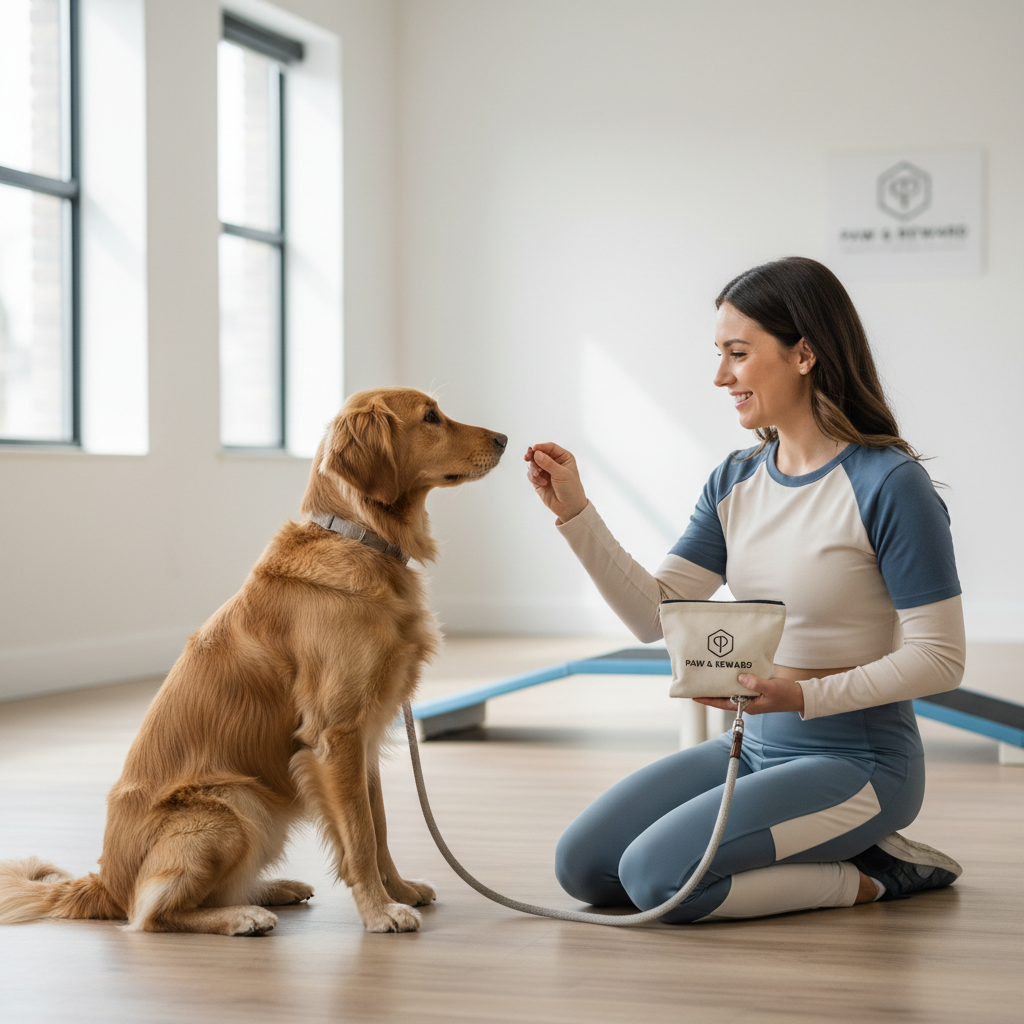
What makes a treat “good for training” (it’s not just taste)
In real sessions, the best rewards have a few practical traits, you feel them immediately when you’re trying to get 20 clean reps in under two minutes.
- Small and fast to eat, so reinforcement stays tight and you can mark behavior without a long chew break.
- High aroma, especially outdoors or around distractions, smell often beats size.
- Low mess, minimal crumbs, oil, or sticky residue that turns your pocket into a science project.
- Consistent texture, easy to break into pea-size pieces without powdering.
- Digestibility, because frequent rewards magnify any ingredient mismatch.
According to the AVMA (American Veterinary Medical Association), using rewards is a core part of positive reinforcement training, and food is a common, effective reinforcer, the practical takeaway is that reward delivery has to be quick and repeatable for learning to stick.
Quick self-check: which training treat profile do you need?
Before you shop, pick the problem you’re solving, it narrows choices fast and saves money on “maybe” bags.
If your dog loses focus easily
- Lean toward soft, smelly, high-value options (meaty or fishy tends to carry well).
- Use tiny pieces, reward more often, keep calories controlled.
If your dog gets tummy trouble or has allergies
- Prefer limited-ingredient treats, one protein, short ingredient list.
- Avoid sudden switches, introduce gradually, and consider asking your vet if symptoms repeat.
If you train in summer or keep treats in a pouch
- Choose low-grease, semi-moist but not oily, or baked treats that don’t melt.
- Bring a small cooler for truly fresh options (cheese, hot dog) if safe for your dog.
If you’re working on duration (stay, place, leash manners)
- Use medium-value treats for steady reinforcement, reserve “jackpot” rewards for breakthroughs.
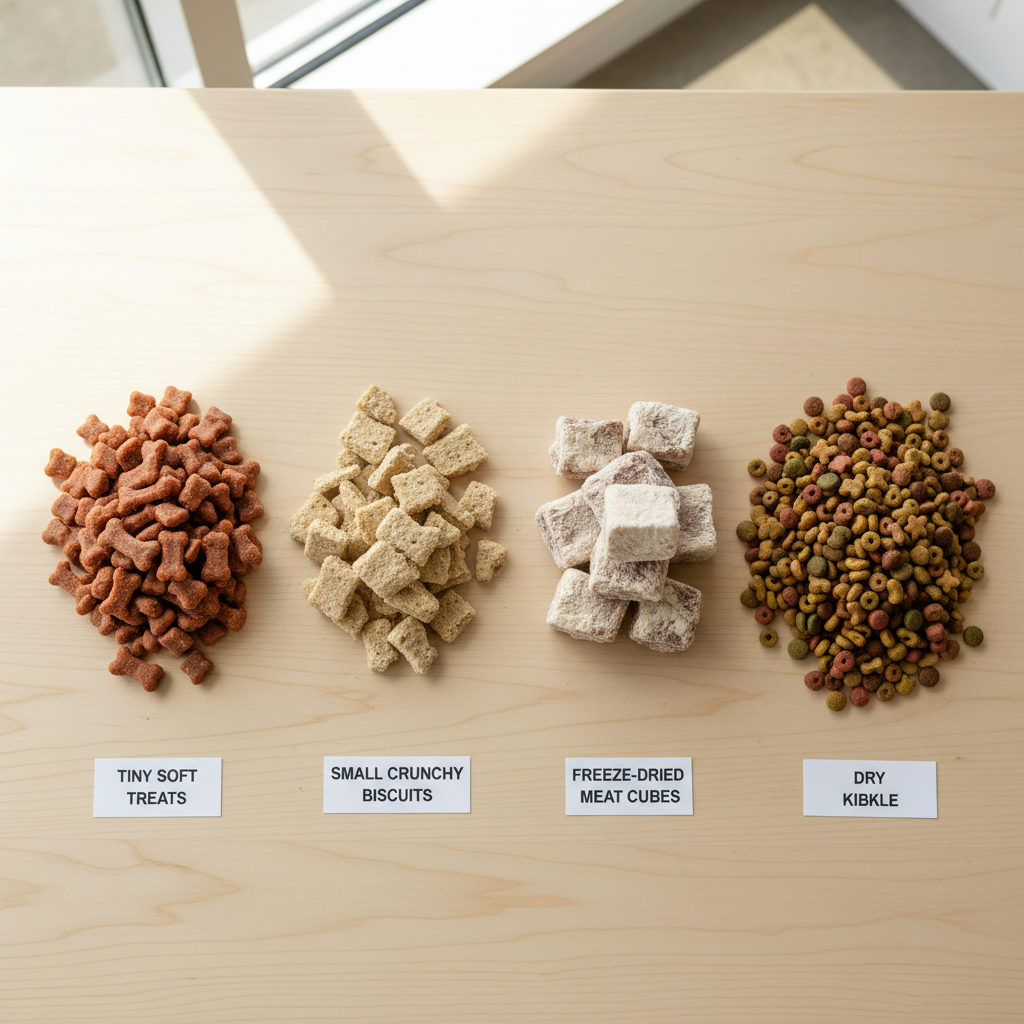
Types of training treats: pros, cons, and best use cases
There’s no universal winner, the “best dog treats for training” change depending on location, distraction level, and how many reps you plan to do.
- Soft training bites: fast chewing, strong scent, great for basics and distractions, can be messier in pouches.
- Freeze-dried meat: very high value, breaks into tiny bits, usually simple ingredients, can crumble and cost more.
- Crunchy mini treats: clean handling, shelf-stable, lower odor, may slow down training if too hard or large.
- Kibble used as treats: budget-friendly, consistent diet, great for “easy reps”, often not high enough value outdoors.
- Human-food rewards (cheese, chicken): extremely motivating, easy to size, must be portioned carefully, and some dogs react to rich foods.
According to the AKC (American Kennel Club), training rewards should be small and appealing, and you can vary value to match difficulty, that “value ladder” idea matters more than chasing a single perfect product.
Ingredient and label basics (what matters, what’s mostly marketing)
Ingredient lists can feel like a chemistry quiz, but for training treats you’re usually screening for a few practical points, not perfection.
- Calories per treat: you’re feeding many reps, so calorie density matters more than people expect.
- Protein source: pick what your dog does well on, chicken, beef, salmon, duck, or novel proteins for sensitive dogs.
- Texture drivers: glycerin and moisture keep treats soft, not automatically “bad”, but some owners prefer simpler lists.
- Added sugar or heavy flavor coatings: not ideal for frequent rewards, and they can make pouches sticky.
- Size claims: “training” on the bag does not guarantee pea-size, assume you may still need to break pieces.
According to the FDA, pet food and treats should be stored and handled safely to reduce contamination risk, so reseal bags, wash hands, and don’t keep moist treats warm in a car for hours.
Best dog treats for training 2026: practical picks by scenario
Rather than naming one brand as a miracle, here’s a realistic way many trainers and owners build a treat kit, you keep two or three options and rotate by difficulty.
Scenario-based “treat toolkit”
- Everyday reps at home: kibble or low-calorie mini treats, your dog stays engaged without overeating.
- New skills and mild distractions: soft semi-moist bites, easy swallow, fast reinforcement.
- Outdoor training and high distractions: freeze-dried meat bits or tiny real-meat pieces, stronger odor carries.
- Reactivity or high-stakes moments: ultra-high value, often real food, portioned into tiny “lick-and-go” sizes.
If you want a simple rule, bring medium value for volume, and keep high value in reserve, the dog learns that hard choices pay better.
Comparison table: choose faster without overthinking
Use this as a quick filter, then test two options for a week, dogs are opinionated and that’s normal.
| Treat type | Best for | Upside | Watch-outs |
|---|---|---|---|
| Soft training bites | Fast reps, puppies, group classes | Quick chewing, good scent | Can be greasy, higher calories |
| Freeze-dried meat | Outdoor focus, distractions | High value, often simple ingredients | Crumbles, pricier |
| Crunchy mini treats | Clean pockets, long sessions | Less mess, shelf-stable | May slow chewing, lower smell |
| Kibble as reward | Daily practice, weight control | Low cost, diet consistency | Often low value outside |
| Real-food bits (cheese/chicken) | Hard behaviors, reactivity work | Very motivating, easy to customize | Rich foods may upset stomach |
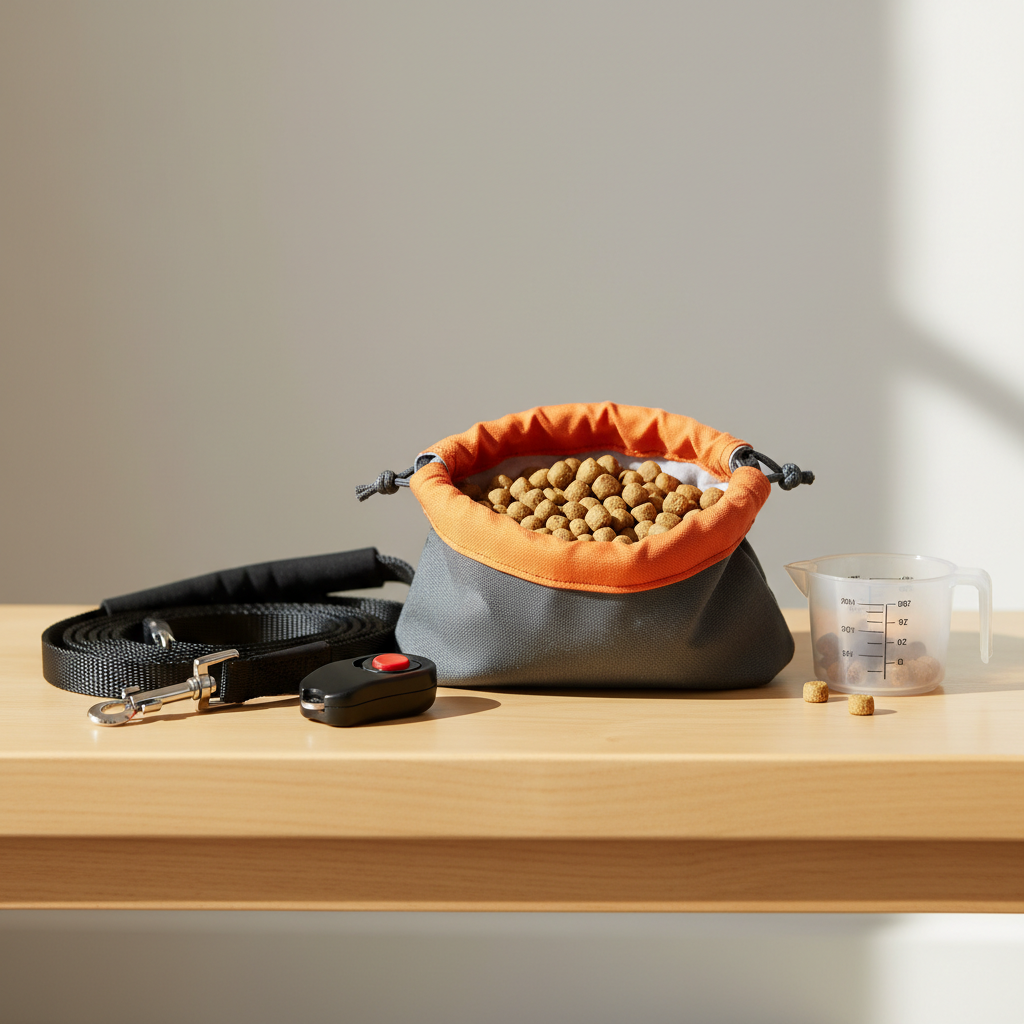
How to use treats so training doesn’t create new problems
People worry about “bribing”, but the bigger issue tends to be sloppy mechanics, late rewards, oversized pieces, and too much food in one session.
Practical steps that usually work
- Cut treats smaller than you think, pea-size for most dogs, even smaller for tiny breeds.
- Measure first, train second, set aside a portion so you don’t free-pour calories.
- Use a value ladder, low value for easy reps, higher value for first-time wins.
- Fade to variable rewards, once behavior is reliable, mix in praise, play, and occasional food.
- Keep sessions short, 3–5 minutes often beats 20 minutes of slow, unfocused drilling.
Key takeaway: the best dog treats for training only shine when your timing stays tight, mark the behavior, then pay quickly.
Safety notes and common mistakes
Most treats are safe in moderation, but training volume changes the math, small issues show up faster.
- Calorie creep: weight gain often comes from “just a few treats” repeated daily, reduce meal portions if needed.
- Choking risk: avoid large hard pieces, especially in high arousal, break or choose softer options.
- Too-rich rewards: greasy or very rich foods can trigger loose stool in some dogs, switch slowly and keep notes.
- One-treat dependence: if you only use one ultra-high reward, medium rewards stop working, rotate values.
If your dog has pancreatitis history, food allergies, or recurring GI issues, treat choices can get complicated, your veterinarian or a board-certified veterinary nutritionist can help you pick safer options.
Conclusion: picking the right training treat in 2026
The best dog treats for training in 2026 aren’t about chasing trends, they’re about speed, value, and how your dog’s body handles frequent rewards, start with small, easy-to-eat pieces, then add a higher-value option for distractions.
If you do one thing today, build a two-tier treat kit, everyday low-cal rewards plus a high-value backup, and commit to a one-week test where you track focus and stool quality, you’ll make a better choice than any top-10 list.
FAQ
- What are the best dog treats for training a puppy?
Soft, tiny treats usually work well because puppies chew quickly and you can reward often, just keep portions small and consider sensitive-stomach formulas if stools soften. - Are freeze-dried treats good for training?
Many dogs find them highly motivating and they break into small bits, but they can crumble in a pouch, so some owners pair them with a less messy everyday option. - Can I use kibble as training treats?
Yes, especially for easy behaviors at home, if your dog ignores kibble outside, it’s not “stubborn,” it’s usually a value mismatch, switch to smellier rewards for distractions. - How many treats are too many in one session?
It depends on calories and your dog’s size, but if you’re doing lots of reps, reduce meal portions and use smaller pieces, if weight creeps up, adjust quickly. - What treats work best for reactive dogs on walks?
Often it’s ultra-high value, like tiny chicken or cheese bits, because the environment competes hard, keep pieces very small and ask a professional trainer for a plan if reactivity escalates. - What ingredients should I avoid in training treats?
There’s no universal “ban” list, but for frequent use, many people avoid very sugary coatings, overly greasy treats, and ingredients that have caused past GI upset for their dog. - Do training treats cause diarrhea?
They can, especially with sudden switches or rich formulas, introduce new treats gradually, and if diarrhea persists or your dog seems unwell, consult a veterinarian.
If you’re trying to make training easier, a simple approach is to pick one low-calorie everyday treat and one high-value “distraction breaker,” then refine based on what your dog actually responds to, if you want, share your dog’s age, weight range, and where you train, and I can suggest a tighter short list to test.