
Ferret treat stick chicken flavor products can be a handy way to reward good behavior, but they also cause a lot of confusion, especially when labels sound “meaty” while ingredients tell a different story.
If you have a ferret who turns up their nose at kibble, nips during play, or needs an easy training reward, a chicken-flavored stick treat sounds perfect. The catch is that ferrets have specific nutrition needs, and many “treats” are built for cats or general small pets, not for true obligate carnivores.
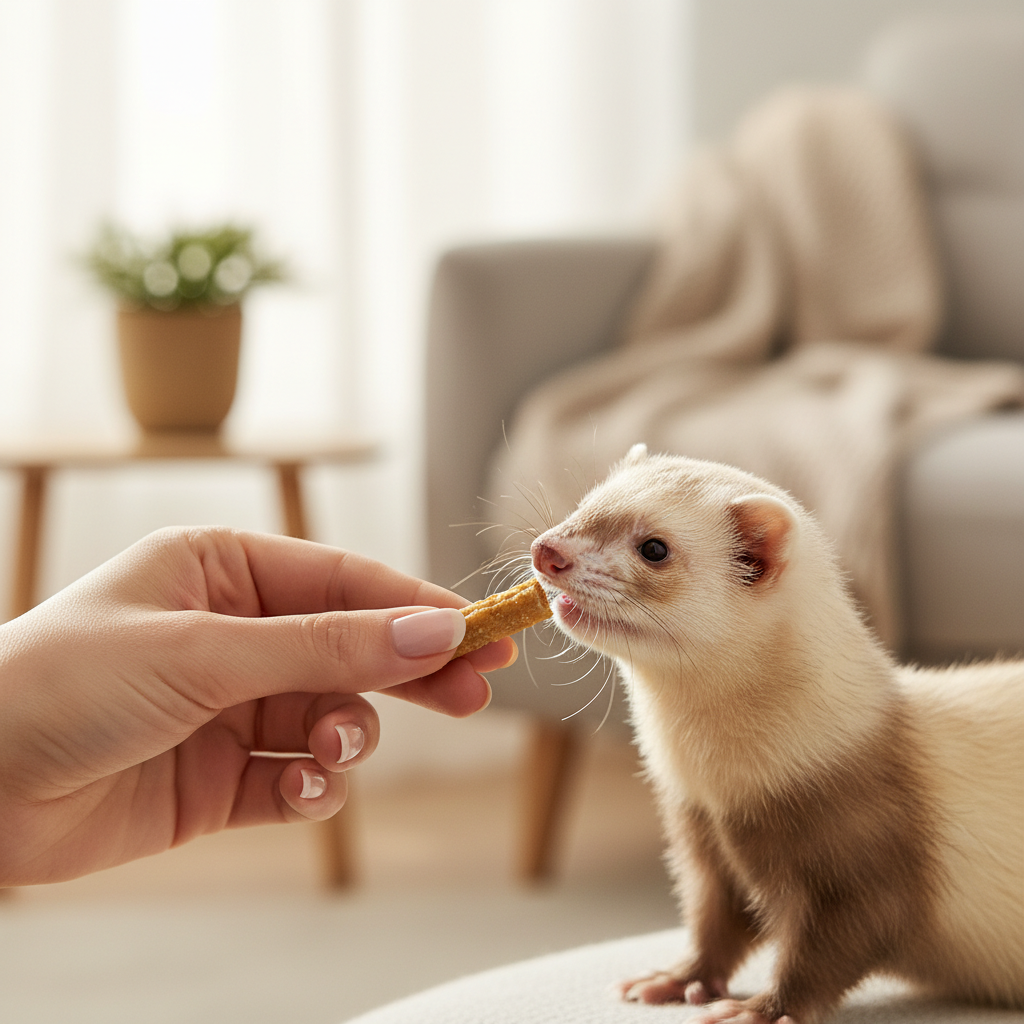
This guide helps you judge what you’re actually buying, how to use stick treats without wrecking appetite or stools, and what to do if your ferret reacts poorly. No “perfect treat” claims here, just practical filters that usually work in real homes.
What a ferret treat stick is (and what it isn’t)
A treat stick is typically a soft, squeezable paste in a tube or a semi-moist stick you break into pieces. Owners like them because they’re easy for training, nail trims, or bonding sessions.
What it isn’t: a nutrition “upgrade” to a balanced diet. In many cases, these are highly palatable extras that should stay in the “small reward” category, even when the front label says “chicken.”
- Good use: short training reps, cooperative care (brushing, meds), building trust with a new ferret.
- Risky use: free-feeding as a snack all day, replacing meals, or masking refusal to eat regular food.
Why chicken flavor works for many ferrets
Chicken-based aromas tend to be familiar and enticing, and many ferrets respond quickly to a high-smell, high-fat reward. That can make a ferret treat stick chicken flavor option useful when you need a “high value” lure.
But palatability is not the same as suitability. Some chicken-flavored sticks lean on fats, thickeners, and “animal derivatives” that smell amazing yet may not sit well with every ferret.
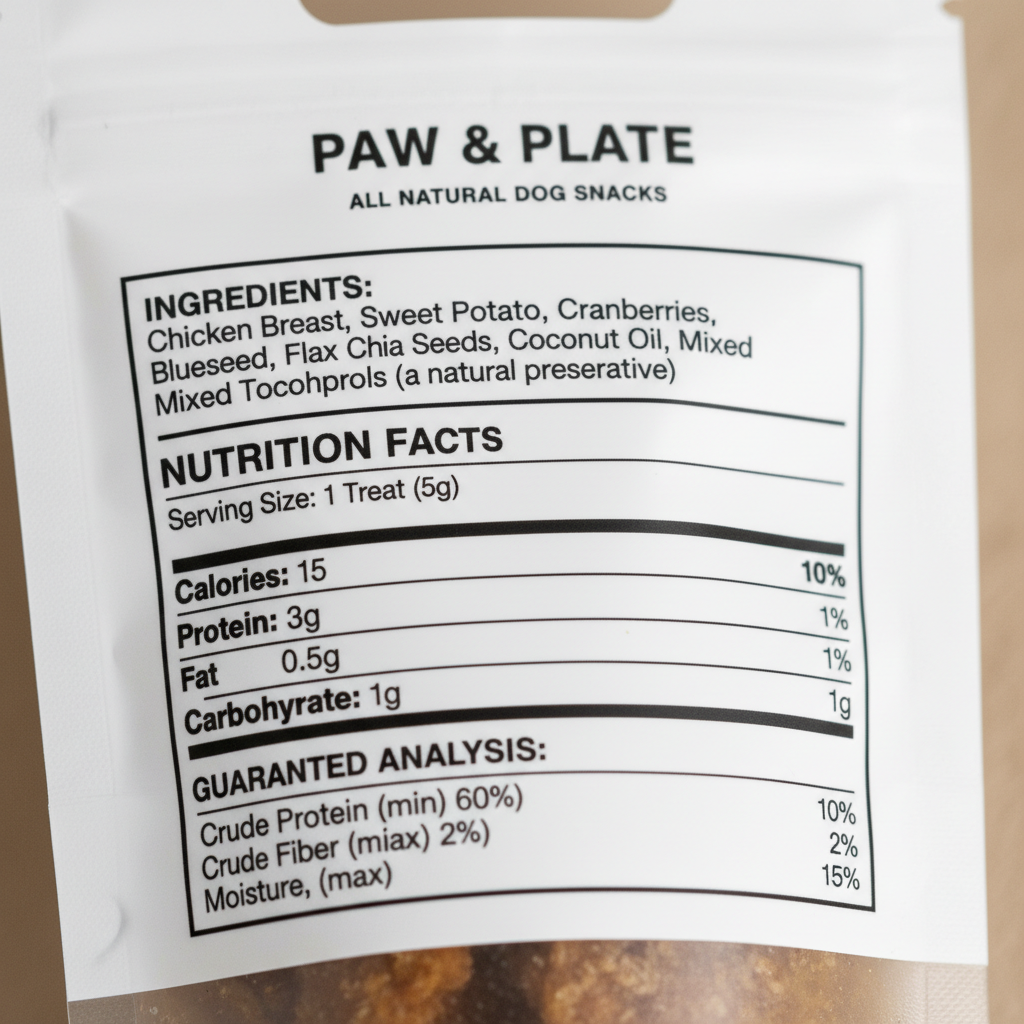
According to the Association of American Feed Control Officials (AAFCO), pet food labels and ingredient lists are key tools for understanding what’s inside, and the order of ingredients matters because it reflects weight at the time of formulation.
Ingredient and label checklist (quick self-test)
If you’re standing in a store aisle or scrolling online, this is the fast way to decide whether a chicken-flavored stick treat is worth trying.
Green flags
- Named animal proteins near the top (e.g., chicken, chicken liver, turkey).
- Shorter ingredient list you can mostly recognize.
- Clear guidance for feeding amounts and storage.
- No added sugars listed (watch for sucrose, corn syrup, molasses).
Yellow flags (not always a deal-breaker)
- “Chicken flavor” without much actual chicken listed.
- Gums/thickeners (guar gum, xanthan gum) that some ferrets tolerate, others don’t.
- High moisture paste treats that spoil faster after opening.
Red flags (usually skip)
- Sugar or sweeteners added for taste.
- Heavy plant fillers near the top (corn, wheat, rice) in a treat meant for ferrets.
- Unclear “meat by-products” as the primary base with no named species.
How to portion a treat stick without upsetting digestion
Most treat trouble comes from portion creep. A little dab during training turns into “half a tube because it’s cute,” and then you’re dealing with loose stools, picky eating, or a ferret who only performs for paste.
Use a simple ceiling: keep treats small enough that your ferret still eats their regular diet reliably. If you’re unsure, start smaller than you think, then adjust after a few days of normal stools and steady appetite.
- Start: pea-sized amount per session, 1–2 sessions per day.
- Training day: split into tiny licks rather than one big serving.
- Multiple ferrets: portion per ferret, not per household.
When you introduce a new ferret treat stick chicken flavor product, keep everything else stable for 3–5 days so you can tell what caused any change.
Best ways to use chicken-flavored sticks (training, bonding, grooming)
Stick treats shine when you use them to mark calm behavior, not as a bribe for chaos. The goal is “small reward for the exact moment you want repeated.”
Training
- Touch treat to your finger, let one lick, then ask for a simple behavior (come, sit pause, target touch).
- Reward immediately, then end the rep before your ferret gets frantic.
Cooperative care (nail trims, ear checks)
- Offer a slow, steady lick while you handle paws or check ears.
- If your ferret escalates into bitey grabbing, stop the treat, pause, and restart when calm returns.
Bonding new or nervous ferrets
- Let them approach your hand, don’t chase with the treat.
- Keep sessions short; a calm two minutes beats a long wrestle.

Comparison table: what to look for when shopping
Different brands vary a lot, so instead of debating names, compare features that usually predict whether a treat plays nicely with a ferret’s routine.
| Shopping Factor | Usually Better | Usually Riskier |
|---|---|---|
| Protein source | Named meats/organs (chicken, liver) | “Flavor” heavy, vague animal derivatives |
| Carbs/sugars | No added sugar listed | Syrups, sucrose, sweeteners |
| Texture | Smooth paste, easy to portion in tiny licks | Sticky, large “chew” pieces that encourage gulping |
| Feeding guidance | Clear daily limit + storage instructions | No guidance, vague “feed as a treat” only |
| Household fit | Works as a training tool, not meal replacement | Used to get ferret to eat anything at all |
Common mistakes (and what to do instead)
- Using treats to fix picky eating: if your ferret refuses meals, treats often make the standoff worse. Instead, check food freshness, dental comfort, stress, and consult a veterinarian if appetite drops suddenly.
- Switching treats weekly: frequent changes can make stools unpredictable. Pick one treat, stick with it, then reevaluate.
- Letting a ferret chew the tube/stick packaging: packaging can become a choking or obstruction risk. Offer on a fingertip or spoon, then put it away.
- Over-rewarding biting: if your ferret gets grabby, pause the treat and reward calm, gentle contact.
According to the American Veterinary Medical Association (AVMA), sudden changes in appetite, vomiting, or diarrhea can be signs of health issues that merit professional evaluation, especially in small animals where dehydration can progress quickly.
When to stop treats and talk to a vet
Most treat-related issues are mild and improve when you reduce portions or stop the new item. Still, ferrets can go downhill fast if something more serious is happening, so it’s worth being conservative.
- Repeated vomiting, persistent diarrhea, or black/tarry stool
- Lethargy, refusal to eat, or signs of pain when chewing
- Suspected ingestion of packaging or a large piece of treat
- Symptoms that last more than a day, or any rapid worsening
If your ferret has chronic conditions or you’re unsure about ingredients, it’s reasonable to bring the package to your veterinarian and ask whether this ferret treat stick chicken flavor choice fits your feeding plan.
Practical takeaways you can use today
A chicken-flavored stick treat can be a smart tool when you treat it like a tool: small amounts, clear purpose, and a quick stop if digestion changes. If you shop by ingredients instead of marketing, you usually end up with fewer surprises.
- Pick: named animal proteins high on the list, no added sugars.
- Portion: tiny licks, not big servings.
- Track: appetite and stool for a few days after any new treat.
If you want an easy next step, choose one treat stick, set a daily cap, and use it only for training or grooming so it stays “special” and doesn’t crowd out real meals.
FAQ
Is a chicken-flavored treat stick safe for ferrets?
Many are tolerated, but “safe” depends on the specific formula and your ferret’s sensitivity. Start with a tiny amount and watch stool and appetite, and ask your vet if your ferret has a medical history that affects diet.
How often can I give a ferret treat stick chicken flavor treat?
For most households, small training portions a couple times a day are plenty. If you notice reduced interest in regular food or softer stools, cut back and treat it as an occasional reward.
Why does my ferret get diarrhea after a new stick treat?
Sudden richness, thickeners, or too-large portions can trigger loose stools. Stop the new treat, keep diet stable, and contact a veterinarian if diarrhea persists or your ferret seems dehydrated or weak.
Can I use treat sticks to help with nail trims?
Yes, that’s one of the best uses. Offer slow, tiny licks while handling paws, and avoid turning it into a tug-of-war where your ferret bites harder for more.
Do chicken “flavor” treats always contain real chicken?
Not always. “Flavor” can come from different sources, so read the ingredient list and prioritize treats where chicken (or chicken liver) is clearly listed as a main ingredient.
My ferret only listens when I have the treat stick—what now?
That usually means the reward is too large or too frequent. Make the reward smaller, mix in praise/handling breaks, and occasionally reward with a different ferret-safe option so behavior doesn’t depend on one item.
Should I refrigerate an opened treat stick?
Follow the package instructions because shelf-stable versus refrigerated products vary. When in doubt, refrigeration is often the safer storage choice, and discard anything that smells “off” or changes texture.
Can kits (baby ferrets) have stick treats?
Some can, but kits have small bodies and fast digestion, so portioning errors show up quickly. It’s smart to keep amounts very small and ask a veterinarian what fits your kit’s overall diet.
If you’re trying to pick a treat that works for training without creating picky eating, it may help to share the ingredient list and your ferret’s age and diet with a vet or an experienced rescue, they can often spot the “looks fine but causes issues” formulas faster than trial-and-error.