
Cat carrier airline approved usually means one thing in real life: it fits under the seat, it keeps your cat contained, and it won’t cause a messy check-in argument when you’re already juggling boarding time.
If you’re shopping for a soft-sided option, you’re already on the right track for most U.S. domestic flights, soft carriers tend to compress a bit to fit under-seat space, and cats often settle better in a slightly “den-like” setup.
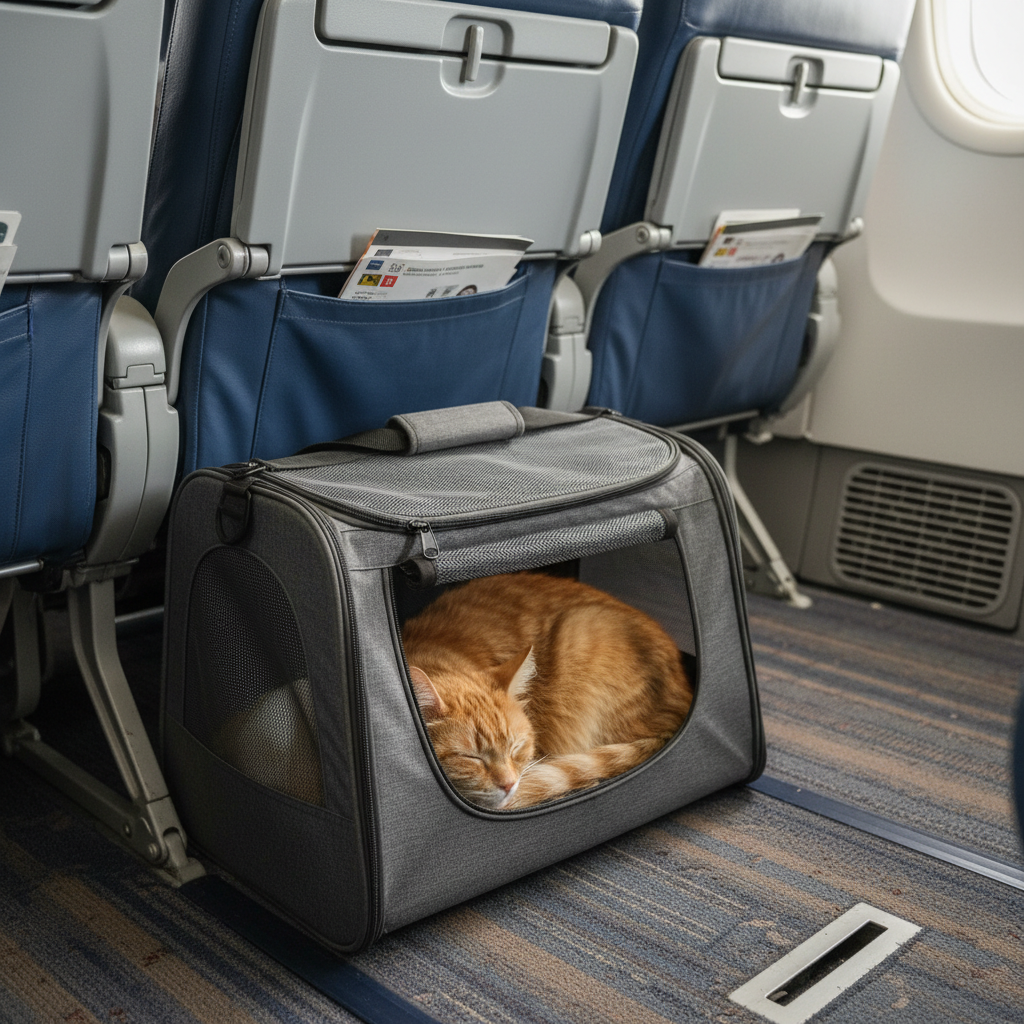
But the frustrating part is the fine print, each airline publishes slightly different pet carrier dimensions, and “airline approved” on a product page can be more marketing than guarantee. This guide walks you through the checks that actually matter, plus a quick comparison table and a practical packing plan.
What “airline approved” really means (and what it doesn’t)
Airlines don’t certify specific brands in most cases, they set rules and you’re responsible for meeting them. A cat carrier airline approved claim is only as good as your carrier’s real measurements, structure, and ventilation.
According to the U.S. Department of Transportation (DOT), airlines must allow service animals under specific rules, but pets traveling in-cabin fall under each airline’s pet policy, including size limits, fees, and where the carrier must stay during the flight.
- Under-seat fit: The carrier must fit completely under the seat in front of you for taxi, takeoff, and landing.
- Secure containment: Zippers, seams, and panels need to hold if your cat paws, pushes, or turns around.
- Ventilation: Mesh panels on multiple sides are common expectations, especially for longer flights.
- Health documentation: Not always required for domestic flights, but some routes, states, or circumstances can trigger extra requirements.
What it doesn’t mean: that the carrier will fit every aircraft, or that it will be comfortable for every cat. Regional jets, bulkhead seats, and first-row layouts can shrink under-seat space a lot.
Soft-sided vs. hard-sided: why soft carriers win for most cabins
For in-cabin travel, soft-sided carriers are popular because they’re more forgiving when the space is tight. Hard-sided carriers protect better in some situations, but they often fail the under-seat test on smaller planes.
Here’s the practical trade-off most travelers feel:
- Soft-sided: compressible edges, lighter to carry, usually more accepted for under-seat storage.
- Hard-sided: sturdier shell, easier to wipe clean, but less flexible for tight clearance.
Many cats also settle faster when the carrier feels like a small covered nook, a soft-sided design with good airflow can strike that balance.
Airline fit: how to measure correctly (without guessing)
Most failed “cat carrier airline approved” moments happen because people measure the wrong way, or they trust listed dimensions without checking the parts that actually hit the seat frame.
Step 1: Start with your cat, not the airline
Your cat should be able to stand, turn, and lie down. If your cat barely fits, flying becomes a stress multiplier, and accidents or overheating risk can rise.
- Measure nose to base of tail (length)
- Measure floor to top of shoulders (height)
- Choose a carrier with a bit of room, but not so big it won’t fit under-seat
Step 2: Measure the carrier “real-world” size
- Measure external length/width/height, including piping, frames, and feet
- Check if the top panel bows upward when carried
- Confirm whether the bottom is rigid, semi-rigid, or fully soft
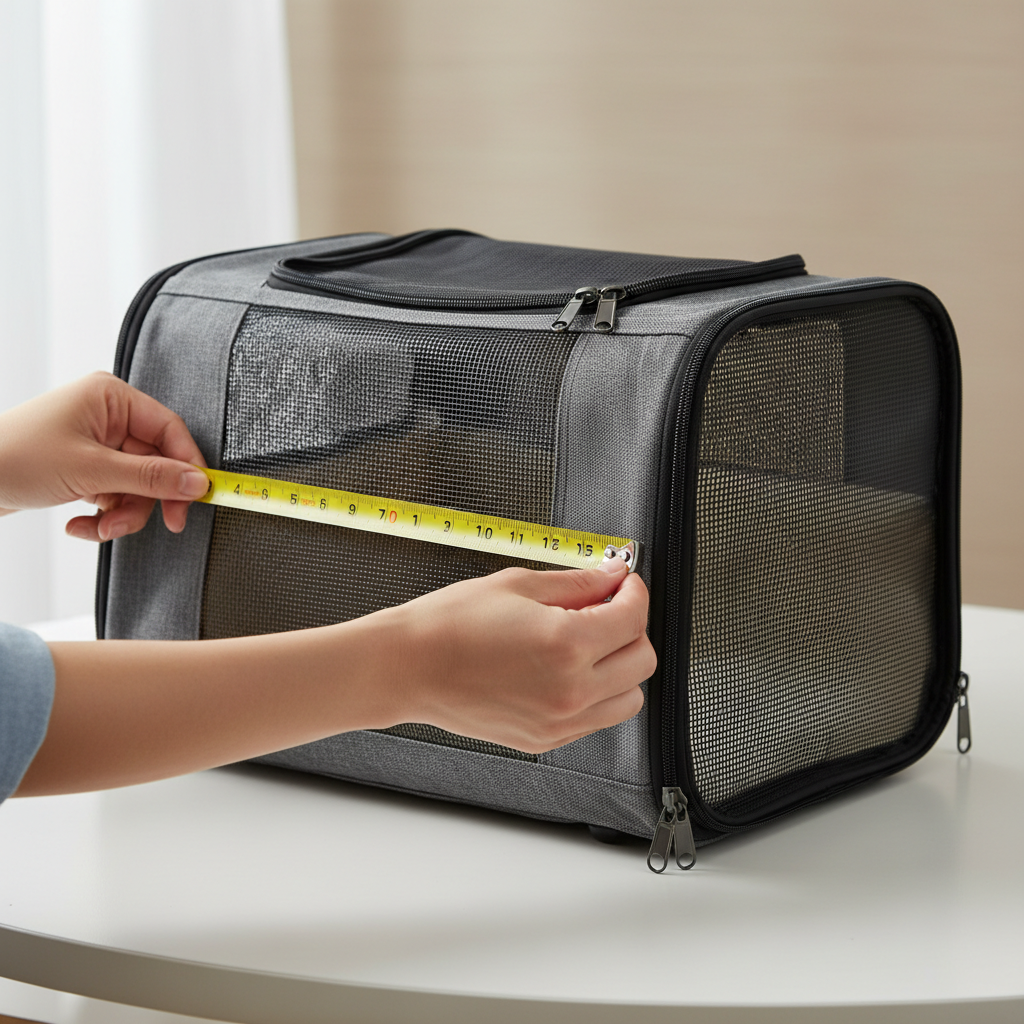
Step 3: Cross-check your specific flight
Even within the same airline, aircraft types vary. If you want fewer surprises, look up your aircraft model after booking and avoid bulkhead seats if possible, many bulkheads have no under-seat storage.
Tip that saves headaches: bring a screenshot or printout of the airline’s current pet policy page when you travel, policies change and gate agents won’t debate what a product listing promised.
Quick comparison table: features that matter on travel day
Not all “airline approved” soft carriers behave the same once you’re in a terminal line. This table focuses on what tends to matter during security, boarding, and the flight itself.
| Feature | Why it matters | What to look for |
|---|---|---|
| Dimensions & flexibility | Under-seat clearance is unforgiving | Compressible sides, accurate external measurements |
| Ventilation | Heat and stress build fast | Mesh on 2–4 sides, not just the door |
| Zippers & locks | Escape risk spikes during handling | Locking zippers or zipper clips, sturdy pulls |
| Bottom support | Cat comfort, posture, stability | Removable rigid insert + washable cover |
| Carry comfort | You’ll walk more than you think | Padded shoulder strap, luggage pass-through sleeve |
| Cleaning | Motion stress can mean accidents | Water-resistant liner, removable bedding |
A fast self-check list before you buy (or before you fly)
If you’re trying to decide whether your current carrier is “good enough,” this checklist gives a quick reality check.
- Fit: carrier fits under-seat on paper, and it can compress slightly without collapsing onto your cat
- Airflow: mesh panels stay open when the carrier is under a seat, not blocked by fabric flaps
- Containment: zippers don’t slide open with light pressure, seams look reinforced
- Handling: you can carry it hands-free without it tilting hard to one side
- Security screening plan: you can remove your cat safely while the carrier goes through the X-ray
According to the Transportation Security Administration (TSA), pets are typically carried through the screening checkpoint while the carrier is sent through the X-ray machine, so a secure harness and leash can make that moment safer.
Practical setup: making a soft-sided carrier work on travel day
Buying the right bag is only half the story, how you set it up can make the difference between a tense flight and a manageable one.
Before the trip
- Do short practice sessions: leave the carrier open at home with treats inside, then try short car rides.
- Pick bedding you can sacrifice: bring a familiar-smelling blanket or T-shirt, but avoid anything too bulky.
- Plan for accidents: pack pee pads and a spare liner or towel in an outer pocket.
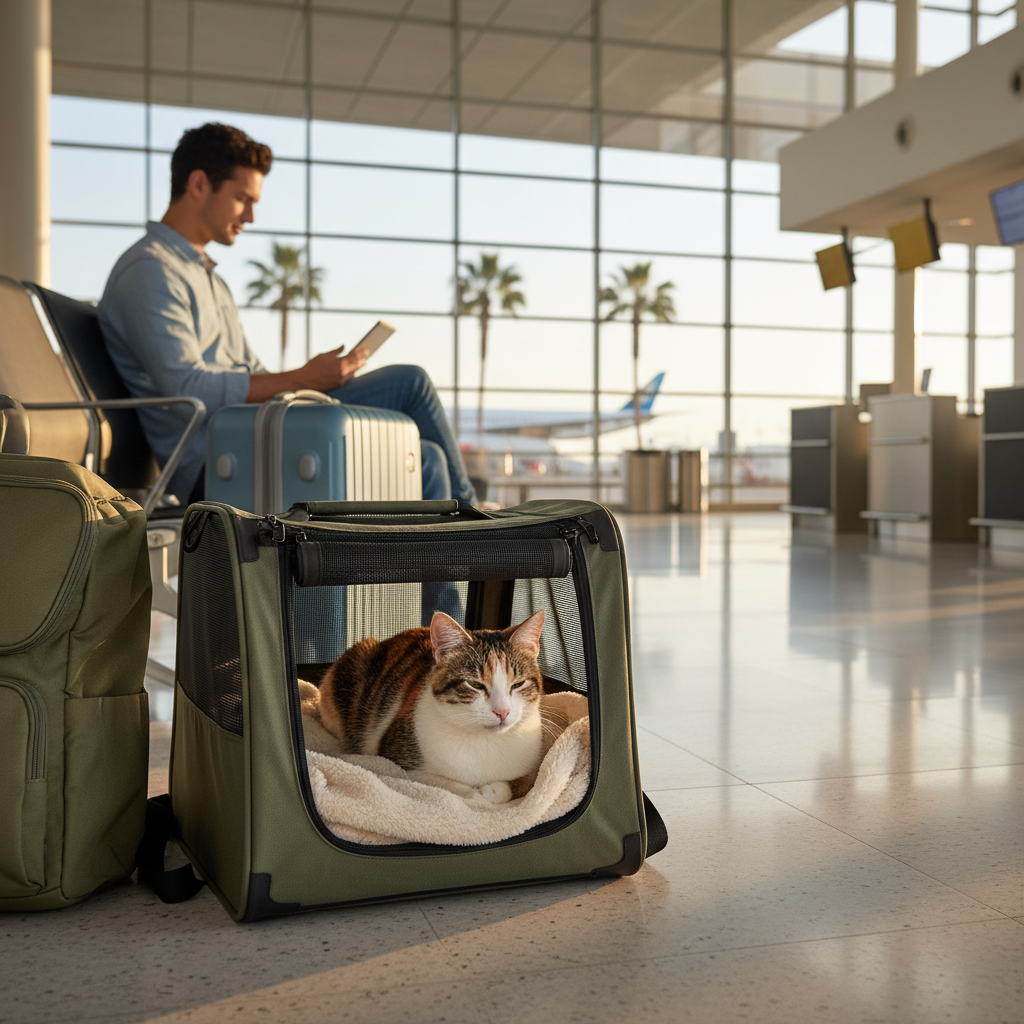
At the airport
- Arrive earlier than you think: pet check-in can take extra time, and some airlines limit the number of in-cabin pets per flight.
- Choose your seat wisely: avoid bulkhead, and consider a window seat to reduce foot traffic near the carrier.
- Keep the carrier level: swinging and tilting can ramp up stress fast.
During the flight
- Carrier stays under the seat: most airlines require it, even if your cat is quiet.
- Skip constant checking: it’s tempting, but repeated poking can keep a nervous cat keyed up.
- Hydration is tricky: small sips may help on longer travel days, but avoid overdoing it right before boarding.
Common mistakes that waste money (or create last-minute drama)
- Buying to the max size limit: a carrier at the “maximum” can still fail on smaller aircraft, going slightly smaller often reduces risk.
- Ignoring external frames: metal stays, thick piping, and feet can push you over the limit even if the fabric looks soft.
- Assuming “expandable” is always allowed: expansions are usually fine at the gate area, but many airlines expect the carrier to be fully zipped and under-seat during key phases of flight.
- Not preparing for TSA screening: a cat with no harness, plus a busy checkpoint, is where bad stories start.
- Over-sedating without guidance: medication choices vary, and sedation can carry risks, talk with a veterinarian if you’re considering it.
When to pause and ask a professional
If your cat has breathing issues, heart conditions, extreme anxiety, or a history of overheating, it’s worth discussing travel with a veterinarian before you commit. Some cats can travel fine with training and routine, others may need a different plan.
Also consider professional help if you’re facing international travel or interstate moves with additional paperwork, requirements can change and airline staff typically enforce what’s current, not what you found in an old forum thread.
Key takeaways
- “Airline approved” is a fit-and-policy problem, not a brand badge, verify dimensions against your flight and your cat.
- Soft-sided carriers tend to work better under seats, especially on tighter aircraft layouts.
- Plan for TSA and accidents, harness training and washable liners remove a lot of stress.
- When health is a concern, get a vet’s input rather than guessing.
Conclusion: choose for the plane you’re actually taking
A cat carrier airline approved soft-sided setup is less about chasing the perfect product label, more about matching real under-seat space, reliable zippers, and a calm routine your cat can tolerate. If you do two things, measure external dimensions honestly and practice the carrier at home, you’ll avoid most last-minute problems and make the whole day feel more predictable.
If you’re booking soon, pull your airline’s pet policy, check your aircraft type, and then buy the carrier that gives you the most margin, not the most marketing.
FAQ
What size is a cat carrier airline approved for most U.S. airlines?
Most airlines publish maximum dimensions, but they vary by carrier and aircraft. A safer approach is choosing a soft-sided carrier slightly under the stated limit, because under-seat space can be smaller than the maximum allowance suggests.
Do airlines actually measure pet carriers at the gate?
Sometimes they do, sometimes they eyeball it, and it often depends on how full the flight is and whether the carrier obviously won’t fit. If your carrier looks overstuffed or rigid, your chances of getting questioned tend to go up.
Is a soft-sided carrier always accepted if it says “airline approved”?
No, that phrase is not a universal certification. You still need to match your airline’s rules, and the carrier must fit under the seat on your specific aircraft.
Can my cat sit on my lap if they stay calm?
Many airlines require the carrier to remain under the seat for most of the flight. Even if a flight attendant is sympathetic, it’s usually not something you should plan on.
How do I handle TSA screening with a cat?
Plan to remove your cat from the carrier, keep them in a secure harness and leash, and carry them through the metal detector while the carrier goes through X-ray. If your cat is prone to bolting, consider asking TSA officers for guidance on a quieter screening approach.
Should I give my cat a calming supplement or sedative before flying?
Some cats respond well to training and routine alone, others may need additional support, but medication decisions can involve risks and should be discussed with a veterinarian who knows your cat’s health history.
Are expandable soft carriers okay for flights?
They can be useful in the terminal, but during taxi, takeoff, and landing, the carrier typically needs to be fully closed and fit under the seat. Treat “expandable” as a bonus feature, not a core compliance feature.
If you’re trying to pick a soft-sided carrier and want a faster way to narrow options, start by matching your airline’s under-seat limits, then filter for locking zippers, sturdy ventilation panels, and a washable base, it’s the most practical path to an in-cabin setup that feels predictable.