
Dog food container airtight choices matter more than most people think, because kibble goes stale, absorbs humidity, and can attract pantry pests faster than you expect once a bag is opened.
If you’ve ever opened a bin and noticed a “cardboard” smell, oily residue, or a few mystery crumbs that don’t look like kibble, you’re already seeing the practical downside of storing food in the wrong container or using a lid that doesn’t seal consistently.
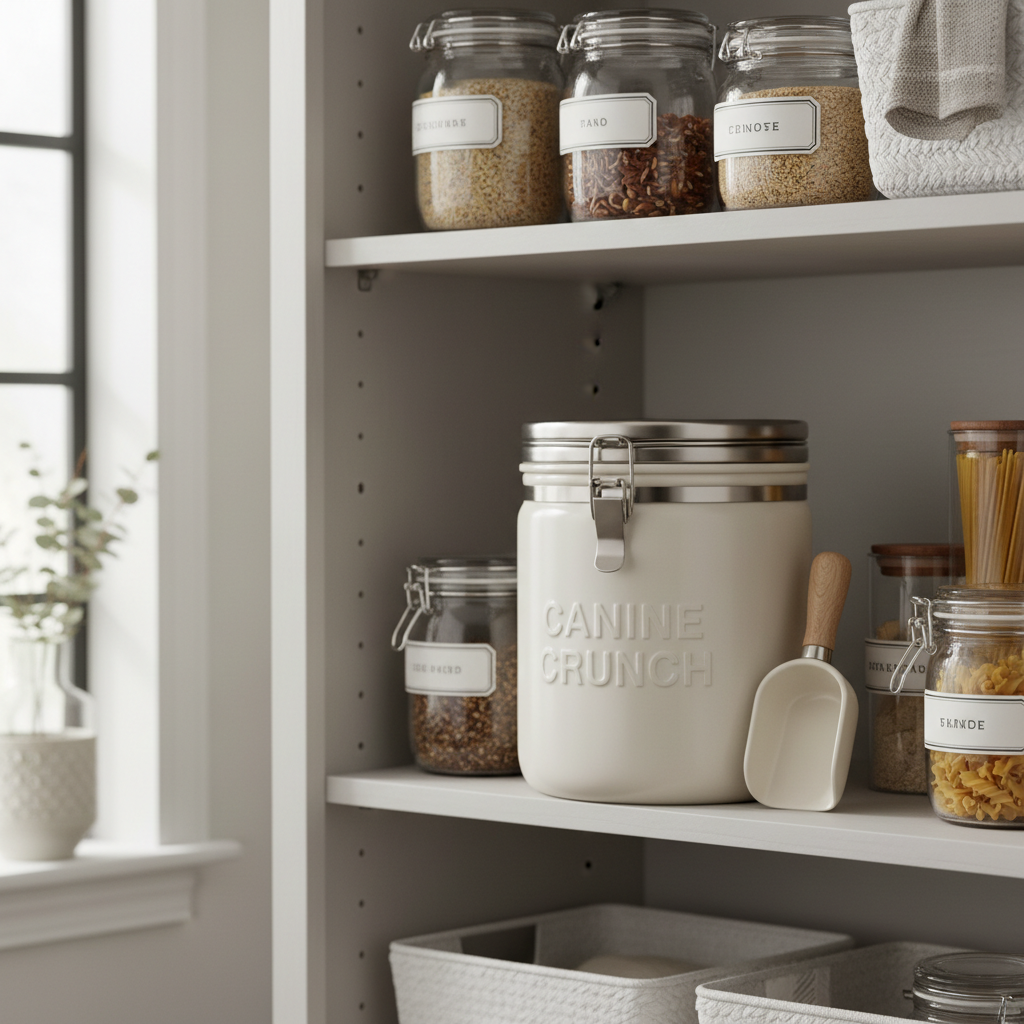
This guide walks you through what “airtight” really means for pet food, how to pick the right container for your space and dog size, and a simple routine that keeps food fresher without turning storage into a whole project.
Why airtight storage matters for kibble freshness
Kibble is a dry product, but it still changes after opening. Oxygen exposure can speed up oxidation in fats, humidity can soften pieces and encourage clumping, and odors from the pantry can sneak in when the seal is weak.
According to the FDA (U.S. Food & Drug Administration), pet food should be stored in a cool, dry place and kept in a container that protects it from moisture and contamination. That advice sounds basic, but the container choice is where people usually miss the mark.
- Oxidation: fats in kibble can turn rancid over time, especially in warm storage areas.
- Moisture: humidity can reduce crunch and may increase the risk of spoilage or mold in some situations.
- Pests: ants, pantry moths, and even rodents look for easy access points like loose lids and cracked corners.
- Odor transfer: strong-smelling foods, cleaners, or garbage areas can affect aroma and palatability.
What “airtight” actually means (and what it doesn’t)
A lot of bins say “airtight,” but in real kitchens the difference comes down to the seal design and how consistently it closes. A lid that “sort of” clicks is often fine for rice, but dog food is oily and aromatic, which makes small gaps more noticeable.
Here’s the practical definition: an airtight container should have a continuous gasket seal plus a locking mechanism that applies even pressure all the way around the rim.
Common airtight seal types
- Silicone gasket + latches: usually the most reliable for daily open/close use.
- Twist-lock lids: can work well, but cross-threading or partial twists are common failure points.
- Flip-top lids: convenient, but often less airtight unless there’s a strong gasket and a firm lock.
One more reality check: “airtight” does not mean “infinite freshness.” Kibble still has a best-by timeline once opened, and heat plus time can win even with a great seal.
How to choose the right dog food container for your home
Buying the biggest bin is tempting, but it can backfire if food sits too long, or if you end up over-handling kibble with frequent top-offs. A smarter approach is matching size to your buying habits and your dog’s pace.
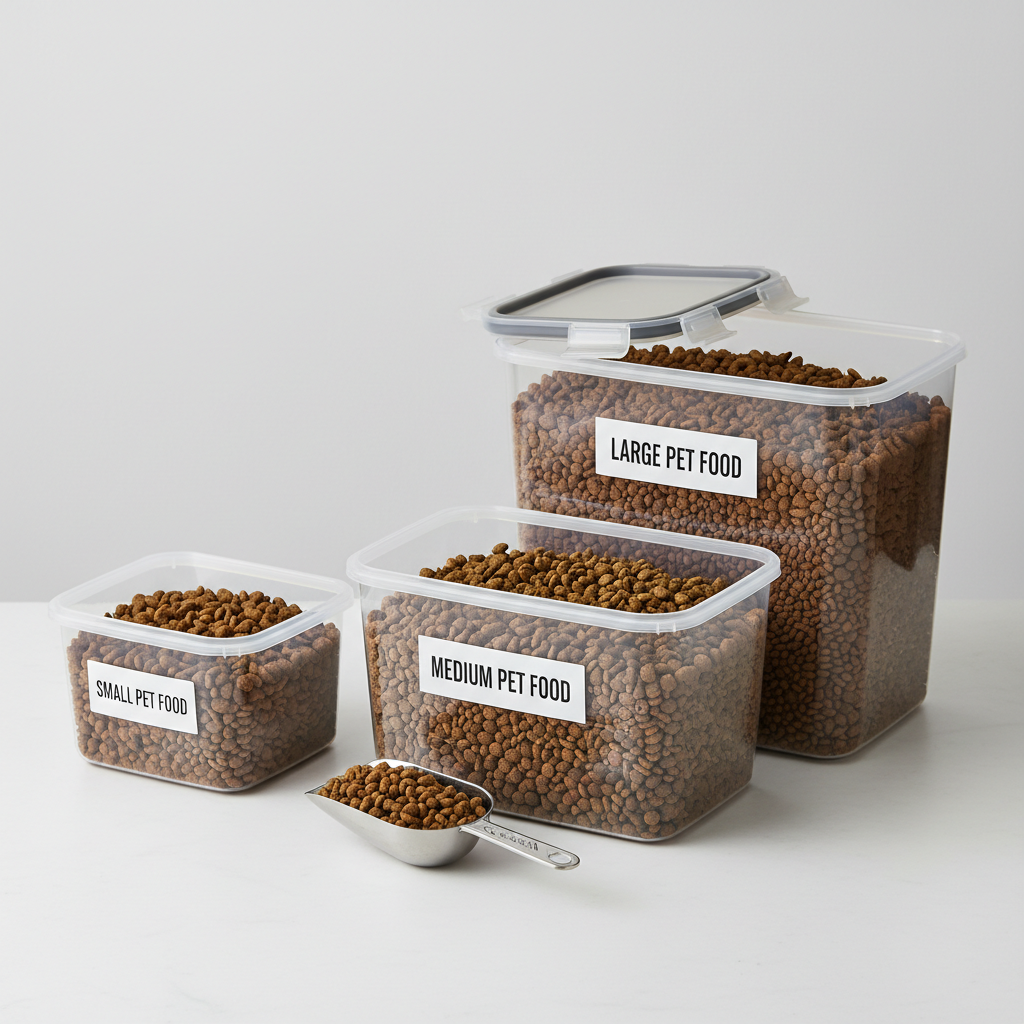
Quick sizing rule (practical, not perfect)
- If you buy small bags (5–15 lb), a compact container that holds one full bag is usually easiest.
- If you buy medium bags (20–30 lb), look for a bin that fits the whole bag or split into two stackable airtight containers.
- If you buy large bags (35–50 lb), consider a rolling bin, but only if it seals well and you can clean it thoroughly.
Material choices: plastic vs stainless vs glass
- Food-grade plastic: lightweight and affordable, but it can absorb oils and odors over time, especially if not cleaned well.
- Stainless steel: tends to resist odor and staining better, but you lose visibility and it may cost more.
- Glass: very odor-resistant and easy to deep-clean, but heavy and breakable, so not ideal in every household.
A simple comparison table
| Feature | Great for | Watch out for |
|---|---|---|
| Latch lid + gasket | Daily use, reliable seal | Gasket can warp if washed in high heat |
| Rolling bin | Large bags, easy movement | Wheels and seams can trap crumbs |
| Clear body | Seeing remaining amount at a glance | Light exposure if stored in bright areas |
| Stainless body | Odor control, durability | Harder to notice pest activity early |
Self-check: do you actually need a better airtight container?
Before you replace anything, it helps to diagnose what’s going wrong. Most households fall into a few repeat patterns, and you can usually fix them with one or two adjustments.
- Your kibble smells “off” before you finish the bag, even when it’s within the best-by date.
- The lid flexes or pops when you press on it, or it closes unevenly.
- You see crumbs in the rim and the gasket area looks dirty most days.
- You top off constantly without cleaning the bin, so older kibble sits at the bottom.
- You’ve had pests in the pantry before, even if not specifically in the kibble.
If two or more feel familiar, upgrading to a dog food container airtight enough for daily use is usually worth it, and it’s often cheaper than dealing with wasted food or pest issues.
Best practices: how to store kibble so it stays fresh longer
This part looks boring, but it’s where freshness is won. The goal is reducing oxygen exposure, limiting heat and humidity, and keeping the container clean enough that oils don’t build up.
Step-by-step storage routine
- Keep food cool and dry: avoid storing next to ovens, dryers, or sunny windows.
- Use the bag inside the container when practical: many brands use liners designed to help protect food; placing the whole bag into the bin can reduce oil contact with plastic.
- Seal immediately after each scoop: “I’ll close it in a minute” is how humidity sneaks in.
- Don’t top off blindly: finish the old batch before adding new, or fully empty and clean the bin first.
- Use a dedicated scoop: avoid cups that touched wet food or your sink, moisture transfer is a quiet problem.
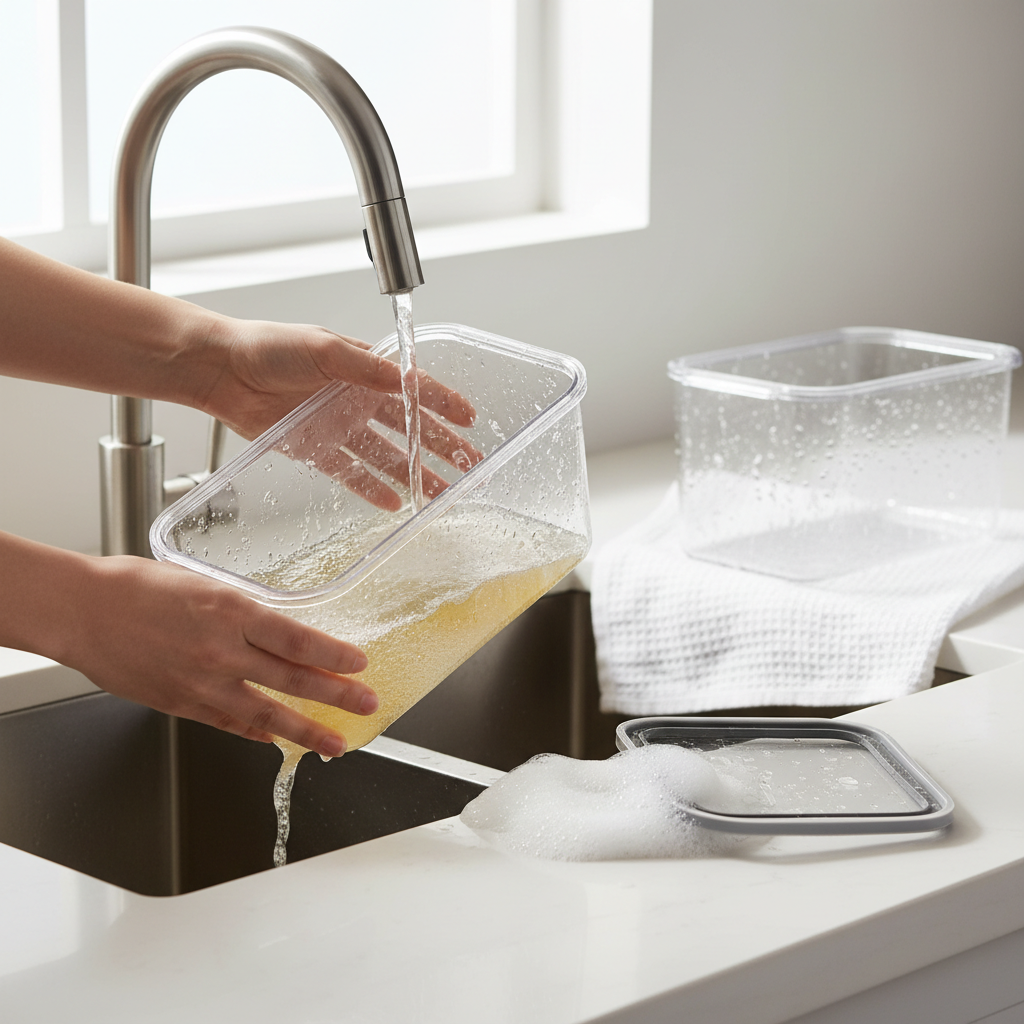
Key point: if you notice oily film inside your bin, clean it sooner than later, that residue can hold odor and may speed up staleness over time.
Common mistakes that quietly ruin freshness
Most “my container doesn’t work” complaints come from a few sneaky habits. None are dramatic, but they add up.
- Storing in a garage: temperature swings and humidity can be rough on kibble, even when the lid is tight.
- Using scented cleaners: plastic can hold fragrance; rinse well and air-dry completely.
- Ignoring the gasket: crumbs under the seal create micro-gaps, and the lid still feels “closed.”
- Overbuying: large bags can be economical, but only if your dog finishes them in a reasonable time window.
If you want one easy upgrade, prioritize a container with a gasket you can remove and clean, it’s a small detail that tends to matter in daily life.
When to ask a vet or the manufacturer
If your dog suddenly refuses food, vomits, has diarrhea, or you suspect the kibble may be spoiled, it’s safer to stop feeding that batch and contact your veterinarian for guidance. Storage issues are common, but symptoms can have many causes.
Also consider reaching out to the brand if you see unusual odor, visible mold, or packaging damage, keep the lot number and purchase details. According to the FDA (U.S. Food & Drug Administration), consumers can report problems with pet food through their safety channels, which helps track potential quality issues.
Conclusion: a simple way to keep kibble fresher
A good dog food container airtight enough for everyday use is less about fancy marketing and more about a reliable gasket, an easy-to-clean design, and a size that fits how fast your household goes through food.
If you want a quick next step, check your current lid seal and gasket cleanliness today, then adjust your routine so you’re not constantly topping off old kibble with new, it’s the easiest freshness win.
FAQ
Is it better to store kibble in the original bag or pour it into a container?
Many owners get good results placing the entire bag inside the container, especially with plastic bins, because it limits oil contact and makes cleanup easier. If the bag doesn’t fit, pouring is fine, just commit to regular cleaning and full drying.
How do I know if my dog food container is truly airtight?
Look for a continuous gasket and a lid that closes with even pressure. If you can press on the lid and feel air movement, or if the rim area traps crumbs easily, the seal usually isn’t as tight as it needs to be.
Can an airtight container prevent pantry moths or ants?
It often helps, but it depends on seal quality and whether pests are already in the pantry. A strong latch-and-gasket container can reduce access, yet you may still need to clean shelves and address the source to stop repeat infestations.
How often should I wash a dog food storage bin?
A common, workable rhythm is every time you finish a bag, wash, rinse thoroughly, and let it dry completely before refilling. If you notice oily buildup or strong smell sooner, wash sooner.
Does clear plastic make kibble go stale faster?
Light exposure can be a factor for some foods, especially if the bin sits in bright sunlight. In most kitchens it’s not dramatic, but storing the container in a darker cabinet or pantry is a safer bet.
Are stainless steel containers more airtight than plastic?
Not automatically. Airtight performance comes from the lid design and gasket, not the body material. Stainless can be better for odor control, but a poorly designed lid will still leak air.
What should I do if the container smells even after washing?
Try removing and cleaning the gasket separately, then air-dry longer than you think you need. If odor persists in a plastic bin, it may be absorbed oils, at that point switching materials or using the bag-in-container method can help.
If you’re trying to reduce waste, keep pests out, or simply stop wondering whether your dog’s kibble tastes stale by week two, choosing a container with a dependable seal and an easy cleaning routine is usually the most “set it and forget it” way to get there.