
Dog car seat belt harness adjustable models are meant to keep your dog more stable in the car without pinching, twisting, or turning every drive into a wrestling match. If your current setup lets your dog climb into the front seat, gets tangled around a leg, or feels "tight" in the wrong places, you’re not alone.
The bigger reason this matters is simple: a loose dog can become a distraction, and in a sudden stop your dog can be thrown forward. A good adjustable system doesn’t just “restrain,” it helps your dog sit or lie down comfortably while limiting risky movement.
This guide breaks down what “adjustable” should really mean, how to pick the right style for your dog and your car, how to set it up so it actually works, plus the common mistakes that quietly make these products less effective.
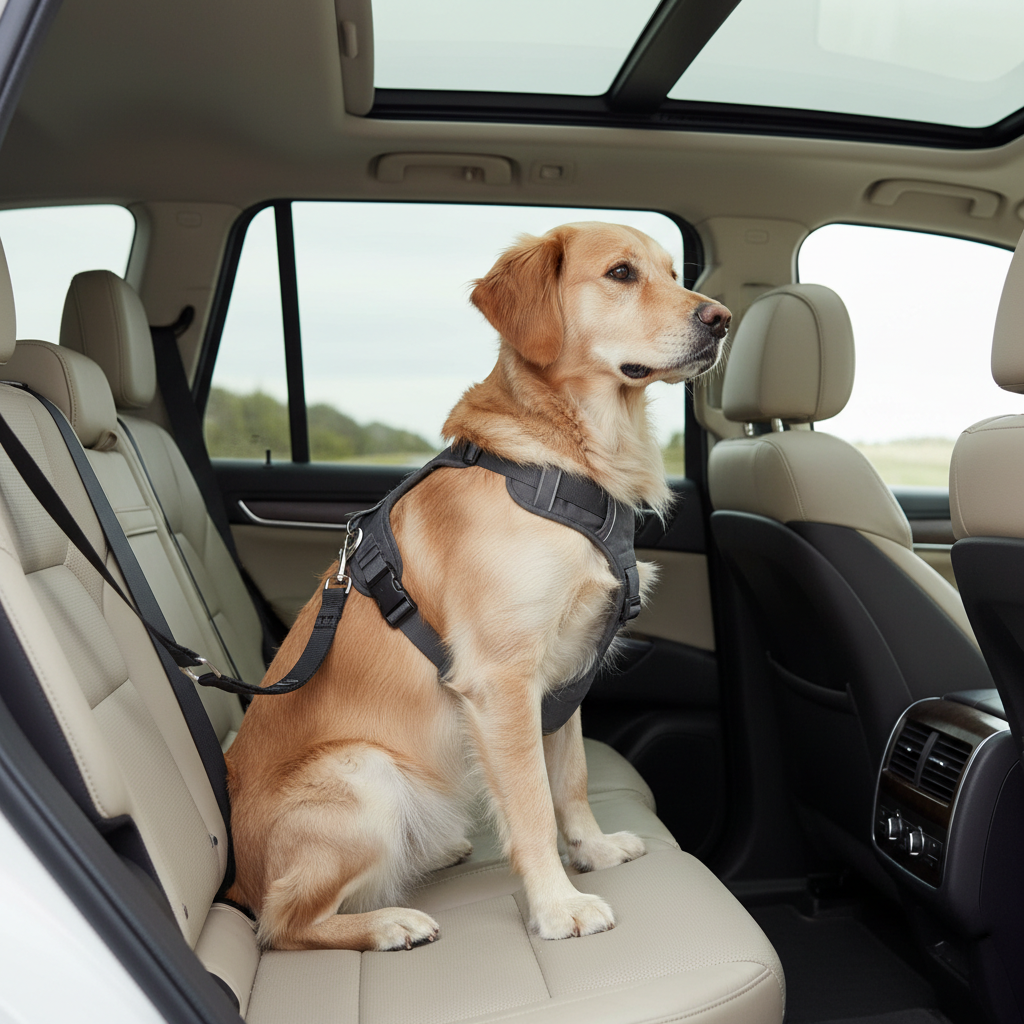
Why an adjustable dog car seat belt harness matters in real driving
Adjustability sounds like marketing until you try to fit one harness across different dogs, coats, and body shapes. The “right” fit usually changes with seasons too, thick winter coat versus short summer coat can shift the snugness.
In practical terms, adjustability helps in three places:
- Chest and girth fit: reduces pressure points and helps prevent rubbing behind the front legs.
- Tether length: limits forward movement while still letting your dog sit or lie down.
- Vehicle compatibility: different seat heights and anchor points change how the tether behaves.
According to the American Veterinary Medical Association (AVMA), unrestrained pets can distract drivers and be at risk of injury during sudden stops or crashes, so some form of restraint is worth taking seriously, even for short trips.
Common reasons dogs “hate” car harnesses (and how to tell which one you have)
Many dogs aren’t rejecting the idea of being buckled, they’re reacting to fit, pressure, or confusing movement. This is where the adjustable part needs to do real work.
- It rides up toward the throat: often the chest plate sits too high or the straps are uneven.
- Chafing in the armpits: a frequent issue with narrow strap geometry or oversized sizing.
- Twisting and tangling: tether too long, wrong clip point, or the dog can spin around.
- “Locked” posture: tether too short, forcing an awkward sit with no room to settle.
- Panic at the buckle sound: not a product flaw, usually training and pacing.
If your dog is restless only after you start moving, that often points to tether length and balance, not the harness itself.
Quick self-check: are you using the right setup?
Before buying anything new, check your current fit and connection. A lot of “bad harness” reviews are really “bad setup” problems.
- Two-finger rule: you can slide two fingers under straps at the chest and girth, snug but not tight.
- Chest plate position: centered on the chest, not creeping up into the neck.
- Back clip alignment: sits on the back, not pulled sideways by the tether angle.
- Tether behavior: dog can lie down, but can’t reach the front seat.
- No strap-on-skin hot spots: after a 10–15 minute drive, check for redness.
If you’re seeing redness, hair loss, coughing, or labored breathing, stop using that configuration and consider asking your veterinarian for fit guidance, especially for short-nosed breeds or dogs with orthopedic issues.
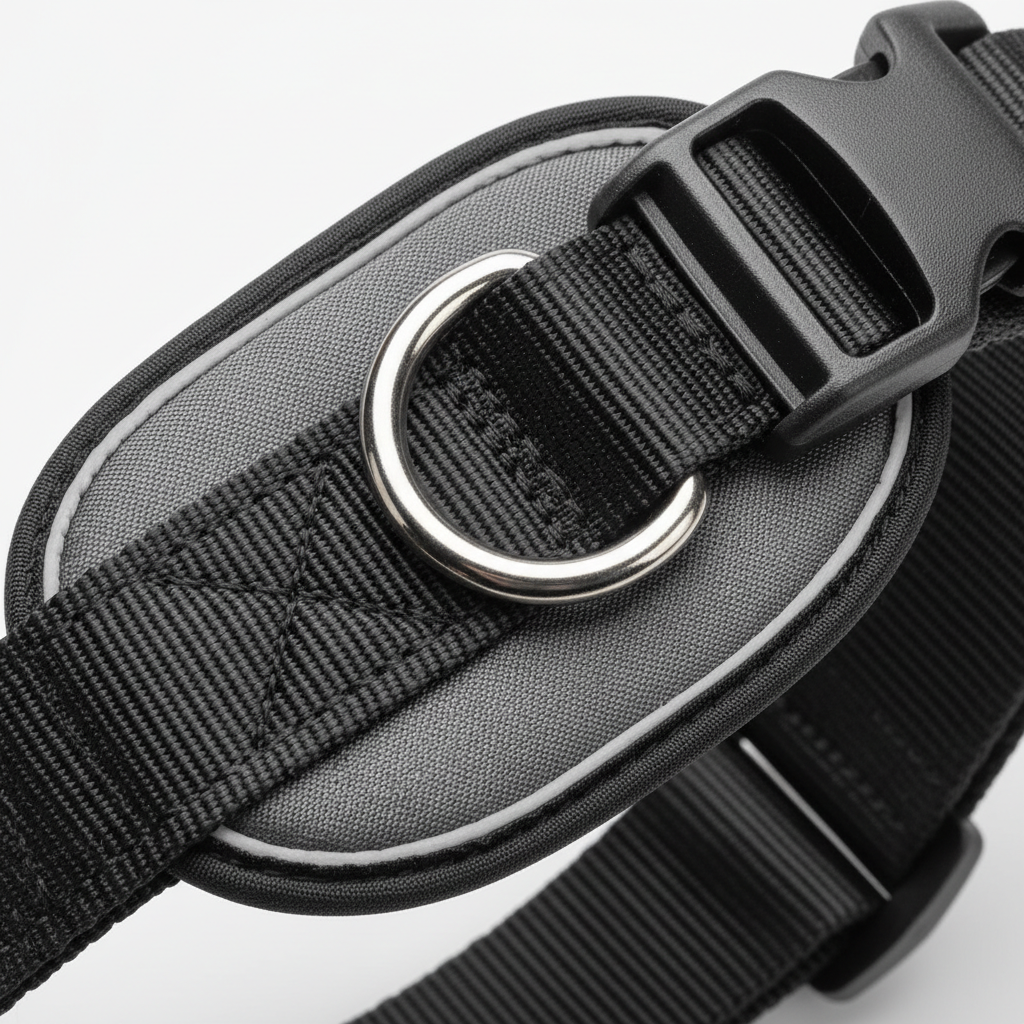
What to look for in a dog car seat belt harness (features that actually matter)
Not every “car harness” is designed the same way. Some are basically walking harnesses with a tether, others are purpose-built for riding. Here’s how experienced buyers usually sort features that matter from features that just look tough.
Fit and comfort features
- Wide chest panel or padded chest area: spreads load and can reduce rubbing.
- Multiple adjustment points: at least two, often four, for better symmetry.
- Anti-rotation design: keeps the harness from sliding sideways when the tether pulls.
Connection and hardware
- Strong D-ring placement: back-clip placement that doesn’t torque the harness.
- Locking or sturdy buckles: especially for strong pullers or anxious dogs.
- Metal hardware where it counts: clips and rings are frequent failure points.
Car compatibility
- Works with seat belt buckles or LATCH/ISOFIX-style anchors: depends on your vehicle and product design.
- Adjustable tether length: lets you match your dog’s size and your back-seat space.
One important nuance: “crash-tested” claims can vary by standard and test method. If a brand mentions testing, look for clear, specific language rather than vague badges, and treat any restraint as risk reduction rather than a guarantee.
Comparison table: which style fits your dog and your routine?
There isn’t one perfect choice for every household. Use this as a practical starting point.
| Harness/Tether Style | Best for | Potential downsides | Adjustability to prioritize |
|---|---|---|---|
| Walking harness + seat belt tether | Occasional rides, already own a harness | May twist or ride up, comfort varies by harness | Tether length, chest positioning |
| Purpose-built car harness | Frequent drivers, anxious movers, larger dogs | Usually bulkier and pricier | Multiple strap points, anti-rotation fit |
| Seat belt clip-in (buckle) tether | Quick daily use, multi-car households | Some buckles vary by vehicle, can be chewed | Correct buckle fit, short-to-medium tether range |
| LATCH anchor tether system | Dogs that move a lot side-to-side | Not all cars have accessible anchors | Anchor reach, swivel clip, length tuning |
How to set up an adjustable harness and tether (so it stays comfortable)
This is the part most people rush, then wonder why the dog keeps spinning, chewing, or slipping out.
- Fit the harness indoors first: adjust both sides evenly, then mark strap positions with a small stitch or tape if you share the harness between dogs.
- Choose the back seat: it’s typically safer than the front because airbags can injure pets.
- Set tether length with one goal: your dog can sit and lie down, but can’t reach the front-seat gap.
- Clip to the correct point: use the designated attachment point for car use if the harness has one.
- Do a 3-minute “fake drive”: engine on, small movement, then stop and check twisting and strap drift.
If you’re training a dog that’s new to restraint, pair buckling with something positive, a chew or a calm reward, and build time slowly. For dogs with intense panic, a trainer or veterinarian may help you rule out motion sickness or anxiety triggers.
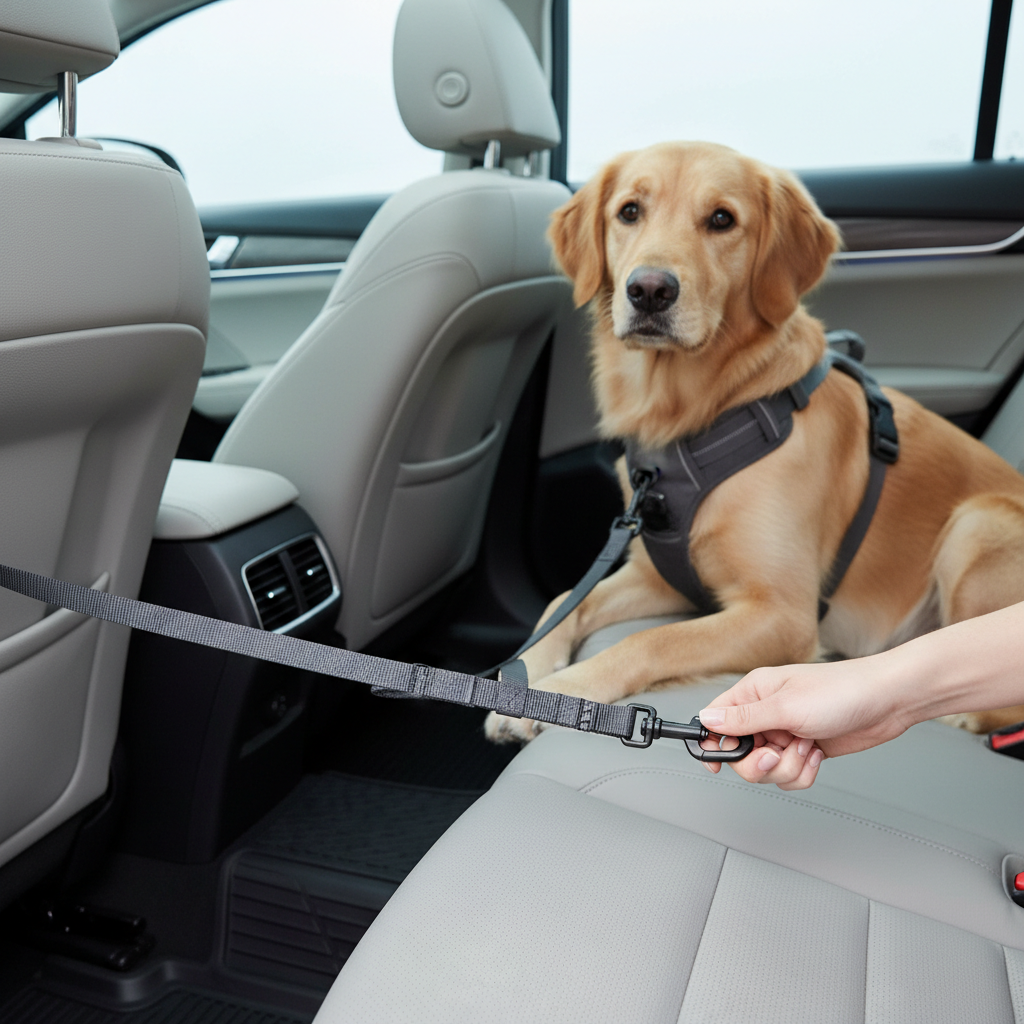
Common mistakes (the ones that make “adjustable” pointless)
Small setup errors can undo the benefit of a dog car seat belt harness adjustable design, even if the product itself is solid.
- Clipping to a collar: can increase neck injury risk during sudden stops, use a harness for car restraint.
- Tether too long “for comfort”: often increases tangling and lets the dog become a distraction.
- Ignoring asymmetry: one strap looser than the other makes the harness drift and rub.
- Letting the dog sit on the buckle/tether: creates odd angles, sometimes pops clips open over time.
- Assuming one fit works forever: weight change, grooming, coat thickness can all change fit.
According to the Centers for Disease Control and Prevention (CDC), seat belts reduce injury risk for humans, and while pets aren’t the same as passengers, the core idea holds up: restraint and positioning matter. Think “reduce movement and distraction,” not “make it impossible to move.”
When to get professional help or change your plan
Most dogs do fine with a well-fitted harness and a sensible tether length, but a few situations deserve extra caution.
- Short-nosed breeds (brachycephalic): if any harness pressure affects breathing, ask a veterinarian about safer fit options.
- Senior dogs or orthopedic pain: look for padding and positioning that allows a natural lie-down, or consider a crash-compatible crate as an alternative.
- Severe anxiety or car sickness: a trainer can help with desensitization, a veterinarian can discuss nausea or anxiety support.
- Escape artists: you may need a different harness geometry, larger coverage, or a secondary safety connection.
If your dog has had surgery, has a heart or respiratory condition, or shows pain during buckling, it’s safer to pause and get individualized advice.
Key takeaways and a simple next step
A dog car seat belt harness adjustable choice works best when you treat it as a system: harness fit, tether length, and connection point all matter, and they’re easy to tune once you know what to look for.
If you want one actionable next step, do this: fit the harness indoors, then shorten the tether until your dog can lie down but can’t reach the front seat. Take a short drive, check for twisting and redness, and adjust from there.
FAQ
How tight should an adjustable dog car harness be?
Snug enough that it won’t slide, but not so tight that it restricts breathing or rubs. A common check is fitting two fingers under the straps, then confirming there’s no redness after a short drive.
Can I use a seat belt tether clipped to my dog’s collar?
It’s generally safer to use a harness for car restraint because collar pressure concentrates on the neck. If you’re unsure what’s appropriate for your dog’s build or health, a veterinarian can help.
What tether length is safest for back-seat rides?
Many situations call for “short enough to prevent front-seat access, long enough to sit or lie down.” Too long often increases tangles and distraction, too short can force awkward posture.
Will an adjustable harness stop my dog from moving around completely?
No, and that’s usually not the goal. The better goal is controlled movement: your dog can settle comfortably without climbing forward or bouncing side-to-side.
Is a walking harness good enough as a car harness?
Sometimes, especially for calm dogs and short trips, but some walking harnesses twist under car tether tension. If you see ride-up near the throat or frequent tangling, a purpose-built car harness may fit better.
My dog keeps chewing the seat belt tether, what can I do?
Chewing often shows boredom, stress, or too much slack within reach. Try shortening the tether slightly, offering a safe chew, and building tolerance in short sessions, persistent anxiety may need training support.
Where should my dog ride when using a car harness?
The back seat is a common choice because front airbags can pose risks. Keep your dog away from the driver’s area to reduce distraction.
If you’re trying to choose a setup that’s easier to fit, quicker to buckle, or less prone to tangling, it can help to compare a few adjustable options side-by-side and match them to your dog’s body shape and your vehicle’s anchor points, that usually saves more time than chasing the “most popular” pick.