
Cat calming treats for anxiety can be a practical, low-effort way to take the edge off stress behaviors like hiding, vocalizing at night, or panic during travel, but they work best when you match the treat to the trigger and keep safety in mind.
A lot of people buy the first “calming” bag they see, give a couple treats, and feel disappointed when nothing changes, or worse, the cat seems sleepy but still panics when the carrier appears. The truth is, calming chews often help with mild to moderate situational stress, and they’re usually one piece of a bigger plan.
This guide breaks down what calming treats can realistically do, which ingredients tend to be used in the U.S., how to choose a product for your cat’s situation, and how to tell when it’s time to involve your veterinarian instead of experimenting at home.
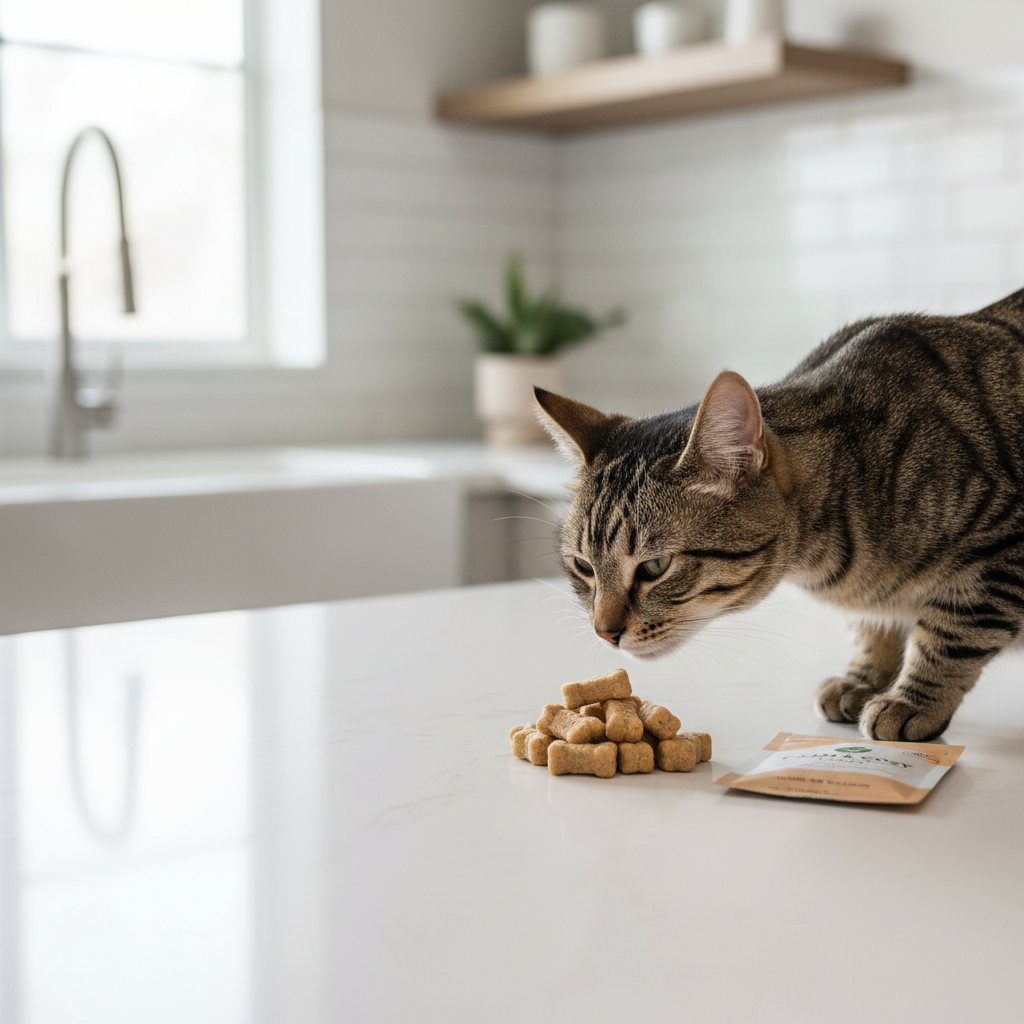
What “calming treats” actually do (and what they don’t)
Most calming treats are designed to support relaxation, not to sedate a cat into “not caring.” In many households, the best outcome looks like: your cat recovers faster after a scary noise, tolerates the carrier with fewer protests, or stops spiraling into pacing and yowling as easily.
What they usually don’t do is erase severe separation distress, trauma-level fear, or aggression rooted in pain. If a cat is lunging, urinating outside the box after a change, or refusing food, treats alone rarely solve the real issue.
According to the American Veterinary Medical Association (AVMA), sudden behavior changes can be a sign of an underlying medical problem, so it’s smart to keep health on the checklist while you troubleshoot stress.
Common triggers in U.S. homes (where treats may help most)
Calming chews tend to shine with predictable, time-limited stressors. If you can point to a “before and after,” you’re already ahead.
- Travel and carriers: vet visits, road trips, moving day
- Guests and noise: holidays, contractors, parties, fireworks
- Multi-cat tension: mild spats, resource guarding, “stare downs”
- Schedule changes: new job hours, baby in the house, roommate moving
- New environments: adopting, foster rotations, renovations
But if your cat’s stress is constant and generalized, you’ll usually need to pair treats with environmental changes, and sometimes prescription support.
Ingredients you’ll see on labels, and what to look for
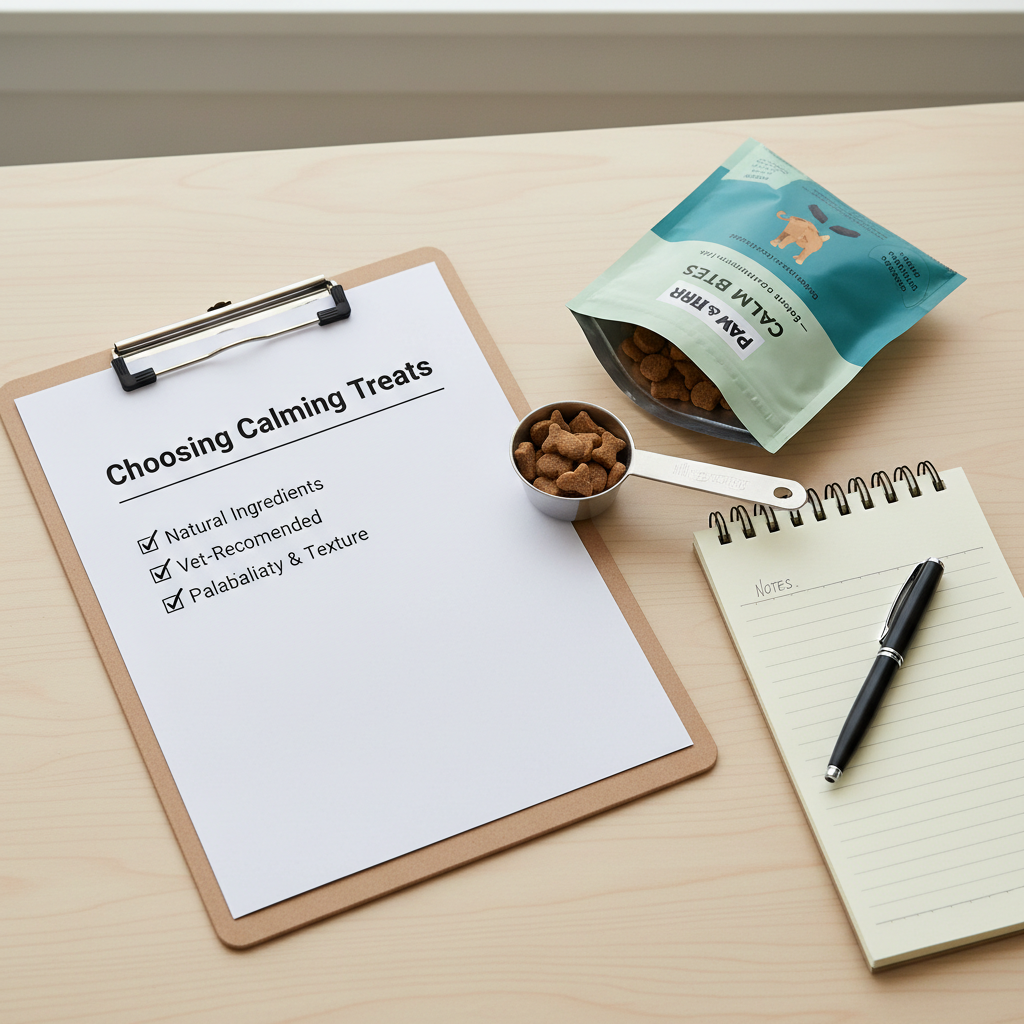
Most cat calming treats for anxiety rely on a handful of well-known supplements. The hard part is that labels can look similar while formulas and dosing vary a lot, so reading the panel matters.
Typical calming ingredients
- L-theanine: an amino acid often used for “calm focus.” Many cats tolerate it well, but effects can be subtle.
- L-tryptophan: a precursor involved in serotonin pathways, commonly positioned for mood support.
- Colostrum-derived bioactives: used in some pet calming products for stress modulation.
- Chamomile / lemon balm: botanicals that may support relaxation, though sensitivity varies.
- Thiamine (Vitamin B1): sometimes included for nervous-system support.
- CBD: increasingly marketed, but quality and regulation vary widely; it’s a “talk to your vet first” category.
A quick comparison table (practical, not perfect)
| Situation | What to prioritize | How fast you might notice change | Extra support that often helps |
|---|---|---|---|
| Vet visit / travel day | Predictable dosing, palatability | Same day (hours), if it works for your cat | Carrier training, towel scenting, pheromone spray |
| Fireworks / guests | Pre-dosing plan, quiet safe room setup | Same day to 1–2 days | White noise, hide boxes, block windows |
| New cat tension | Consistency, multi-week routine | 1–3 weeks | Resource spacing, slow reintros, play therapy |
| Ongoing anxiety | Vet guidance, rule out pain/illness | Varies; often needs a broader plan | Behavior plan, enrichment, possible meds |
According to the American Association of Feline Practitioners (AAFP), stress reduction often works best with a multi-modal approach, meaning behavior, environment, and medical considerations work together rather than relying on a single product.
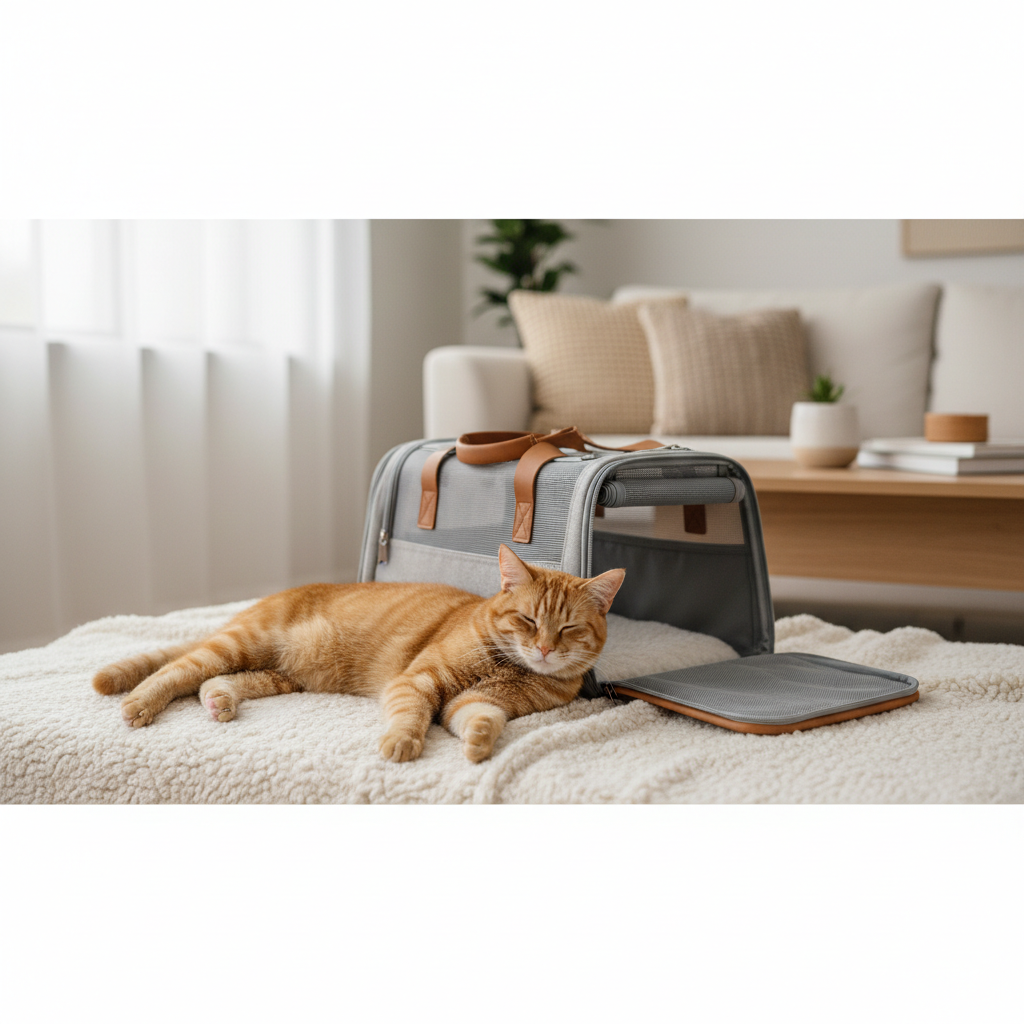
How to tell if your cat is a good candidate (self-check)
If you’re unsure whether to try treats, this quick checklist usually clarifies things. You’re looking for patterns and severity.
- Trigger is identifiable: car rides, visitors, grooming, storms
- Stress signs are mild to moderate: hiding, trembling, over-grooming, vocalizing, but still eating and using the litter box
- No red flags: no sudden weight loss, vomiting, diarrhea, coughing, limping, or intense aggression
- Cat can take treats safely: no known food allergies to common proteins, no history of pancreatitis without vet guidance
- You can run a 2–3 week trial: enough time to judge effect without constantly switching products
If your cat has chronic kidney disease, heart disease, is on other meds, or you’re considering CBD, it’s wise to check with a veterinarian first. With supplements, interactions are uncommon but not impossible, and dosing is not always straightforward.
How to use calming treats for anxiety: a realistic plan
The biggest mistake is treating calming chews like a one-time “fix.” A more reliable approach is testing timing, dose, and context, then adjusting based on what you observe.
1) Start with label directions, then go slow
Use the product’s feeding guide as the ceiling, not the starting line. For smaller or sensitive cats, many people begin with a partial dose (if the treat can be split) and watch for digestive upset or unusual sedation.
2) Time it to the trigger
For predictable events, give the treat early enough that it has time to kick in. Many products are positioned for use 30–90 minutes before a stressful event, but your cat’s response might be faster or slower.
3) Track a few specific behaviors
- Time spent hiding
- Carrier tolerance (approaches, enters, freezes)
- Vocalizing at night
- Appetite during stress
- Multi-cat interactions (staring, swatting, blocking)
Keep it simple: a note on your phone is enough. This is how you avoid the “I think it helped?” loop.
4) Pair treats with one environmental change
If you change five variables at once, you learn nothing. Pick one support move that matches the trigger, like adding a covered bed in the safe room, moving food bowls apart, or doing two minutes of wand play before guests arrive.
Mistakes that make “calming” products feel useless
When people say cat calming treats for anxiety “didn’t work,” it often traces back to one of these issues rather than the concept itself.
- Expecting sedation: calm is not the same as sleepy, and sleepiness doesn’t always equal less fear.
- Switching too quickly: trying a new product every few days makes results impossible to interpret.
- Using treats without fixing the setup: one litter box in a two-cat home, no vertical space, no safe exit routes.
- Ignoring pain: arthritis, dental disease, urinary discomfort can look like irritability or hiding.
- Over-treating: too many chews can upset stomachs and add unnecessary calories.
According to the ASPCA, behavior changes like house-soiling or aggression can be linked to stress, medical issues, or both, which is why a basic health check can save time and frustration.
When to stop DIY and talk to a professional
Some anxiety presentations look like “behavior,” but the safest next step is professional input. If any of these show up, consider calling your vet rather than pushing supplements.
- Not eating for 24 hours, or drinking much more or less than usual
- Litter box changes: straining, blood-tinged urine, repeated accidents
- Sudden aggression, especially in a cat that used to be social
- Compulsive over-grooming causing bald patches or skin irritation
- Panic-level fear: injuring themselves to escape, relentless yowling, extreme hypervigilance
A veterinarian can rule out medical contributors and, when appropriate, discuss prescription options or a referral to a board-certified veterinary behaviorist. Many cats do best with a combination of environmental management and targeted medication during high-stress periods.
Key takeaways (so you can decide fast)
- Calming treats are most useful for predictable, mild-to-moderate stress, especially travel, visitors, and noise events.
- Ingredients and dosing vary, so reading labels and trialing one product consistently matters.
- Track specific behaviors to judge whether the chew helps your cat, not just whether they seem “sleepy.”
- Pair treats with one practical environment change for better results.
- Red flags like appetite loss or litter box problems deserve veterinary input.
If you want a clean starting point, pick one reputable product, test it around a known trigger, and keep expectations grounded: you’re aiming for smoother coping, not a personality change.
FAQ
Do cat calming treats for anxiety work right away?
Sometimes, especially for situational stress like a car ride, but many cats show the clearest change after a few uses when timing and dosing are consistent. If nothing shifts after a couple weeks of careful use, it may be the wrong tool for your cat’s situation.
Can I give calming treats every day?
Many products are labeled for daily use, but “safe for daily” still depends on your cat’s health, calorie intake, and other supplements or meds. If daily use becomes the norm, it’s worth checking in with your vet to confirm you’re not masking a bigger problem.
What’s better: calming treats, pheromone diffusers, or calming collars?
It depends on the trigger. Treats are nice when you can predict stress and dose ahead of time, while pheromones can be helpful for a steady baseline in the home. In practice, a lot of owners combine them, but it’s best to add one change at a time so you can tell what helps.
Are there side effects to calming chews for cats?
The most common issues are mild digestive upset, refusal to eat the treat, or a cat seeming a bit more tired than expected. If you see vomiting, diarrhea that doesn’t resolve, or unusual behavior, stop the product and ask a veterinarian for guidance.
Is CBD safe in cat calming treats for anxiety?
CBD is a complicated category because product quality and dosing can vary, and cats may be sensitive. If you’re considering it, discussing it with a veterinarian is the safest route, especially if your cat has other health conditions or takes medications.
How do I calm my cat for a vet visit if treats don’t help?
Work backward from the appointment: carrier training at home, a towel or shirt that smells like you, and a quiet transport routine often matter as much as supplements. For cats with severe fear, vets can sometimes prescribe short-term anti-anxiety medication for travel days.
My cat is anxious after moving—how long does it last?
Many cats improve over days to weeks, but the pace varies by temperament and household activity. Calming treats can be a support, but a consistent safe room, familiar scents, and predictable routines usually do the heavy lifting.
If you’re trying to reduce stress without turning your routine upside down, a simple plan is to choose one set of cat calming treats for anxiety, test it around a single trigger, and keep notes; if you’d rather have a more guided approach, your veterinarian can help you match supplement options and environmental changes to what your cat is actually reacting to.