
Best cat food for senior cats is less about chasing a trendy brand and more about matching food to what your older cat can comfortably digest, maintain weight on, and tolerate long-term.
If you have a 10+ year-old cat, you’ve probably seen the same pattern: appetite changes, pickier eating, hairball or constipation flare-ups, and labs that suddenly make “kidney” or “thyroid” part of the conversation. Food becomes a daily lever you can actually control, but the shelf is confusing and labels are not written for normal humans.
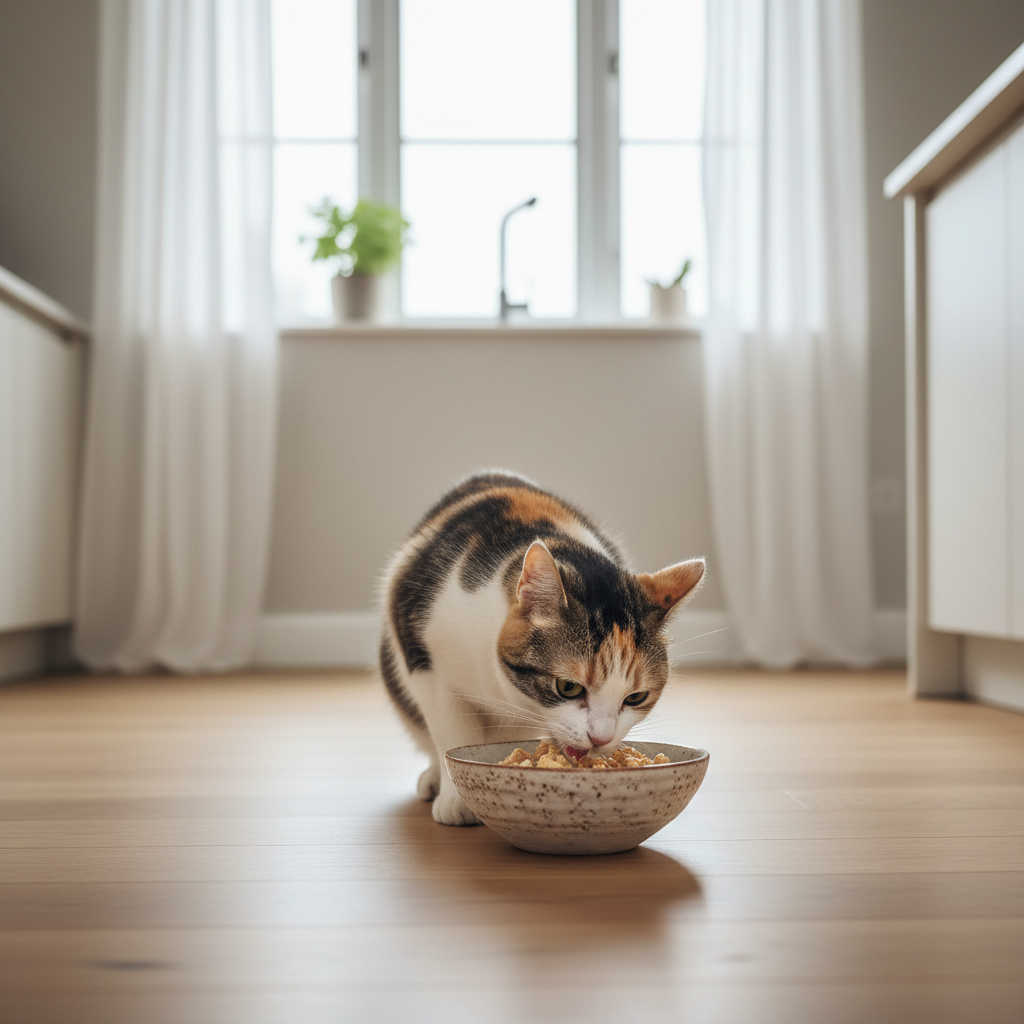
This guide focuses on what tends to matter most for older cats in the U.S., how to read the label without overthinking it, and a few “when to stop DIY” moments where a vet or veterinary nutritionist helps you avoid expensive trial-and-error.
Key takeaways:
- Moisture is often the biggest upgrade for many seniors, especially if water intake is low.
- Protein matters, but the “low protein for all seniors” idea is often oversimplified.
- Kidney, dental, GI, and weight goals each point to different formulas, there isn’t one universal winner.
- Transition speed can make a “great food” look like a bad one.
What changes in senior cats (and why food suddenly matters)
Best cat food for senior cats usually starts with understanding what’s changing inside the cat, not what’s new on the label. Aging cats can lose muscle more easily, their sense of smell may dull, and some develop chronic issues that make certain nutrients more sensitive.
Common real-world drivers behind a food change:
- Reduced thirst or reluctance to drink, which can make hydration a quiet problem.
- Weight drift, either creeping gain with less activity or weight loss from illness or poor intake.
- Digestive sensitivity, looser stools, constipation, or vomiting that shows up when diets change.
- Dental pain that makes kibble harder to chew, even when the cat still wants to eat.
- Lab findings (kidney values, thyroid, glucose) that shift what “ideal” nutrition looks like.
According to the American Association of Feline Practitioners (AAFP), senior and geriatric cats benefit from proactive health monitoring, because subtle changes can signal disease earlier than obvious symptoms. Food decisions are part of that bigger monitoring picture, not a replacement for it.
How to choose: the senior cat food criteria that actually hold up
When people search best cat food for senior cats, they often expect a top-10 list. In practice, a better approach is a short set of criteria, then narrowing by your cat’s needs and your budget. Here are the nutrition “anchors” that tend to stay useful across brands.
1) Moisture and texture
Wet, pate, shredded, stew, mousse, rehydratable freeze-dried, all can work. For many older cats, higher moisture foods support hydration and urinary comfort, and they can be easier to eat when dental issues appear.
2) Protein quality (not just protein percent)
Older cats often do better maintaining muscle when protein is adequate and digestible, but the right level can vary if kidney disease is in the mix. Look for named animal proteins (chicken, turkey, salmon) rather than vague “meat” descriptions when possible.
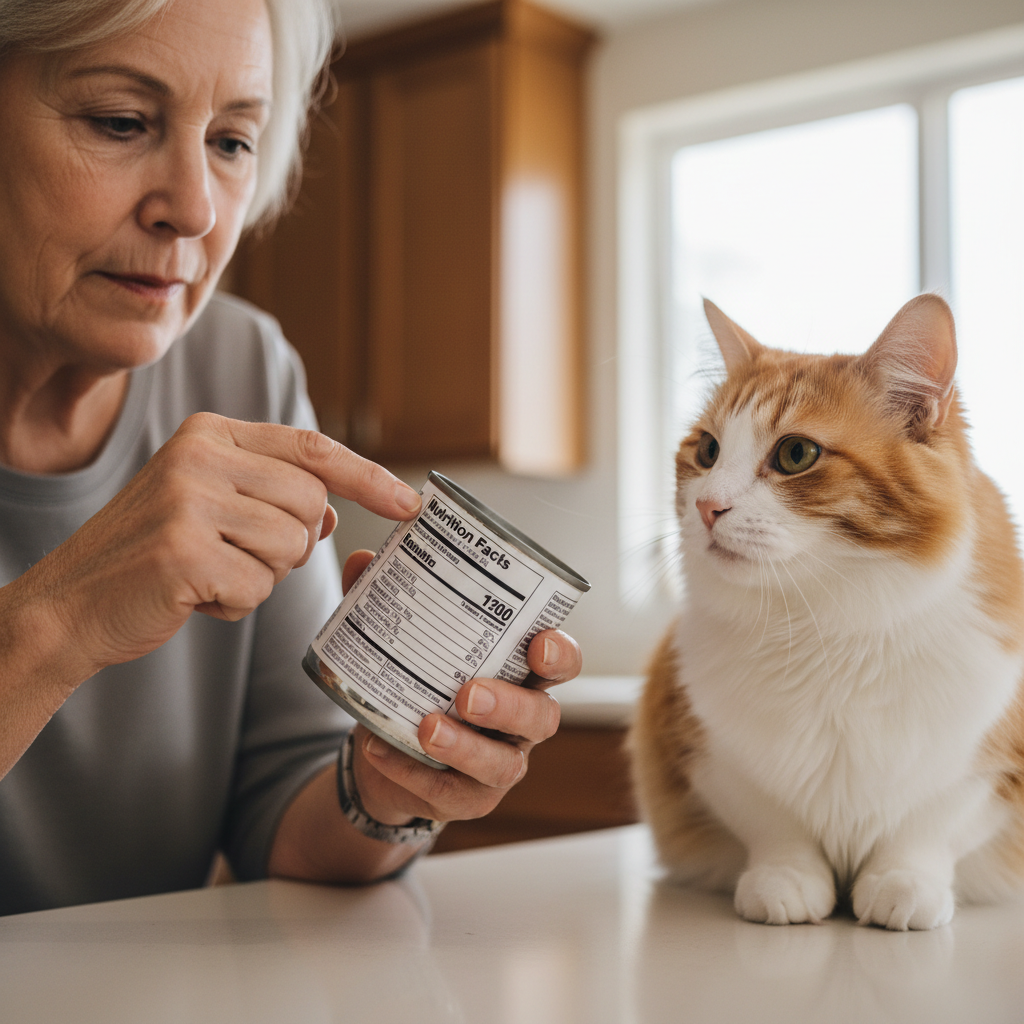
3) Calories per can or per cup
Senior cats can surprise you: some need higher calorie density because they eat less, others need lower calorie foods to prevent gain. Checking calories helps you avoid guessing, and it makes portions easier to discuss with your vet.
4) Sodium, phosphorus, and “mineral load” (especially for kidney concerns)
If your cat has confirmed chronic kidney disease, the “best” choice often becomes a veterinary therapeutic renal diet. Over-the-counter senior diets might still be fine for healthy seniors, but for diagnosed CKD, mineral targets matter and DIY selection gets risky.
5) Fiber strategy
Constipation and hairballs are common in older cats. Moderate fiber or targeted fibers can help, but too much can reduce calorie density or worsen pickiness.
Quick self-check: which “senior scenario” are you actually in?
Before you buy anything, take 2 minutes and pick the scenario that matches your cat. This is where most shopping lists go wrong, they assume all seniors need the same thing.
- Healthy senior, mild slowing down: stable weight, normal labs, normal stool.
- Pickiness and low appetite: eating less, walking away, begging but not finishing.
- Weight gain: less activity, higher body condition score, food-motivated.
- Weight loss or muscle loss: spine/hips feel sharper, coat gets dull, appetite may be up or down.
- GI issues: vomiting, diarrhea, constipation, hairballs increasing.
- Dental discomfort: chewing looks cautious, kibble dropped, preference for softer foods.
- Known diagnosis: CKD, hyperthyroidism, diabetes, IBD, urinary crystals.
If you’re in the “known diagnosis” bucket, the safest path is usually to treat food as part of a medical plan, not a lifestyle choice.
Best cat food for senior cats: practical picks by goal (not by hype)
Instead of promising one winner, use this as a shortlist of what to look for on the shelf. Best cat food for senior cats depends on the goal you’re optimizing for, and you can mix formats too.
| Goal | What to look for | Common formats | Extra notes |
|---|---|---|---|
| Hydration support | High moisture foods, broths, easy-to-lick textures | Wet cans, pouches, toppers | Good for cats who “never drink,” but watch calories from treats/toppers |
| Maintain muscle | Named animal proteins, solid calorie intake, high digestibility | Wet + calorie-dense options | Ask your vet if kidney values make protein targets tricky |
| Weight management | Lower calories, higher satiety, measured portions | Wet or dry, depending on cat | Weight loss should be gradual, sudden drops can be unsafe |
| Sensitive stomach | Limited ingredient or GI-focused formulas, consistent feeding routine | Wet or dry | Frequent switching often makes this worse |
| Constipation/hairballs | Targeted fiber blend, hydration, sometimes added oils | Wet diets, hairball formulas | If constipation is persistent, ask about underlying disease and meds |
| Kidney disease (diagnosed) | Therapeutic renal diet with controlled phosphorus and sodium | Prescription wet/dry | Do not “wing it,” this is where specific formulation matters |
Label-reading without the headache: ingredients, AAFCO, and red flags
There’s no perfect label, but you can avoid most bad fits quickly. Best cat food for senior cats should meet basic completeness, and the rest is matching to your cat’s tolerance.
What’s worth checking
- AAFCO statement: look for “complete and balanced” for adult maintenance, or all life stages if appropriate. According to AAFCO, the statement indicates the food meets nutrient profiles or has feeding trial support.
- Calorie content: listed as kcal/can, kcal/cup, or kcal/kg.
- Guaranteed analysis: it’s not the whole story, but it helps compare rough fat/fiber levels.
- Life stage wording: “senior” is marketing unless the nutrition profile matches your need.
Common “red flag” situations (context matters)
- Grain-free as a default choice: not always necessary, and it doesn’t automatically mean higher meat quality.
- Too many rapid switches: cats with GI sensitivity often spiral with constant novelty.
- Chasing supplements first: adding powders on top of a mismatched base diet rarely fixes the mismatch.
How to switch foods safely (and make it stick)
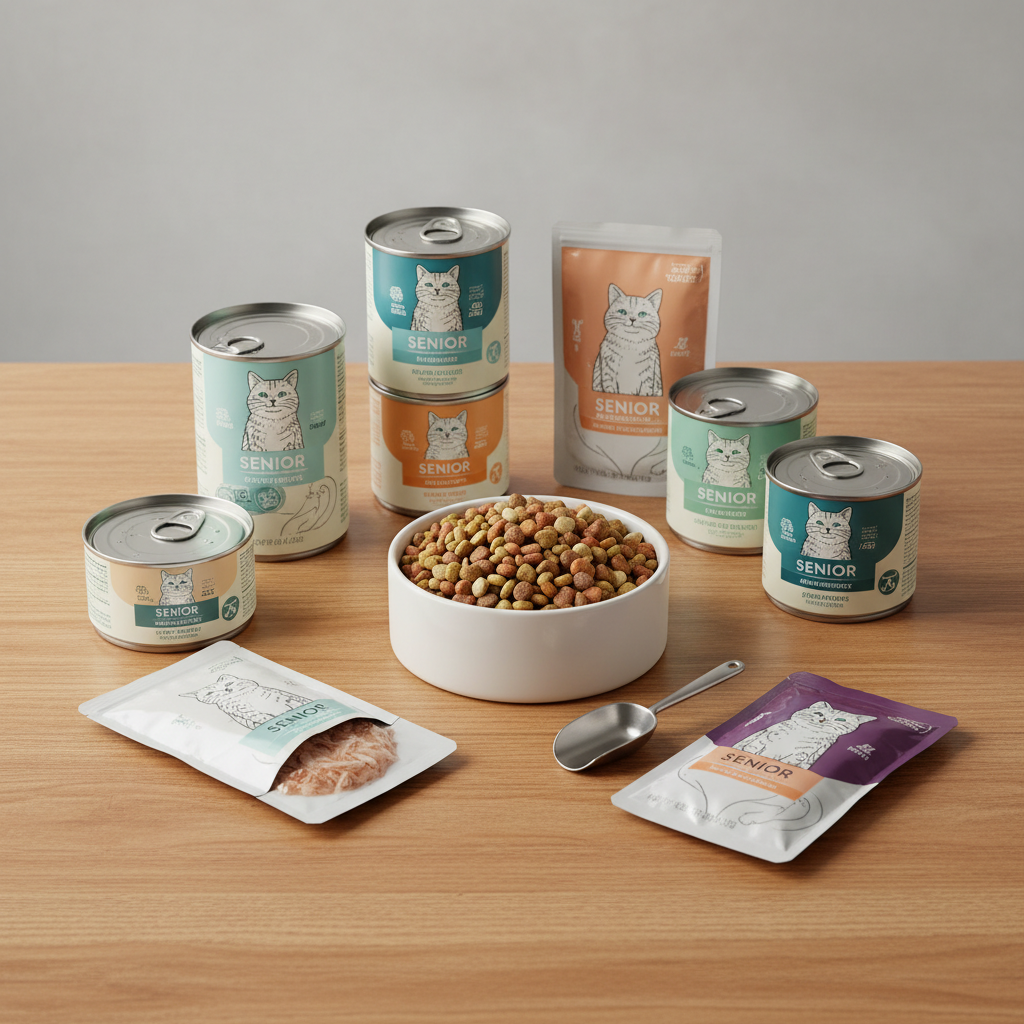
Best cat food for senior cats can still fail if the transition is rushed. Older cats often have less tolerance for abrupt changes, and nausea can create a lasting food aversion.
- Go slower than you think: many cats do better over 7–14 days, not 3–5.
- Warm wet food slightly: aroma matters for seniors, test temperature on your wrist.
- Measure portions for a week: eyeballing works until it doesn’t, especially with calorie-dense foods.
- Keep treats consistent: swapping food plus treats plus toppers makes it impossible to know what caused vomiting or loose stool.
- Track three things: appetite, stool quality, and weight trend, not just “did they eat today.”
If your cat refuses the new diet completely, don’t force a hunger strike. Cats can develop serious complications from not eating. Call your veterinarian for guidance if intake drops sharply or refusal lasts more than a day, especially in a senior.
When you should stop guessing and ask a pro
Food choices get complicated fast when medical issues sit under the surface. If any of the following is true, it’s smart to involve a veterinarian, and in some cases a board-certified veterinary nutritionist.
- Unexplained weight loss, muscle wasting, or appetite swings that don’t match routine changes
- Increased drinking/urination, vomiting, or persistent diarrhea
- Known CKD, diabetes, hyperthyroidism, or IBD
- Recurring urinary issues or crystal history
- Multiple meds that impact appetite or nausea
According to the American Veterinary Medical Association (AVMA), regular veterinary visits help catch disease earlier and support safer nutrition choices, especially as pets age. If your cat has labs, bring them to the food conversation, it changes the recommendation.
Conclusion: a simple way to pick your next bag or case
If you’re trying to land on the best cat food for senior cats, start with the scenario, then choose a moisture level your cat will reliably eat, then confirm it’s complete and balanced and fits your calorie goal. That beats a random “top-rated” list almost every time.
Your next two actions can stay simple: pick one diet that matches the goal, transition slowly, and schedule a check-in if weight, thirst, or stool quality trends the wrong way. Seniors change quickly, and that’s exactly why steady, boring consistency often wins.
FAQ
- What is the best cat food for senior cats with kidney disease?
Many cases do best with a veterinary therapeutic renal diet because phosphorus and other minerals are controlled for kidney support. Your vet can confirm whether CKD is present and which formula fits your cat’s stage and appetite. - Should senior cats eat wet food only?
Not always, but many seniors benefit from more moisture. A mix of wet and dry can work if weight, hydration, and urinary history stay stable, and your cat consistently eats enough. - Is high-protein food safe for older cats?
It depends on health status. For healthy seniors, adequate protein can help maintain muscle, but if kidney disease is diagnosed, protein targets may need adjustment under veterinary guidance. - How do I know if my senior cat food is “complete and balanced”?
Check the AAFCO nutritional adequacy statement on the label. It should say the food is complete and balanced for a life stage such as adult maintenance. - My senior cat is picky, what food changes help without constant switching?
Texture and aroma are often the biggest levers: warming wet food, trying pate versus shreds, or rotating within the same brand line can help. Avoid changing multiple things at once so you can tell what actually worked. - How fast should I transition my older cat to a new diet?
Many seniors do better with a slower transition, often 7–14 days. If vomiting or diarrhea appears, pause and talk with a veterinarian, especially if your cat also eats less. - Do senior cats need supplements like glucosamine or probiotics?
Sometimes, but it’s case-by-case. If you add supplements, introduce one at a time and confirm dosing with your vet, particularly if your cat has kidney disease or takes other medications.
If you’re currently bouncing between foods and your senior cat still feels “not quite right,” it may help to write down your cat’s main goal (hydration, weight, GI comfort, kidney support) and build a short list from there, your veterinarian can usually narrow it further with one conversation and recent weights or lab work.