
Best pet blankets washable picks come down to two things most people learn the hard way, how the fabric behaves after repeated hot washes, and whether it actually protects your couch, bed, or car seat instead of sliding off or soaking through.
If you share life with a shedder, a drooler, a senior pet, or a puppy still figuring things out, “washable” isn’t a nice-to-have, it’s the whole point. A blanket that pills, holds onto smell, or turns stiff after a month becomes clutter fast, even if it felt soft on day one.
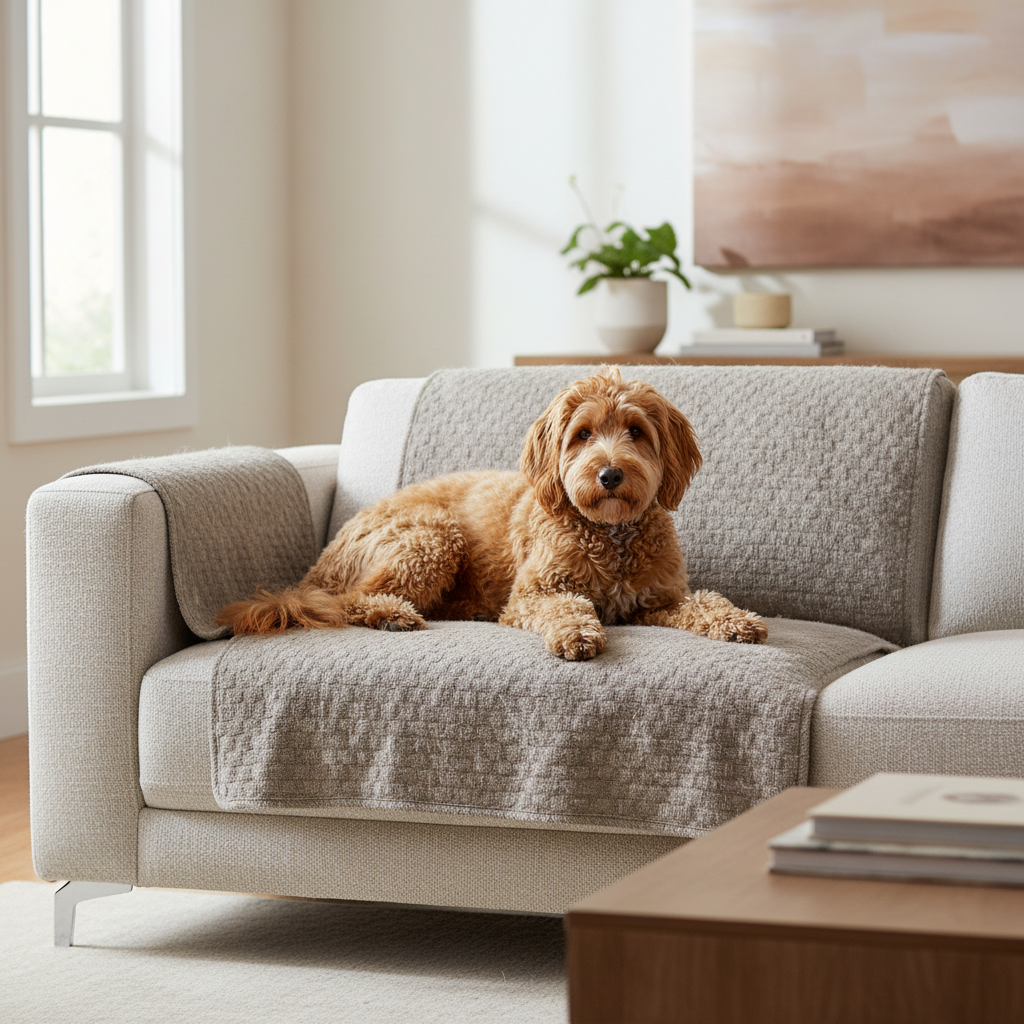
This guide focuses on what tends to matter in real homes, fabric choices that survive frequent laundering, features that prevent leaks and slipping, and a simple way to match a blanket to your pet’s habits. You’ll also find a quick comparison table and a short care routine that helps blankets stay fresher between washes.
What “washable” really means (and why some blankets still fail)
Nearly every product listing says “machine washable,” but performance varies a lot after 10–30 cycles. The usual failure points are pretty predictable.
- Shrink + warp: cotton and low-quality blends can shrink, then stop covering what you bought them for.
- Pilling and matting: fleece and sherpa can form pills, trap hair, and start feeling rough.
- Odor retention: some plush fabrics hold oils and saliva, so they smell “clean-ish” right out of the dryer.
- Delamination: waterproof layers can separate if the laminate or stitching is weak.
- Color transfer: dark dyes sometimes bleed, especially on hot washes.
According to the American Kennel Club (AKC)... keeping pet bedding clean can support a more comfortable home environment and may reduce buildup of allergens and grime. Translation, if you’re washing often, durability matters more than showroom softness.
Quick comparison table: choose your material in 60 seconds
Use this as a first filter, then fine-tune with size and features in the next section. Many households end up owning two types, one “everyday easy” blanket, and one heavy-duty waterproof option for specific situations.
| Material / Build | Best for | Watch-outs | Wash behavior |
|---|---|---|---|
| Microfiber (plain weave) | Everyday couch/bed protection, moderate shedding | Can slide on leather, may cling to hair | Dries fast, usually holds shape well |
| Fleece | Cold rooms, pets that love soft texture | Pilling, odor retention in some versions | Easy wash, avoid high heat to reduce pilling |
| Sherpa-lined | Cozy crate blanket, senior pets | Hair can embed, may matt over time | Often needs extra rinse, low heat dry helps |
| Quilted “furniture protector” | Slip-resistant coverage for couches, car seats | Bulkier, can trap hair in stitching | Durable, longer dry time |
| Waterproof (TPU layer) | Puppies, seniors, post-bath, accidents | Some feel crinkly, laminate can fail with high heat | Wash gentle, air dry or low heat recommended |
How to pick the best washable pet blanket for your home
Instead of chasing “the softest,” match the blanket to the mess you’re actually dealing with. This is where the best pet blankets washable choice becomes pretty personal.
1) Start with your “mess profile”
- Mostly hair: look for tightly woven microfiber or short-pile fleece that releases hair in the wash.
- Drool + oils: avoid very fluffy sherpa as your only blanket, consider quilted tops that rinse cleaner.
- Accidents: prioritize waterproof or water-resistant builds, and confirm the barrier is stitched, not just glued.
- Mud and outdoors: darker colors and quick-dry fabrics reduce the “always in the laundry” feeling.
2) Get sizing right (most people undersize)
If it’s for a couch, measure the seating area and add extra for tuck. If it’s for a bed, size up so it covers the spot your pet actually claims, not the spot you wish they used.
- Throw blanket for a single chair: usually enough at 50x60, but slippery fabrics may need larger.
- Sofa cover: consider “couch-length” blankets or quilted protectors that drape over arms.
- Crate use: leave enough slack so the blanket doesn’t get pulled into a corner and expose the tray.
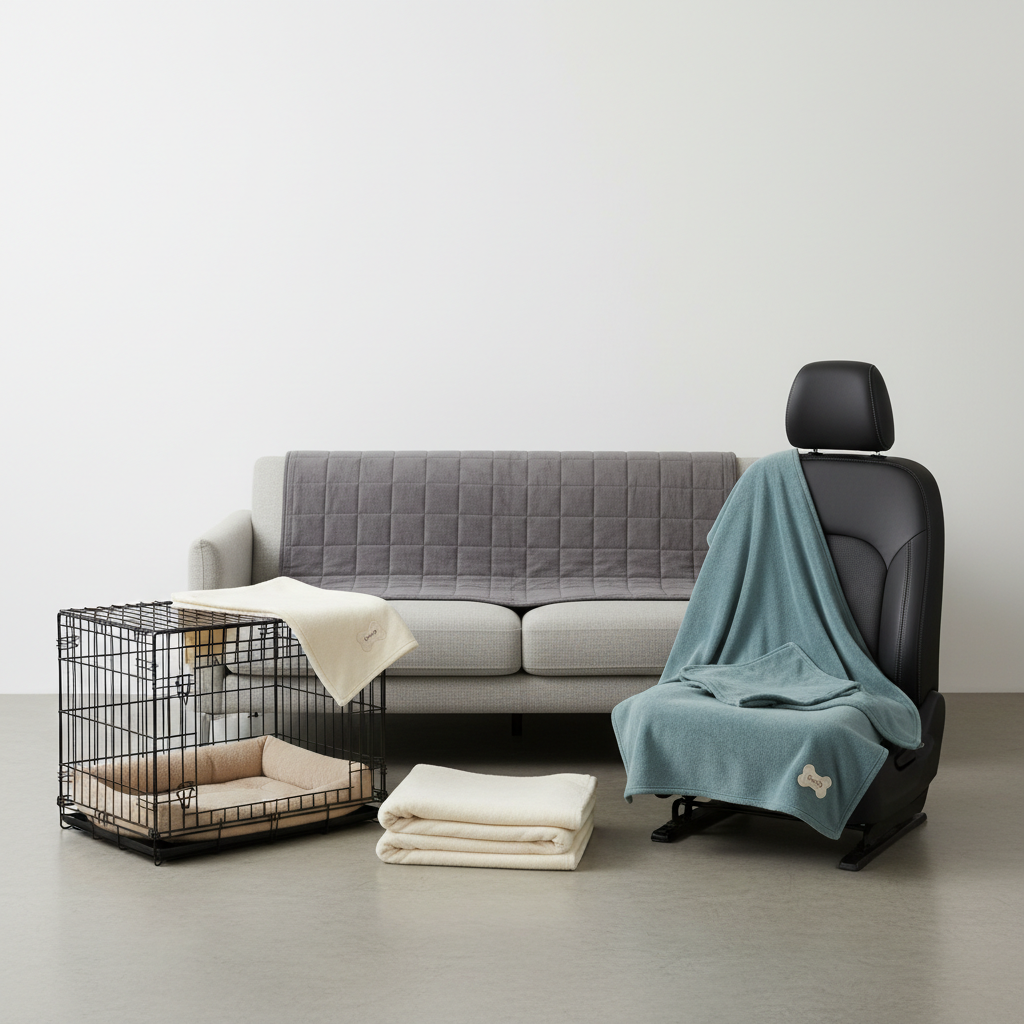
3) Decide whether you need waterproofing (and what kind)
“Water-resistant” can mean a top coating that slows moisture, while “waterproof” usually means a barrier layer. If you’re dealing with frequent accidents, a TPU barrier often makes sense, but it can run warmer and feel less plush.
- Occasional spills: a quilted protector can be enough, especially with quick wash cycles.
- Regular accidents: choose a true waterproof layer, then keep a second blanket to rotate.
4) Look for practical construction details
- Edge binding: reduces fraying and helps the blanket keep shape.
- Stitch density: tighter stitching tends to resist stretching and seam splits.
- Non-slip backing: helpful for leather couches and hardwood floors.
- Lint-friendly surface: short pile is usually easier than shaggy textures.
Self-check: which blanket type fits you best?
If you’re stuck between “cozy” and “practical,” this quick checklist usually clarifies it.
- You wash pet textiles weekly or more → prioritize shape retention, stitching, and easy-dry fabrics.
- Your washer is smaller or you air-dry often → avoid very bulky quilted builds as your only option.
- Your pet sleeps on your bed nightly → choose softer top fabrics, but keep at least one backup blanket for laundry days.
- You deal with accidents, illness, or recovery → waterproof barrier, gentle-wash instructions, and a second rotation blanket.
- You hate lint rollers → short pile or tightly woven microfiber, and skip overly fuzzy sherpa for everyday use.
And yes, you can mix: one durable “workhorse” for the living room, one plush option for snuggling, one waterproof for the car or crate.
Care routine: make washable blankets last longer (and smell less)
The best blanket still turns into a stink magnet if washing habits work against the fabric. These steps are simple, but they’re the difference between “always clean” and “never quite fresh.”
- Shake and brush first: remove loose hair before it hits the washer, a rubber pet hair brush helps.
- Cold or warm wash for most fabrics: hot water can speed up pilling and harm waterproof laminates.
- Use a mild detergent: heavy fragrances sometimes linger and may irritate sensitive pets.
- Skip fabric softener: it can reduce absorbency and leave buildup that traps odor.
- Extra rinse when odors persist: especially for drool and oily coats.
- Low heat dry or air dry: high heat is a common reason waterproof layers fail early.
According to the U.S. Environmental Protection Agency (EPA)... indoor cleaning practices can influence indoor air quality. Keeping pet textiles washable and actually washed is a practical, low-effort lever, especially if your household is sensitive to dust and dander.
Common mistakes that waste money
Most “bad blanket” complaints come from a mismatch between expectation and use. A few patterns show up again and again.
- Buying plush first, then realizing it traps hair: cozy textures feel great, but they often need more work.
- Assuming all waterproof blankets tolerate hot drying: many do not, even if the label looks confident.
- Choosing light colors for a muddy dog: you can do it, but it usually means more frequent washes.
- One blanket for everything: rotation matters, it reduces emergency laundry and wear.
When to consider more help (or a different approach)
If you’re dealing with strong recurring odors, frequent accidents, or skin irritation, a blanket choice alone may not solve the issue. It can be worth widening the lens.
- Accidents that increase suddenly: consider checking in with a veterinarian, especially for senior pets.
- Persistent “musty” smell after washing: the washer itself may need cleaning, or the blanket may be drying too slowly.
- Itching after new textiles: some pets react to fragrances or residues, switching to fragrance-free detergent may help, and a vet can advise if symptoms persist.
Key takeaways + a practical conclusion
If you want a low-regret buy, pick a fabric that matches your real mess profile, size up for coverage, and treat waterproof layers gently. That combination is what usually separates a “looks nice online” blanket from the best pet blankets washable option you keep using all year.
- Hair-heavy homes: short pile and tight weaves tend to wash cleaner.
- Accident-prone situations: true waterproof barriers matter, and low heat drying keeps them functional longer.
- Busy households: buy two blankets per main spot so you always have one ready.
If you’re shopping for 2026, focus less on hype and more on repeat-wash durability, that’s where value shows up.
FAQ
- What are the best pet blankets washable for heavy shedders?
Look for short-pile fleece or tightly woven microfiber, they usually release hair more easily during washing. Very fluffy sherpa can feel nice but often holds hair. - Can I wash pet blankets in hot water?
Sometimes, but many fabrics last longer with warm or cold cycles. Waterproof layers and plush textures often wear faster with repeated hot washes, so check the care label and consider an extra rinse instead. - Do waterproof pet blankets make pets feel hot?
They can, depending on the barrier and top fabric. If your pet already runs warm, a breathable top layer or using the waterproof blanket only where needed often works better. - How do I get rid of dog smell that stays after washing?
Try shaking hair off first, using a mild detergent, and adding an extra rinse. If the smell persists, the blanket may be drying too slowly or the washer drum may need cleaning. - Are quilted furniture protectors better than regular blankets?
For slipping and coverage, often yes, especially on couches and car seats. The trade-off is bulk and longer drying time, so they’re not always the easiest “everyday wash” option. - How many pet blankets should I own?
For most homes, two per main spot is practical, one in use, one ready. If you rely on a waterproof blanket for accidents, a backup helps a lot on laundry days.
If you’re trying to simplify the whole setup, start by choosing one everyday blanket that washes fast and one tougher option for accidents or travel, it’s usually the least frustrating way to cover real life without constantly doing emergency laundry.