
Best pet hair removers for furniture come down to one thing: matching the tool to your upholstery and the kind of fur you’re dealing with, otherwise you’ll keep “cleaning” and still see hair in the seams.
If you’ve ever vacuumed a sofa three times and the hair still looks welded to the fabric, you’re not doing anything wrong, some materials trap fur through static, texture, and friction. The good news is that the right remover usually makes the job feel almost unfairly easy.
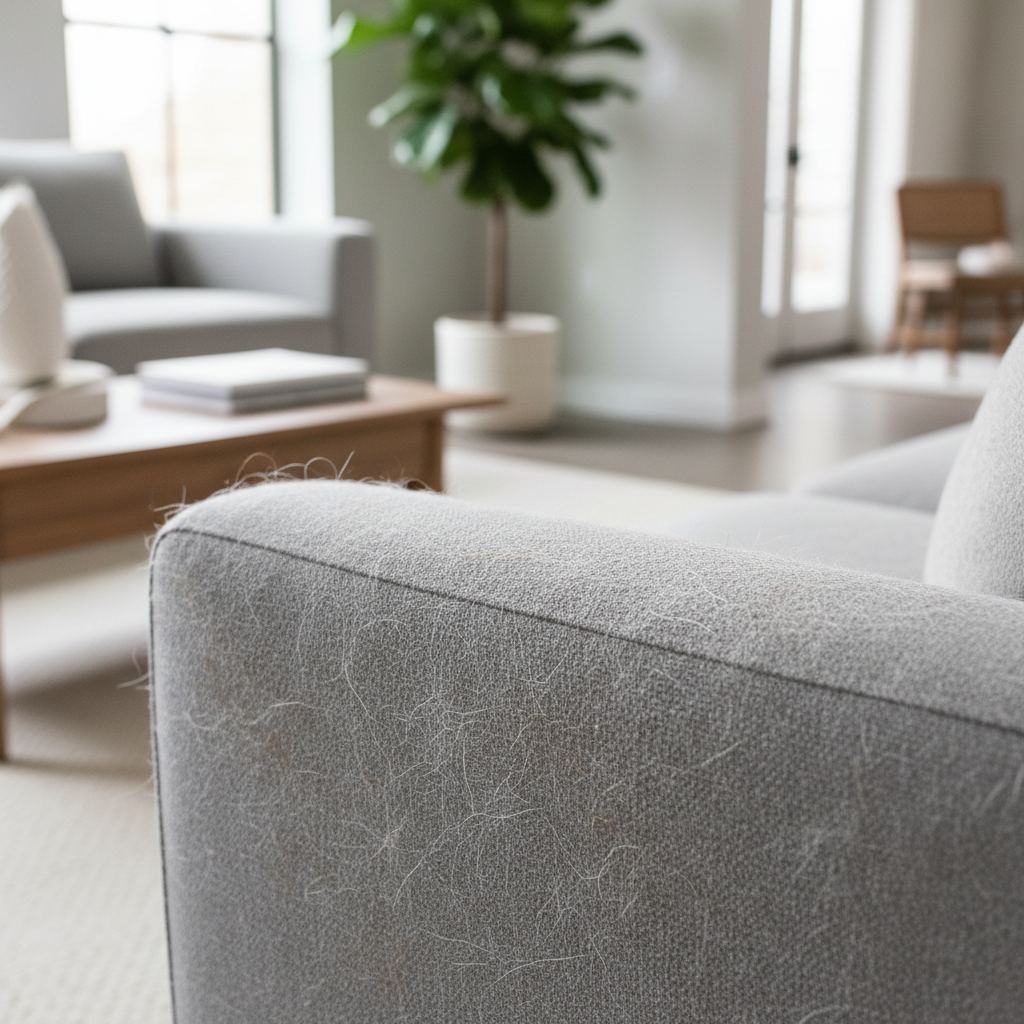
This guide focuses on what works in real homes: couches, recliners, dining chairs, car seats, and those annoying corners where hair collects. You’ll get a quick comparison table, a simple self-check, and practical steps that avoid wasting money on gadgets that don’t fit your furniture.
How pet hair “sticks” to furniture (and why some tools fail)
Hair clings for a few common reasons, and each one points to a different solution.
- Static + microfiber: Microfiber grabs fur and lint fast, and some vacuums just glide over it.
- Weave + friction: Woven couches and tweed-like fabrics trap hairs between fibers, so surface-only tools miss what’s embedded.
- Texture + pet coat type: Short, stiff hairs (think many bully breeds) behave like needles, long hair tends to “mat” and roll up.
- Seams, piping, and crevices: Even great tools struggle without a crevice strategy.
According to the American Kennel Club (AKC)... shedding patterns vary by breed and coat, so it’s normal that one remover works great for one dog and feels useless for another.
A quick comparison table: what works best on common furniture
If you want the fast answer, start here. These categories cover most “best pet hair removers for furniture” searches without pretending there’s one magic tool.
| Tool type | Best for | What to watch out for | Typical cost |
|---|---|---|---|
| Rubber broom / rubber brush | Fabric couches, rugs, car seats; loosening embedded hair | Can drag on delicate weaves; test a small area | $10–$25 |
| Velvet lint brush (reusable) | Quick surface cleanup on upholstery, pillows, lampshades | Needs correct stroke direction; less effective on deep seams | $8–$20 |
| Pet hair roller (adhesive) | Spot cleaning, guests coming over, throw blankets | Ongoing refill cost; struggles with heavy shedding days | $5–$25 |
| Upholstery vacuum (with pet tools) | Overall cleaning, allergens, cushions + crevices | Wrong head can smear hair around; filters need upkeep | $80–$300+ |
| Pet hair “stone” / pumice-style tool | Some sturdy fabrics, low-pile carpeted steps | May snag knits, wool, delicate upholstery; use cautiously | $8–$15 |
| Grooming glove (for pet, not couch) | Reducing shedding at the source | Doesn’t replace furniture cleaning | $8–$20 |
Self-check: pick the right remover in 60 seconds
Before buying anything, run this quick check. It saves you from the classic mistake: using only a vacuum on a fabric that needs friction.
- Your upholstery type: microfiber, woven fabric, leather/faux leather, velvet, performance fabric (often tighter weave).
- Hair type: short and stiff, long and wispy, undercoat “fluff,” or a mix.
- Where it collects: flat cushions, seams/piping, or under cushions and in crevices.
- Your tolerance for consumables: okay with refills (rollers) or prefer reusable tools.
- Household sensitivities: if allergies are a concern, you’ll usually want vacuum + filter maintenance, not just brushing.
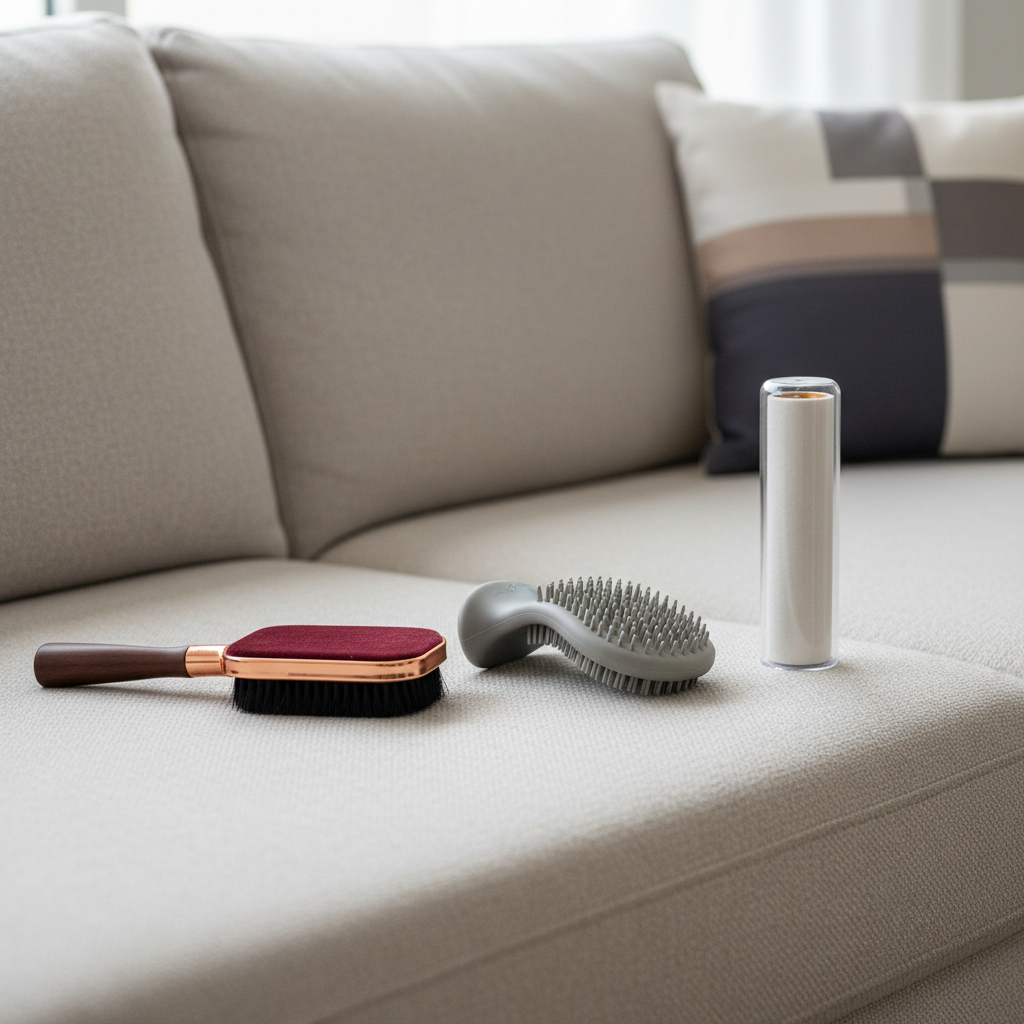
If your couch is microfiber or a textured weave and you’re fighting embedded fur, a rubber tool plus a vacuum tends to beat “vacuum only.” If it’s leather, you’re mostly wiping and collecting, not digging hair out of fibers.
The short list: best tool categories for most homes
Rather than naming a single “winner,” here are the options that most reliably earn their keep.
1) Rubber tools for embedded hair (the workhorse)
Rubber brushes and rubber brooms create grip and static that pull hair up where you can gather it. On many fabric couches, this is the missing step that makes the vacuum finally work.
- Great for: woven upholstery, car seats, stairs.
- Use it like this: short strokes, one direction, then collect hair into a pile.
2) Reusable lint brush for daily touch-ups
A velvet-style lint brush is the fast, quiet option for “I just need the sofa to look decent.” It’s not deep-cleaning, but it’s reliable for surface hair.
- Great for: cushions, throws, pet beds, clothing in a pinch.
- Tip: follow the nap direction, you’ll feel which way grabs more.
3) Adhesive roller for spot cleaning and corners
Rollers are simple and effective for quick passes, especially on smooth fabrics or when you don’t want to pull out a vacuum. They’re less fun when you have a heavy shedder and burn through sheets.
- Great for: arms of couches, dining chairs, last-minute cleanup.
- Watch: some sticky sheets leave residue on certain delicate fabrics, test first.
4) Vacuum with the right attachments (for “clean,” not just “hair-free”)
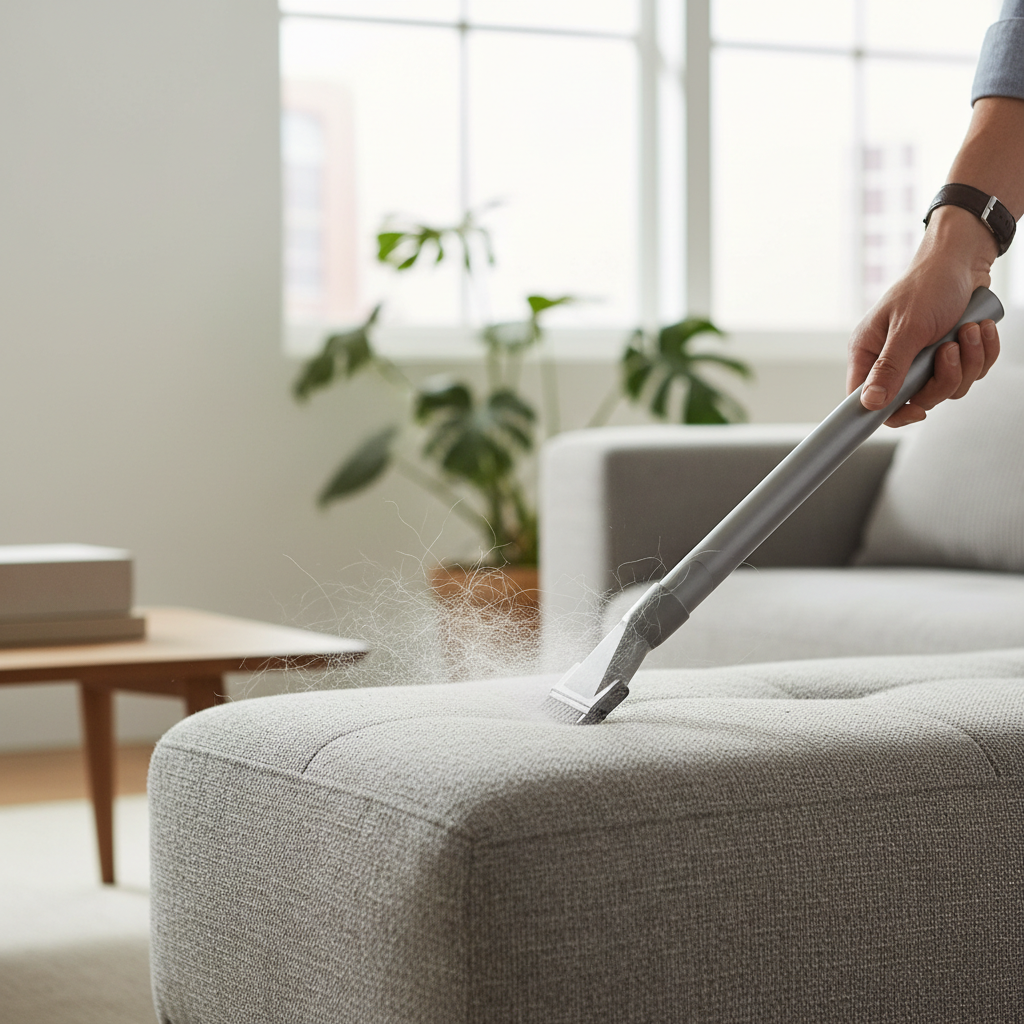
If you care about dust and dander along with fur, a vacuum matters. The key is the attachment: an upholstery tool with a strip that helps lift hair, plus a crevice tool for seams.
According to the U.S. Environmental Protection Agency (EPA)... indoor air quality can be affected by particulate matter, so keeping soft surfaces clean can be part of an overall strategy if allergies bother your household.
Step-by-step: a furniture-safe routine that actually removes fur
This is the routine many people end up with after trying random hacks. It’s not fancy, it’s just ordered correctly.
For fabric couches and chairs
- Dry lift first: use a rubber brush or reusable lint brush to pull hair up and into clumps.
- Vacuum second: upholstery head for surfaces, crevice tool for seams and under cushions.
- Finish pass: a quick lint brush pass catches what the vacuum misses on the top layer.
If the fabric pills or fuzzes easily, lighten pressure and avoid aggressive “stone” tools, they can roughen the surface.
For microfiber
- Use a rubber tool with gentle strokes, microfiber can hold hair like Velcro.
- Vacuum with an upholstery tool, then do one last rubber pass for the stubborn bits.
For leather and faux leather
- Skip friction tools that can scuff, start with a slightly damp microfiber cloth to gather hair.
- Use a vacuum brush attachment for seams, keep suction moderate.
Mistakes that waste time (and sometimes damage upholstery)
- Relying on suction alone: many fabrics need lift first, otherwise hair stays embedded.
- Using pumice/stone tools on delicate upholstery: they can snag loops or fuzz up the nap, especially on knits, wool blends, or velvet.
- Spraying fabric softener DIY mixes: residue can attract more dirt or affect stain-resistant finishes; check the manufacturer’s cleaning code if you have it.
- Ignoring seams: hair in piping makes a couch look dirty even when the cushions look fine.
If your furniture has a care tag with a code (often W, S, SW, X), follow it. When in doubt, spot test in a hidden area, this sounds boring, but it prevents expensive regret.
When it’s worth upgrading (or asking for help)
Sometimes the “best pet hair removers for furniture” isn’t another hand tool, it’s changing the system.
- If allergies or asthma are in the mix: consider a vacuum with good filtration and consistent maintenance, and talk to a medical professional for personalized guidance.
- If hair returns daily: more frequent brushing of your pet and washable throws can reduce the load on furniture.
- If upholstery is delicate or pricey: a professional upholstery cleaner may be the safer route, especially for vintage fabrics or unknown blends.
According to the Institute of Inspection Cleaning and Restoration Certification (IICRC)... textile cleaning methods should be chosen based on fiber type and construction, so “one method for every couch” can be risky.
Key takeaways and what to do next
- Match tool to fabric: rubber tools for embedded fur, lint brushes for quick surface cleanup, vacuums for deep cleaning and crevices.
- Order matters: lift hair first, vacuum second, detail seams last.
- Be cautious with abrasive tools: test small areas, especially on delicate upholstery.
If you want one practical next step, pick a reusable rubber brush for fabric furniture and pair it with a vacuum crevice pass once a week, then keep a lint brush nearby for daily touch-ups.
FAQ
- What is the best pet hair remover for furniture for heavy shedders?
Many households do best with a rubber brush to lift embedded fur, then a vacuum to remove it from seams and cushion gaps, rollers alone can get expensive and slow. - Do reusable lint brushes really work on couches?
They work well for surface hair and quick cleanups, but on textured weaves they usually need help from a rubber tool or vacuum for the deeper hairs. - Is a pumice stone safe on upholstery?
Sometimes on sturdy, tightly woven fabrics, but it can snag or rough up delicate materials, spot testing in a hidden area is the safer move. - How do I get pet hair out of couch seams and piping?
Use a crevice tool with steady suction, then follow with a lint brush or a slightly damp cloth to catch the last bits, seams are where hair likes to hide. - What works best on microfiber furniture?
Microfiber often responds well to rubber tools because they create grip, then vacuum with an upholstery attachment to remove what you lifted. - Can I use dryer sheets to remove pet hair from furniture?
Some people like them for reducing static, but residue can be a concern on certain fabrics, try a small hidden spot and avoid if your upholstery has special finishes. - How often should I remove pet hair from furniture?
For most homes, a light touch-up a few times a week plus a deeper session weekly keeps hair from embedding, but shedding season may require more.
If you’re trying to keep a home looking presentable between deeper cleans, a simple two-tool setup often feels more realistic than chasing a single miracle product: one reusable brush for lift, one vacuum attachment plan for seams and corners.